
Rbc
Rbc, commonly known as red blood cells, are essential components of blood, playing a critical role in transporting oxygen throughout the body. Understanding their function and normal levels is crucial for assessing overall health and identifying potential medical conditions.
Key Takeaways
- Red Blood Cells (RBCs) are vital for delivering oxygen from the lungs to the body’s tissues and organs.
- Their primary function is facilitated by hemoglobin, a protein that binds to oxygen.
- Normal RBC count levels vary significantly based on age, sex, and individual health status.
- Low RBC counts can lead to various symptoms, including fatigue, shortness of breath, and dizziness, due to insufficient oxygen delivery.
- Monitoring RBC levels is a standard part of comprehensive blood tests to diagnose conditions like anemia.
What is an RBC (Red Blood Cell)?
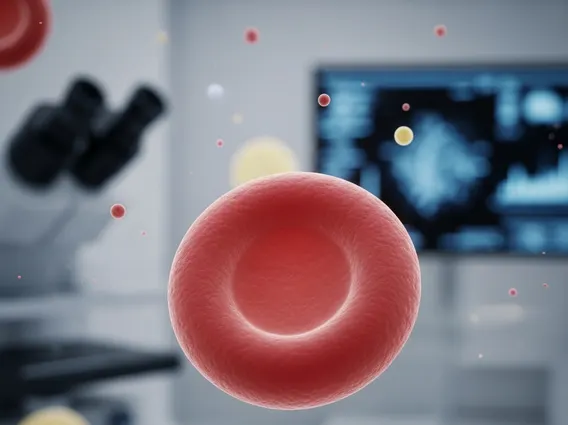
Red Blood Cells (RBCs), also known as erythrocytes, are the most abundant type of blood cell in the human body. These specialized cells are produced in the bone marrow and have a unique biconcave disc shape, which maximizes their surface area for gas exchange and allows them to navigate through narrow blood vessels. The defining characteristic of RBCs is their rich content of hemoglobin, an iron-rich protein that gives blood its red color and is responsible for binding to oxygen.
The primary role of what are red blood cells is to transport oxygen from the lungs to every tissue and organ in the body. As blood circulates, hemoglobin in the RBCs picks up oxygen in the lungs, carries it through the bloodstream, and releases it where it’s needed for cellular respiration. Concurrently, RBCs also play a role in transporting carbon dioxide, a waste product, from the tissues back to the lungs to be exhaled.
Red Blood Cell Function and Normal RBC Count Levels
The fundamental red blood cell function in body is the efficient transport of respiratory gases. Hemoglobin within the RBCs binds reversibly to oxygen, forming oxyhemoglobin, which is then delivered to cells throughout the body. This oxygen is vital for metabolic processes that generate energy. After delivering oxygen, hemoglobin picks up carbon dioxide from the tissues, forming carbaminohemoglobin, and carries it back to the lungs for exhalation, completing the gas exchange cycle.
Maintaining healthy normal RBC count levels is crucial for ensuring adequate oxygen delivery. These levels can vary based on several factors, including age, sex, altitude, and hydration status. A complete blood count (CBC) test measures the number of RBCs in a microliter (mcL) of blood. Deviations from these ranges can indicate underlying health issues.
Below are general reference ranges for RBC count levels:
| Category | Normal RBC Count Range (million cells/mcL) |
|---|---|
| Adult Males | 4.7 to 6.1 |
| Adult Females | 4.2 to 5.4 |
| Children (varies by age) | 4.0 to 5.5 |
(Source: Mayo Clinic, general reference ranges. Individual results may vary and should be interpreted by a healthcare professional.)
Symptoms of Low Red Blood Cells
When the body does not produce enough RBCs or loses them excessively, it results in a condition known as anemia, leading to a reduction in oxygen-carrying capacity. The symptoms of low red blood cells arise directly from the body’s tissues not receiving sufficient oxygen. These symptoms can range from mild to severe, depending on the degree and duration of the deficiency.
Common indicators of low RBC counts include:
- Fatigue and Weakness: This is often the most prominent symptom, as cells lack the oxygen needed for energy production.
- Shortness of Breath: Even with minimal exertion, the body struggles to get enough oxygen.
- Dizziness or Lightheadedness: Reduced oxygen supply to the brain can cause these sensations.
- Pale Skin, Gums, or Nail Beds: The lack of hemoglobin, which gives blood its red color, can make the skin appear paler.
- Cold Hands and Feet: Poor circulation and oxygen delivery can lead to extremities feeling cold.
- Headaches: Insufficient oxygen to the brain can trigger headaches.
- Irregular Heartbeat: The heart may work harder to pump oxygen-poor blood, leading to palpitations.
If you experience any of these symptoms persistently, it is important to consult a healthcare provider for diagnosis and appropriate treatment. Identifying the underlying cause of low RBCs is crucial for effective management.



















