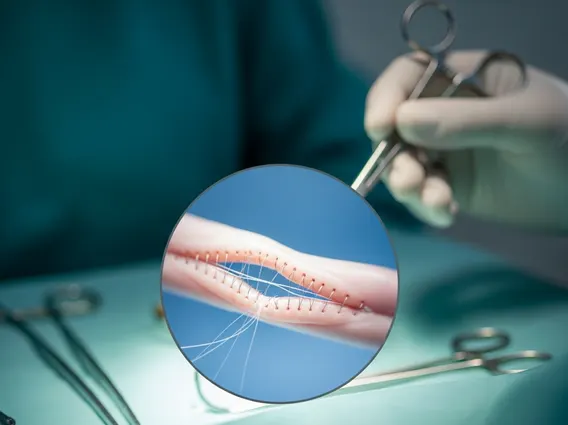
Prophylactic Surgery
Prophylactic surgery is a medical procedure performed to prevent the onset of a disease or condition, or to significantly reduce the risk of its development, particularly in individuals identified as high-risk. It is a critical option in managing certain genetic predispositions and pre-malignant conditions.

Key Takeaways
- Prophylactic surgery aims to prevent disease or reduce risk before symptoms appear.
- It is typically considered for individuals with a high genetic predisposition or significant risk factors.
- Common procedures include prophylactic mastectomy, oophorectomy, and colectomy.
- Benefits include substantial risk reduction and potential peace of mind.
- Risks involve surgical complications, psychological impact, and the potential for unnecessary intervention.
What is Prophylactic Surgery?
Prophylactic Surgery refers to surgical intervention undertaken to prevent the development of a disease in individuals who are at a significantly elevated risk. The primary prophylactic surgery definition and purpose is to remove tissue or organs that are highly susceptible to developing a specific condition, most commonly cancer, before any malignant cells appear. This approach is distinct from therapeutic surgery, which treats an existing disease.
This type of surgery is often considered for individuals with strong genetic predispositions, such as those carrying BRCA1 or BRCA2 mutations, which significantly increase the lifetime risk of breast and ovarian cancers. For instance, prophylactic bilateral mastectomy can reduce the risk of breast cancer by 90-95% in women with BRCA1/2 mutations, according to the National Cancer Institute. It is a proactive measure aimed at averting future illness and can offer considerable peace of mind to patients living with high-risk factors.
Types of Prophylactic Surgical Procedures
There are several types of prophylactic surgical procedures, each tailored to specific risk factors and potential diseases. These procedures are typically chosen after careful consideration of a patient’s genetic profile, family history, and other clinical indicators. The goal is always to remove the at-risk tissue while minimizing impact on the patient’s quality of life.
- Prophylactic Mastectomy: Removal of one or both breasts to prevent breast cancer, often performed in individuals with BRCA1/2 mutations or a strong family history.
- Prophylactic Oophorectomy: Surgical removal of the ovaries, often including the fallopian tubes (salpingo-oophorectomy), to reduce the risk of ovarian and sometimes breast cancer, particularly in those with BRCA mutations.
- Prophylactic Colectomy: Removal of part or all of the colon to prevent colorectal cancer, commonly recommended for individuals with hereditary conditions like Familial Adenomatous Polyposis (FAP).
- Prophylactic Thyroidectomy: Removal of the thyroid gland to prevent thyroid cancer, especially in cases of inherited medullary thyroid carcinoma (e.g., MEN2 syndrome).
These procedures are complex decisions made in consultation with a multidisciplinary medical team, including genetic counselors, surgeons, and oncologists, to ensure the most appropriate course of action for each patient.
Benefits and Risks of Prophylactic Surgery
Considering prophylactic surgery benefits and risks is crucial for individuals contemplating this significant medical decision. The primary benefit is a substantial reduction in the risk of developing a specific disease, often a life-threatening one like cancer. This can lead to significant psychological relief and improved quality of life, freeing individuals from the constant anxiety of potential illness.
However, like all surgical interventions, prophylactic surgery carries inherent risks. These can include general surgical complications such as infection, bleeding, adverse reactions to anesthesia, and pain. Beyond these, there are specific risks related to the removal of organs, such as hormonal changes (e.g., early menopause after oophorectomy), changes in body image, and potential psychological distress. Patients must weigh the potential benefits of disease prevention against these possible complications and the impact on their physical and emotional well-being. A thorough discussion with healthcare providers about these factors is essential for informed decision-making.