Phytoestrogen
Phytoestrogens are naturally occurring plant compounds that can mimic the action of estrogen in the human body. These compounds are found in a wide variety of plant-based foods and have garnered significant attention for their potential health implications.
Key Takeaways
- Phytoestrogen refers to plant-derived compounds that can interact with estrogen receptors in the body.
- Common types include isoflavones, lignans, and coumestans, found in foods like soy, flaxseeds, and legumes.
- Potential benefits include alleviating menopausal symptoms and supporting bone health, though research is ongoing.
- Potential risks involve possible hormone disruption and interactions, especially with high intake or certain health conditions.
- The phytoestrogen effects on human body are complex and depend on various factors, including individual metabolism and gut microbiome.
What is Phytoestrogen?
Phytoestrogen is a term for plant-derived compounds that are structurally and functionally similar to estradiol, the primary estrogen in humans. These compounds are not hormones themselves but can bind to estrogen receptors (ERs) throughout the body, initiating either estrogenic or anti-estrogenic effects depending on the tissue, the specific phytoestrogen, and the body’s hormonal status. This interaction is central to understanding the phytoestrogen effects on human body, as they can influence various physiological processes.
The primary types of phytoestrogens include isoflavones, lignans, and coumestans. Each class is found in different plant sources and possesses distinct chemical structures, leading to varying affinities for estrogen receptors alpha (ERα) and beta (ERβ). For instance, isoflavones generally show a stronger affinity for ERβ, which is abundant in bone, brain, and vascular tissues, potentially explaining some of their observed health benefits.
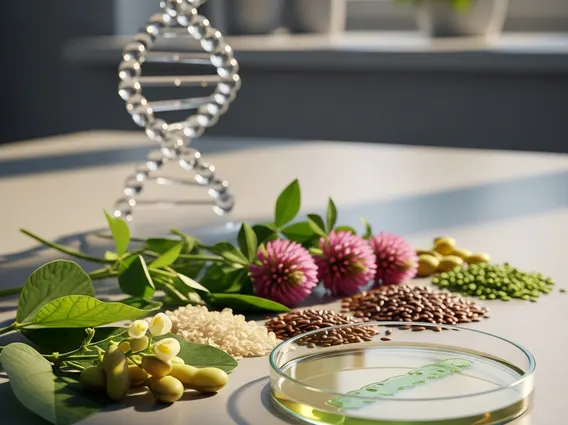
- Isoflavones: Primarily found in legumes, especially soybeans and soy products (e.g., tofu, tempeh). Genistein and daidzein are the most well-known isoflavones.
- Lignans: Abundant in flaxseeds, sesame seeds, whole grains, and some fruits and vegetables. They are metabolized by gut bacteria into active compounds like enterolactone and enterodiol.
- Coumestans: Found in smaller amounts in sprouts (alfalfa, clover) and some legumes. Coumestrol is a prominent example.
Phytoestrogen Benefits and Potential Risks
The study of phytoestrogen benefits and risks is an active area of research, with findings suggesting both positive and potentially negative impacts on human health. Many of the purported benefits are linked to their estrogen-like activity, particularly in conditions associated with estrogen deficiency or imbalance.
Potential benefits of phytoestrogen consumption include the alleviation of menopausal symptoms, such as hot flashes and night sweats. Some studies suggest that regular intake may contribute to improved bone mineral density, potentially reducing the risk of osteoporosis, particularly in postmenopausal women. Furthermore, research indicates a possible role in cardiovascular health by influencing lipid profiles and arterial elasticity. Certain phytoestrogens have also been investigated for their potential chemopreventive properties against hormone-sensitive cancers, though evidence remains mixed and requires further investigation. For example, a meta-analysis published in the Journal of Clinical Oncology (2014) indicated that soy isoflavone intake might be associated with a reduced risk of breast cancer recurrence in some populations.
However, potential risks and concerns also exist. High intake of phytoestrogens, especially from supplements, could theoretically interfere with hormone therapies or have adverse effects in individuals with hormone-sensitive conditions. There are ongoing debates regarding their impact on reproductive health, thyroid function, and potential interactions with medications. The effects can also vary significantly among individuals due to genetic differences, gut microbiome composition, and overall dietary patterns. It is crucial to note that the effects of phytoestrogens from whole foods are generally considered safer and less potent than those from concentrated supplements.
Foods Rich in Phytoestrogens
Many common dietary staples are excellent sources of foods high in phytoestrogens, making them a regular part of many diets worldwide. Incorporating these foods into a balanced diet is a natural way to consume these compounds, often alongside other beneficial nutrients like fiber, vitamins, and minerals.
The concentration and type of phytoestrogens vary widely across different plant foods. Soybeans and flaxseeds are particularly renowned for their high content of isoflavones and lignans, respectively. Other legumes, whole grains, and certain fruits and vegetables also contribute to dietary phytoestrogen intake.
| Food Category | Examples | Primary Phytoestrogen Type |
|---|---|---|
| Legumes | Soybeans, tofu, tempeh, miso, lentils, chickpeas | Isoflavones |
| Seeds | Flaxseeds, sesame seeds, sunflower seeds | Lignans |
| Whole Grains | Oats, barley, rye, wheat | Lignans |
| Fruits | Berries (strawberries, raspberries), apples, pears, grapes | Lignans, some coumestans |
| Vegetables | Broccoli, carrots, spinach, sprouts (alfalfa, clover) | Lignans, coumestans |
The bioavailability and efficacy of phytoestrogens from these foods can be influenced by factors such as food processing, cooking methods, and individual gut microbiota, which play a critical role in metabolizing these compounds into their active forms. While dietary intake is generally considered safe, individuals with specific health concerns or those considering high-dose supplementation should consult a healthcare professional.