Phytochemical
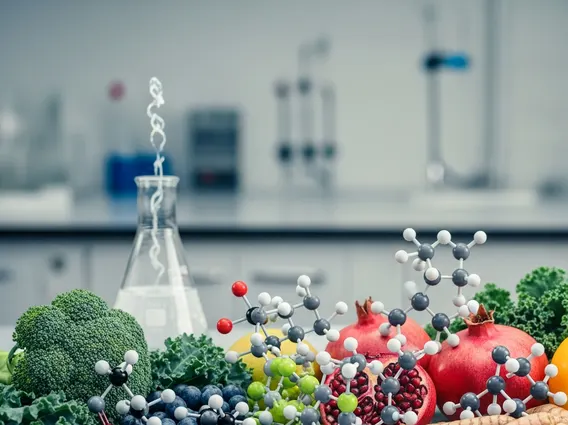
Phytochemicals are naturally occurring compounds found in plants that contribute to their color, flavor, and aroma. Beyond their role in plant biology, these bioactive compounds have garnered significant attention for their potential health-promoting properties in humans.
Key Takeaways
- Phytochemicals are plant-derived compounds with potential health benefits beyond basic nutrition.
- They are categorized into various groups like carotenoids, flavonoids, and glucosinolates, each with distinct functions.
- These compounds are associated with antioxidant, anti-inflammatory, and immune-modulating effects.
- A diverse diet rich in fruits, vegetables, whole grains, and legumes is the primary source of phytochemicals.
- While beneficial, phytochemicals are not a substitute for medical treatment and should be consumed as part of a balanced diet.
What is a Phytochemical?
A Phytochemical refers to a diverse group of bioactive compounds produced by plants. These compounds are not essential for human survival in the same way vitamins and minerals are, but they play a crucial role in plant defense mechanisms, pigmentation, and growth. When consumed by humans, phytochemicals can exert various physiological effects, contributing to overall health and well-being. Research suggests that a diet rich in these plant compounds may help reduce the risk of chronic diseases.
Types, Functions, and Health Benefits of Phytochemicals
The vast array of phytochemicals can be broadly categorized into several groups, each with unique types of phytochemicals and functions. These compounds often work synergistically, meaning their combined effects are greater than the sum of their individual actions. The phytochemical benefits for health are extensive and continue to be an active area of scientific investigation.
- Carotenoids: These pigments give fruits and vegetables their yellow, orange, and red colors. Examples include beta-carotene (found in carrots) and lycopene (in tomatoes). They act as powerful antioxidants, protecting cells from damage, and some can be converted into Vitamin A in the body.
- Flavonoids: A large group found in berries, apples, citrus, and tea. Quercetin and catechin are well-known flavonoids. They are recognized for their anti-inflammatory and antioxidant properties, which may support cardiovascular health and immune function.
- Glucosinolates: Predominantly found in cruciferous vegetables like broccoli, cabbage, and kale. When these vegetables are chopped or chewed, glucosinolates are converted into isothiocyanates, compounds studied for their potential role in supporting detoxification pathways.
- Phenolic Acids: Present in coffee, tea, fruits, and whole grains. Caffeic acid and ferulic acid are examples. They possess antioxidant properties and may help reduce oxidative stress.
- Phytoestrogens: Found in soy products, flaxseeds, and whole grains. Isoflavones (from soy) and lignans (from flaxseed) are examples. These compounds can mimic estrogen in the body, potentially influencing hormone-related health.
These compounds contribute to various protective effects, including neutralizing free radicals, reducing inflammation, and modulating immune responses.
Dietary Sources of Phytochemicals
The most effective way to obtain phytochemicals is through a varied and balanced diet rich in plant-based foods. There are no recommended daily allowances for phytochemicals, as their benefits are often derived from the complex interplay of hundreds of different compounds found in whole foods. Focusing on a diverse intake of fruits, vegetables, legumes, and whole grains ensures a broad spectrum of these beneficial compounds. Here are some excellent sources of phytochemicals in food:
| Phytochemical Group | Common Food Sources | Potential Health Association |
|---|---|---|
| Carotenoids | Carrots, tomatoes, sweet potatoes, spinach, kale | Antioxidant, vision health |
| Flavonoids | Berries, apples, citrus fruits, onions, tea, dark chocolate | Anti-inflammatory, cardiovascular health |
| Glucosinolates | Broccoli, cabbage, kale, Brussels sprouts | Detoxification support |
| Phenolic Acids | Coffee, tea, whole grains, berries | Antioxidant, anti-inflammatory |
| Phytoestrogens | Soybeans, flaxseeds, sesame seeds, whole grains | Hormonal balance support |
Incorporating a wide range of colorful fruits and vegetables into daily meals is key. For instance, the World Health Organization (WHO) recommends consuming at least five portions (400g) of fruits and vegetables per day to help prevent chronic diseases and nutritional deficiencies, which inherently increases phytochemical intake. While supplements containing isolated phytochemicals are available, consuming them through whole foods is generally preferred, as the synergistic effects of compounds in their natural matrix are believed to offer greater benefits.