
Essential Oil
Essential Oil refers to concentrated plant extracts that retain the natural smell and flavor, or “essence,” of their source. These complex mixtures of volatile compounds are increasingly being explored for their potential therapeutic applications in various health and wellness contexts.
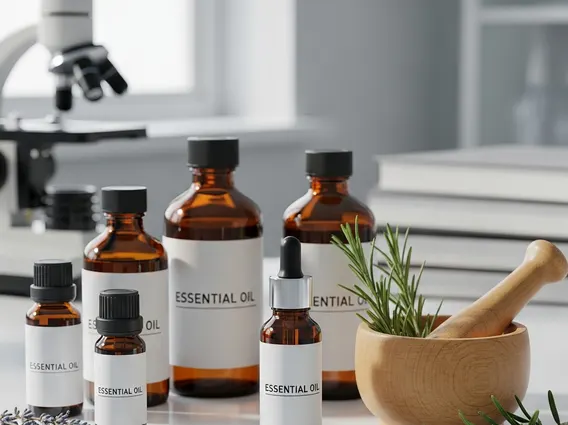
Key Takeaways
- Essential Oils are concentrated plant extracts with unique chemical profiles, under investigation for their therapeutic potential.
- Safe use involves proper dilution, patch testing, understanding application methods, and consulting healthcare professionals.
- Various types of Essential Oils offer a range of potential benefits, from promoting relaxation to supporting skin health.
- Always prioritize quality, purity, and scientific evidence when considering the use of Essential Oils.
- Essential Oils should be considered complementary and never replace conventional medical treatments.
What is Essential Oil?
Essential Oil is a highly concentrated liquid containing volatile chemical compounds extracted from plants. These compounds are responsible for the plant’s characteristic aroma and possess a variety of biochemical properties. Unlike fatty oils, Essential Oils evaporate readily and do not leave an oily residue. They are typically extracted through distillation (steam or water) or mechanical methods like cold pressing. The composition of an Essential Oil can be incredibly complex, containing hundreds of different organic compounds, which contribute to its unique scent and potential effects. Research into the specific mechanisms of action and clinical efficacy of these compounds is ongoing, particularly in areas like antimicrobial activity, anti-inflammatory effects, and neurological impacts.
The term “Essential Oil” in a medical or clinical context often refers to the scientific study of these plant extracts for their potential therapeutic uses, rather than solely for their aromatic properties. This involves rigorous analysis of their chemical constituents and controlled studies to evaluate their biological activities. For instance, some Essential Oils are being studied for their potential to support immune function or alleviate certain symptoms, though more robust clinical trials are needed to establish definitive medical applications.
How to Safely Use Essential Oils?
Using Essential Oils safely is paramount to prevent adverse reactions and maximize potential benefits. Due to their concentrated nature, direct application without dilution can cause skin irritation or sensitization. Always dilute Essential Oils with a carrier oil, such as jojoba, almond, or coconut oil, before applying them topically. A common dilution ratio is 1-2 drops of Essential Oil per teaspoon of carrier oil for adults. Patch testing a small area of skin before widespread application is also recommended to check for allergic reactions.
Inhalation is another common method, often achieved through diffusers. Ensure adequate ventilation and limit diffusion time to avoid overexposure, especially in enclosed spaces or around children and pets. Internal use of Essential Oils is generally not recommended without strict medical supervision, as it can be toxic and lead to severe adverse effects. The purity and quality of Essential Oils vary significantly; always choose reputable brands that provide third-party testing results. Pregnant or nursing individuals, children, and those with underlying health conditions should consult a healthcare professional before using Essential Oils.
Types, Uses, and Health Benefits of Essential Oils
The diverse range of Essential Oils offers a wide array of potential applications and health benefits, making it important to understand their specific properties. Different types of Essential Oils are used for various purposes, from promoting relaxation to supporting respiratory health. The benefits of essential oils for health are often attributed to their complex chemical compositions, which can interact with the body in different ways. For example, some oils are known for their calming effects, while others possess invigorating or purifying properties.
Understanding what are essential oils used for involves recognizing that their applications are largely complementary and supportive, rather than curative. Many are utilized in aromatherapy for mood enhancement, stress reduction, and improved sleep. Others are incorporated into topical applications for skin care, muscle soothing, or as part of massage therapy. The specific types of essential oils and their uses vary widely, each offering unique characteristics.
- Lavender Oil: Widely recognized for its calming and relaxing properties. It is often used to promote sleep and reduce feelings of stress and anxiety.
- Peppermint Oil: Known for its invigorating aroma and potential to alleviate tension headaches when applied topically (diluted). It may also support digestive comfort.
- Tea Tree Oil: Valued for its purifying properties, often used in skin care for blemishes and minor irritations.
- Lemon Oil: Uplifting and energizing, frequently used in diffusers to refresh the air and boost mood.
- Eucalyptus Oil: Commonly used to support clear breathing and respiratory comfort, especially during seasonal changes, often through inhalation.
While these Essential Oils are widely used, it is crucial to remember that scientific research is ongoing, and their efficacy for specific health conditions requires further investigation. Always approach their use with caution and informed decision-making.
Disclaimer: The information provided in this article about Essential Oil is for educational and informational purposes only and does not constitute medical advice. Essential Oils are not intended to diagnose, treat, cure, or prevent any disease. Always consult with a qualified healthcare professional before starting any new health regimen or if you have any medical concerns. This information is supportive only and does not replace conventional medical treatment.



















