Esophagram
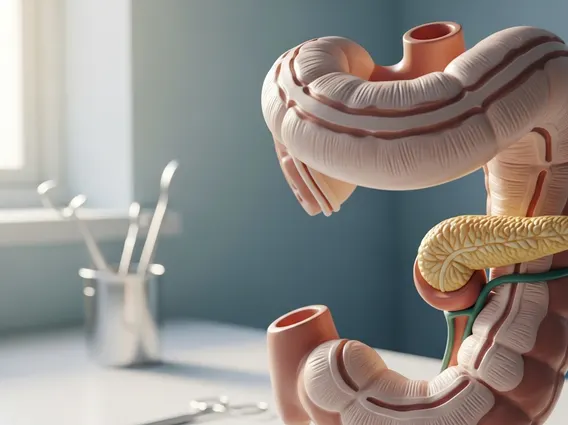
An Esophagram is a specialized medical imaging procedure used to examine the esophagus, the muscular tube that connects the throat to the stomach. This diagnostic test helps healthcare professionals visualize the structure and function of the esophagus, aiding in the diagnosis of various conditions affecting swallowing and digestion.
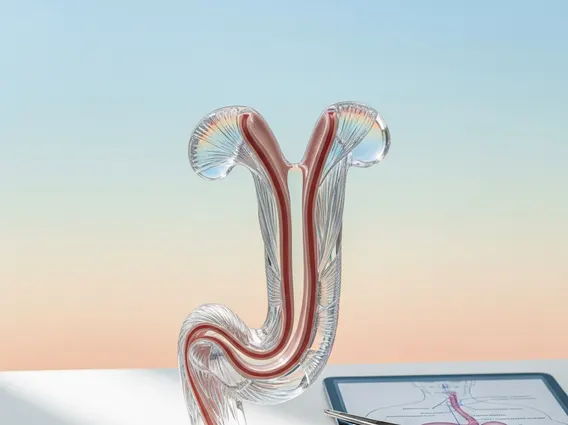
Key Takeaways
- An Esophagram is an X-ray imaging test that uses a barium solution to visualize the esophagus.
- It helps diagnose issues such as swallowing difficulties, acid reflux, and structural abnormalities.
- Patients typically fast before the procedure to ensure clear imaging.
- The test involves drinking a contrast liquid while X-ray images are taken.
- Results guide treatment plans for various esophageal and swallowing disorders.
What is an Esophagram?
An Esophagram, also known as a barium swallow, is a radiological examination that uses X-rays to create images of your esophagus, stomach, and the first part of your small intestine (duodenum). During the procedure, patients drink a liquid containing barium, a metallic compound that appears white on X-rays. This contrast agent coats the lining of the digestive tract, allowing radiologists to observe its shape, function, and any abnormalities as the barium travels through the system. The procedure provides dynamic images of the swallowing process, offering insights into how food and liquids move from the mouth to the stomach.
The primary goal of an Esophagram is to identify structural or functional problems within the esophagus that might be causing symptoms. It is a non-invasive test that provides detailed visual information, complementing other diagnostic methods. According to the American College of Radiology, barium studies remain a valuable tool for evaluating the upper gastrointestinal tract, especially for dynamic assessment of swallowing.
Why an Esophagram is Performed
An Esophagram is performed to investigate a range of symptoms and conditions affecting the esophagus and swallowing mechanism. It helps clinicians identify the underlying causes of discomfort or difficulty experienced by patients. The detailed visualization provided by the barium allows for the detection of various issues that might not be apparent through other diagnostic methods.
Common reasons for performing an Esophagram include:
- Dysphagia: Difficulty or pain when swallowing.
- Gastroesophageal Reflux Disease (GERD): Persistent heartburn or acid reflux.
- Chest Pain: Unexplained chest pain that is not cardiac-related.
- Hiatal Hernia: When part of the stomach pushes up through the diaphragm.
- Esophageal Spasms: Painful muscle contractions in the esophagus.
- Strictures or Narrowing: Abnormal constrictions in the esophageal tube.
- Tumors or Polyps: Growths within the esophagus.
- Achalasia: A condition where the lower esophageal sphincter fails to relax properly.
By identifying these conditions, the Esophagram helps guide appropriate treatment strategies, ranging from medication and lifestyle changes to surgical interventions.
Esophagram Procedure, Preparation, and Results
The esophagram procedure explained involves several key steps. Before the test, patients receive specific instructions for esophagram preparation and results. Typically, preparation involves fasting for several hours (usually 6-8 hours) before the examination to ensure the stomach is empty, which allows for clearer imaging. Patients should also inform their doctor about any medications they are taking and any allergies, especially to barium or contrast agents.
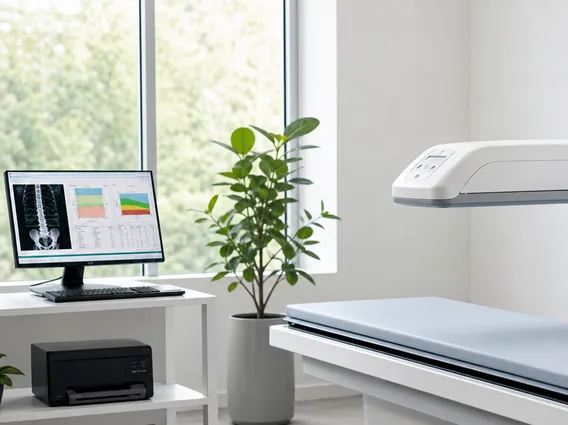
During the procedure, the patient stands or lies on an X-ray table. They will be asked to drink a thick, chalky liquid containing barium while a radiologist takes a series of X-ray images or a continuous X-ray video (fluoroscopy). The radiologist observes the barium as it moves down the esophagus, noting any abnormalities in its passage, shape, or function. The entire procedure usually takes about 15-30 minutes. After the test, patients are encouraged to drink plenty of fluids to help flush the barium from their system, as barium can cause constipation.
The radiologist interprets the images and sends a report to the referring physician. The esophagram preparation and results are crucial for diagnosis. Results can reveal a variety of issues, such as inflammation, ulcers, tumors, diverticula (pouches), or problems with muscle function. Based on these findings, the physician can then discuss the diagnosis with the patient and recommend further tests or a suitable treatment plan.