Radical Lymph Node Dissection
Radical Lymph Node Dissection is a significant surgical procedure often performed in the context of cancer treatment. This article provides an overview of this complex operation, detailing its purpose, procedural aspects, and the recovery process involved.

Key Takeaways
- Radical Lymph Node Dissection is a surgical procedure to remove a group of lymph nodes to treat or stage cancer.
- It is primarily indicated when cancer has spread or is suspected to have spread to regional lymph nodes.
- The procedure involves careful surgical removal of affected lymph nodes and surrounding tissue.
- Recovery requires diligent wound care, pain management, and often physical therapy to manage swelling and restore function.
- Potential complications include lymphedema, infection, and nerve damage.
What is Radical Lymph Node Dissection?
Radical Lymph Node Dissection refers to a surgical procedure involving the removal of a significant group of lymph nodes and sometimes surrounding tissue from a specific area of the body. This operation is primarily performed as part of cancer treatment or staging, particularly when there is evidence or strong suspicion that cancer cells have spread from the primary tumor to the regional lymph nodes. The primary goal is to remove cancerous lymph nodes to prevent further spread of the disease and to accurately determine the extent of cancer, which guides subsequent treatment decisions.
The reasons for radical lymph node dissection typically include confirmed metastasis to lymph nodes, a high risk of microscopic spread, or to achieve local control of the disease. For instance, in certain types of melanoma, breast cancer, or head and neck cancers, these procedures are crucial. According to the American Cancer Society, lymph node status is one of the most important prognostic factors for many solid tumors, making their removal and pathological examination vital for accurate staging and treatment planning.
The Radical Lymph Node Dissection Procedure
The radical lymph node dissection procedure is a complex surgical intervention performed under general anesthesia. The exact steps vary depending on the location and extent of the lymph nodes being removed (e.g., axillary, cervical, inguinal, or retroperitoneal). Generally, the surgeon makes an incision in the skin to access the affected area. Meticulous dissection is then performed to identify and carefully remove the targeted group of lymph nodes, along with any associated fatty or connective tissue. Care is taken to preserve vital structures such as nerves, blood vessels, and muscles, though sometimes some of these may need to be removed if they are involved with the cancer.
After the lymph nodes are removed, they are sent to a pathologist for microscopic examination to determine if cancer cells are present and to assess the number of involved nodes. Drains may be placed in the surgical site to collect fluid and prevent accumulation, which are typically removed days or weeks after surgery. The incision is then closed with sutures or staples. The duration of the surgery can range from a few hours to several hours, depending on the complexity and location of the dissection.
Radical Lymph Node Dissection Recovery
Radical lymph node dissection recovery is a critical phase that requires careful management and patient adherence to post-operative instructions. Immediately after surgery, patients typically experience pain, swelling, and discomfort in the surgical area, which is managed with medication. Hospital stays can range from a few days to over a week, depending on the extent of the surgery and the patient’s overall health.
Key aspects of recovery often include:
- Wound Care: Keeping the surgical site clean and dry to prevent infection.
- Drain Management: If drains are present, patients or caregivers learn how to empty and record fluid output.
- Pain Management: Adhering to prescribed pain medication schedules.
- Activity Restrictions: Avoiding heavy lifting and strenuous activities to allow the surgical site to heal.
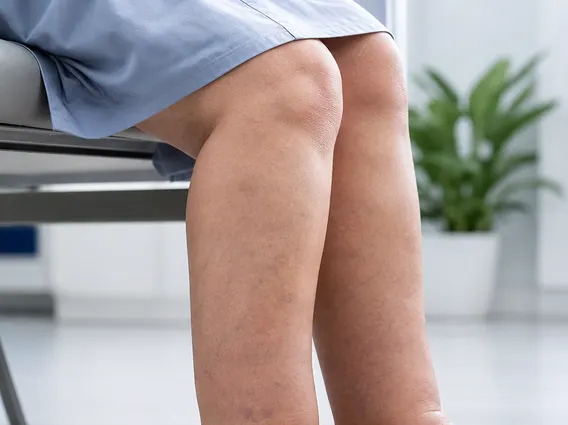
- Physical Therapy: Often recommended to restore range of motion and reduce the risk of lymphedema, a common long-term complication characterized by swelling due to impaired lymphatic drainage.
Full recovery can take several weeks to months, and ongoing follow-up appointments with the surgical team and oncologists are essential to monitor healing, manage any long-term side effects, and plan further cancer treatment if necessary. Patients are advised to watch for signs of infection (fever, redness, increased pain), excessive swelling, or numbness and report them to their healthcare provider.