Radical Cystectomy
Radical Cystectomy is a major surgical procedure primarily performed to treat invasive bladder cancer. It involves the complete removal of the bladder and often surrounding organs, followed by the creation of a new way for urine to exit the body.

Key Takeaways
- Radical Cystectomy is the surgical removal of the entire bladder, typically for invasive bladder cancer.
- The procedure often includes removing nearby lymph nodes and reproductive organs in men and women.
- Urinary diversion, such as an ileal conduit or neobladder, is a necessary part of the surgery.
- Recovery involves a hospital stay, pain management, and significant lifestyle adjustments.
- While associated with risks, the primary benefit is the potential for cancer eradication and improved prognosis.
What is Radical Cystectomy?
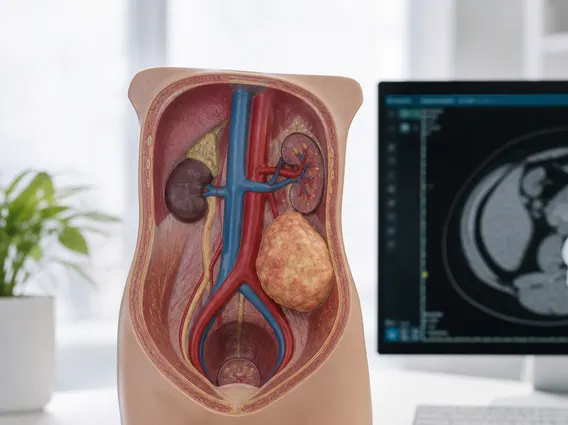
Radical Cystectomy refers to a complex surgical operation that involves the complete removal of the urinary bladder. This procedure is most commonly performed to treat muscle-invasive bladder cancer, a condition where cancer cells have grown into the deeper layers of the bladder wall. It may also be considered for high-grade non-muscle-invasive bladder cancer that has not responded to other treatments, or in rare cases, for other severe bladder conditions.
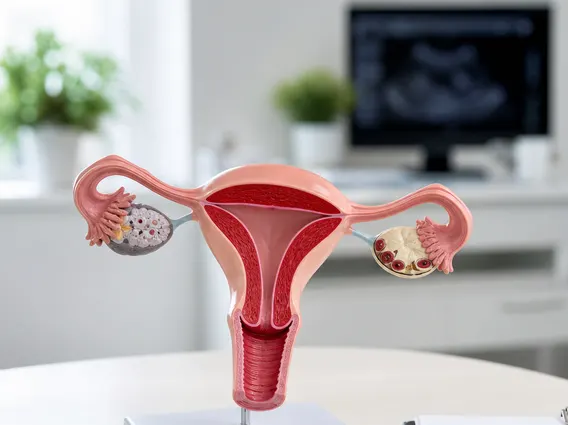
Beyond the bladder itself, the surgery typically includes the removal of surrounding lymph nodes (lymphadenectomy) to check for cancer spread. In men, this often involves removing the prostate and seminal vesicles. In women, the uterus, ovaries, fallopian tubes, and part of the vagina may also be removed. Following bladder removal, a crucial part of the procedure is creating a new pathway for urine to leave the body, known as urinary diversion.
Radical Cystectomy Procedure Details
The radical cystectomy procedure details involve several key steps, beginning with general anesthesia. The surgery can be performed through an open incision in the abdomen or using minimally invasive techniques, such as robotic-assisted laparoscopy, which involves smaller incisions and specialized instruments. The choice of approach depends on various factors, including the patient’s overall health, the extent of the cancer, and the surgeon’s expertise.
Once the bladder and any affected surrounding organs and lymph nodes are removed, the surgeon proceeds with urinary diversion. This critical step ensures that urine can be collected and expelled from the body. The main types of urinary diversion include:
- Ileal Conduit: A segment of the small intestine (ileum) is used to create a tube that connects the ureters (tubes carrying urine from the kidneys) to an opening (stoma) on the abdominal wall. A bag is worn externally to collect urine.
- Neobladder: A segment of the small intestine is reshaped to create an internal pouch that functions as a new bladder. This neobladder is connected to the urethra, allowing the patient to void urine through the natural pathway, often requiring training and specific techniques.
- Continent Cutaneous Diversion: A pouch is created internally, but instead of connecting to the urethra, it connects to a stoma on the abdomen. The patient inserts a catheter into the stoma at regular intervals to drain urine.
The specific type of urinary diversion chosen is a shared decision between the patient and the surgical team, considering factors like lifestyle, physical condition, and personal preferences.
Recovery, Risks, and Benefits of Radical Cystectomy
Recovery after radical cystectomy is a significant process that typically involves a hospital stay of several days to a week. During this time, pain management, monitoring for complications, and early mobilization are crucial. Patients will receive instructions on wound care, managing their urinary diversion, and dietary adjustments. Full recovery can take several weeks to months, during which patients gradually return to their normal activities. Long-term adjustments, particularly with a urinary diversion, are often necessary and may involve learning new ways to manage urination and adapting to changes in body image.
Like any major surgery, radical cystectomy risks are present. Potential complications can include bleeding, infection, blood clots, bowel obstruction, urinary leakage, kidney problems, and issues related to the urinary diversion (e.g., stoma complications, neobladder dysfunction). Sexual function may also be affected, as nerve damage or removal of reproductive organs can lead to erectile dysfunction in men or changes in sensation and lubrication in women. However, nerve-sparing techniques are sometimes possible to mitigate these effects. According to the American Cancer Society, bladder cancer is the sixth most common cancer in the U.S., and radical cystectomy offers a definitive treatment option for advanced cases.
Despite the challenges, the primary radical cystectomy benefits are substantial, particularly for individuals with muscle-invasive bladder cancer. The procedure offers the best chance for complete removal of the cancer, potentially leading to a cure and significantly improving long-term survival rates. For many patients, it provides relief from symptoms associated with advanced bladder cancer, such as pain and persistent bleeding. While the recovery and adjustments can be demanding, the potential for cancer eradication and improved quality of life makes it a vital treatment option.