Radiation Therapist
A Radiation Therapist is a vital member of the oncology team, responsible for administering radiation treatments to patients with cancer. These highly skilled professionals play a crucial role in the fight against cancer by delivering precise doses of radiation as prescribed by radiation oncologists.
Key Takeaways
- Radiation therapists administer targeted radiation treatments to cancer patients.
- They operate advanced medical equipment and ensure patient safety and comfort during treatment.
- The role requires strong technical skills, attention to detail, and excellent patient communication.
- Becoming a radiation therapist typically involves an associate’s or bachelor’s degree and professional certification.
- The profession offers a stable career path with competitive compensation and a positive job outlook.
What is a Radiation Therapist: Roles and Responsibilities
A Radiation Therapist is a healthcare professional who works directly with cancer patients, delivering radiation therapy treatments. This specialized field requires a deep understanding of human anatomy, radiation physics, and patient care. Their primary responsibility is to accurately deliver prescribed doses of radiation to specific areas of a patient’s body, targeting cancerous cells while minimizing harm to healthy tissue.
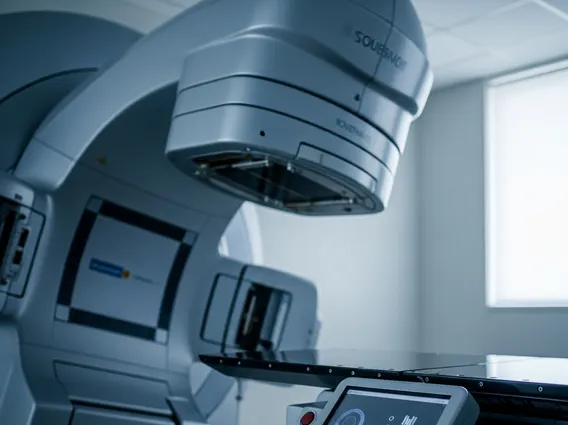
The core of what a radiation therapist does involves operating sophisticated radiation delivery equipment, such as linear accelerators. They meticulously position patients for treatment, perform daily quality assurance checks on equipment, and monitor patients throughout the treatment session. Beyond the technical aspects, a significant part of the radiation therapist job description includes providing emotional support and clear communication to patients, who are often undergoing stressful and challenging treatments. They explain procedures, answer questions, and address any concerns, ensuring patients feel comfortable and informed.
Key responsibilities include:
- Reviewing prescriptions and patient charts to verify treatment parameters.
- Preparing the treatment room and equipment for each patient.
- Accurately positioning patients using immobilization devices and imaging systems.
- Operating radiation therapy equipment to deliver precise radiation doses.
- Monitoring patients for adverse reactions during treatment.
- Maintaining detailed treatment records and documentation.
- Collaborating with radiation oncologists, dosimetrists, and medical physicists.
Their precision and compassionate care are integral to the success of radiation therapy, making them indispensable members of the cancer care team.
How to Become a Radiation Therapist: Education and Salary
To become a radiation therapist, individuals typically pursue an associate’s or bachelor’s degree in radiation therapy. These programs are rigorous, combining classroom instruction with extensive clinical training. Coursework often includes subjects like anatomy and physiology, medical dosimetry, radiation physics, radiation biology, patient care, and medical ethics. Graduates are then eligible to sit for certification exams, most commonly administered by the American Registry of Radiologic Technologists (ARRT).
After completing an accredited program and passing the certification exam, most states require licensure to practice. Continuing education is also a mandatory aspect of the profession, ensuring therapists stay current with advancements in technology and treatment protocols. This commitment to ongoing learning helps maintain high standards of patient care and professional competence.
Regarding radiation therapist salary and education, the compensation for radiation therapists is generally competitive, reflecting the specialized skills and critical nature of the role. According to the U.S. Bureau of Labor Statistics, the median annual wage for radiation therapists was $89,160 in May 2022. Job growth for radiation therapists is projected to be 6 percent from 2022 to 2032, which is about as fast as the average for all occupations. This growth is driven by the increasing demand for cancer treatment services as the population ages and cancer incidence rises. Factors influencing salary can include geographic location, years of experience, and the type of healthcare facility. The investment in education and certification typically leads to a rewarding and stable career.