Pentosan Polysulfate
Pentosan Polysulfate is a semi-synthetic polysulfated xylan, primarily known for its role in treating certain bladder conditions. This medication works by forming a protective layer on the bladder lining, helping to alleviate discomfort and promote healing.
Key Takeaways
- Pentosan Polysulfate is a medication used primarily for interstitial cystitis/bladder pain syndrome.
- Its mechanism involves forming a protective barrier on the bladder’s mucosal surface.
- Dosage is typically oral, with specific administration guidelines to maximize absorption.
- Benefits include pain relief and improved bladder function, but potential risks like bleeding and hair loss exist.
- It is a long-term treatment, requiring consistent adherence for optimal results.
What is Pentosan Polysulfate: Mechanism and Uses
Pentosan Polysulfate is a synthetic sulfated polysaccharide, structurally similar to glycosaminoglycans (GAGs) found naturally in the body. It is primarily recognized for its therapeutic application in specific urological conditions. This medication plays a crucial role in managing chronic bladder pain and discomfort associated with interstitial cystitis/bladder pain syndrome (IC/BPS).
Pentosan Polysulfate mechanism of action
The precise Pentosan Polysulfate mechanism of action is not fully understood but is believed to involve several pathways. It is thought to adhere to the damaged or deficient glycosaminoglycan layer of the bladder’s mucosal surface. This adherence forms a protective barrier, shielding the underlying tissue from irritating substances in the urine. By restoring this protective layer, Pentosan Polysulfate may reduce inflammation, pain, and urgency associated with bladder conditions. Additionally, it may possess mild anticoagulant and fibrinolytic properties, which could contribute to its therapeutic effects by improving blood flow to the bladder wall and reducing micro-clot formation.
What is Pentosan Polysulfate used for?
What is Pentosan Polysulfate used for is primarily the treatment of interstitial cystitis/bladder pain syndrome (IC/BPS). This chronic condition causes bladder pressure, bladder pain, and pelvic pain, ranging from mild discomfort to severe pain. Pentosan Polysulfate is the only oral medication approved by the U.S. Food and Drug Administration (FDA) specifically for this condition. It aims to reduce symptoms such as pain, urgency, and frequency of urination, thereby improving the patient’s quality of life. While its primary indication is IC/BPS, research continues into other potential applications, though these are not yet standard clinical uses.
Pentosan Polysulfate: Dosage, Administration, and Risks
Pentosan Polysulfate dosage and administration
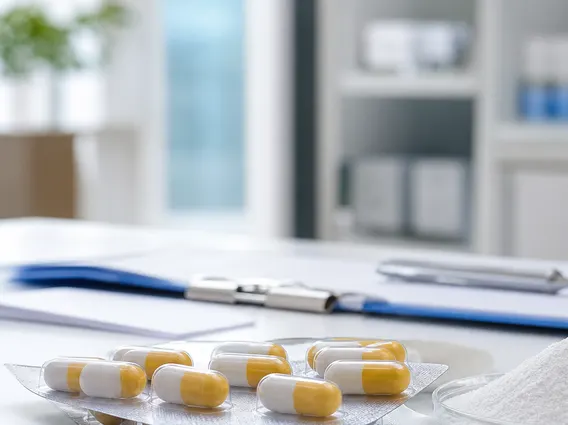
The typical Pentosan Polysulfate dosage and administration involves oral intake. For adults, the standard dose is 100 mg taken three times daily, usually one hour before meals or two hours after meals with water. This specific timing is important because food can interfere with the absorption of the medication, reducing its effectiveness. Consistent adherence to the prescribed regimen is crucial, as it may take several months (e.g., 3 to 6 months) for patients to experience significant symptom relief. Treatment is often long-term, continuing as long as the patient benefits and tolerates the medication.
Pentosan Polysulfate benefits and risks
The Pentosan Polysulfate benefits and risks must be carefully weighed by patients and healthcare providers. Benefits include:
- Significant reduction in bladder pain and discomfort.
- Decrease in urinary urgency and frequency.
- Improved quality of life for individuals with IC/BPS.
- Restoration of the bladder’s protective lining.
However, like all medications, Pentosan Polysulfate carries potential risks and side effects. Common side effects may include nausea, diarrhea, abdominal pain, headache, and hair loss (alopecia), which is usually reversible upon discontinuation. Mild bleeding, such as bruising or nosebleeds, can occur due to its mild anticoagulant properties. More serious, though rare, risks include retinal pigmentary changes, which can lead to vision problems; regular eye examinations are recommended for patients on long-term therapy. Liver enzyme elevations have also been reported. Patients should discuss all potential side effects and their medical history with their doctor before starting treatment.