
Parathyrin
Parathyrin, also known as parathyroid hormone (PTH), is a vital hormone that plays a central role in maintaining the body’s delicate balance of calcium and phosphate. Its proper function is essential for strong bones, nerve function, and overall cellular health.
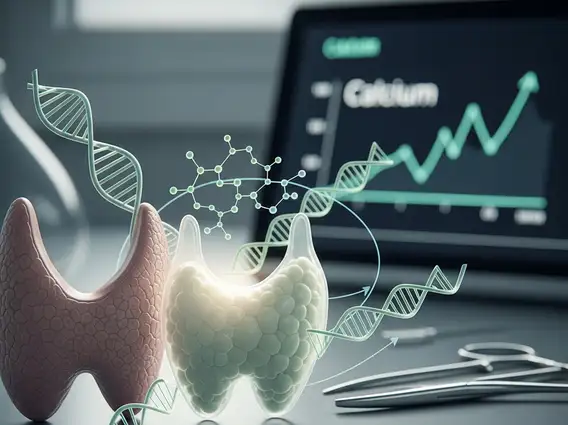
Key Takeaways
- Parathyrin (PTH) is a hormone produced by the parathyroid glands, crucial for mineral homeostasis.
- Its primary function is to elevate blood calcium levels and regulate phosphate.
- PTH achieves this by acting on bones, kidneys, and indirectly on the intestines via vitamin D activation.
- Dysregulation of PTH can lead to significant health issues, including bone disorders and metabolic imbalances.
What is Parathyrin (PTH)?
Parathyrin, commonly referred to as parathyroid hormone (PTH), is a polypeptide hormone secreted by the parathyroid glands, four small glands located in the neck, usually behind the thyroid gland. Its primary physiological role is to meticulously regulate calcium and phosphate concentrations in the blood. The body maintains very tight control over calcium levels because this mineral is critical for numerous bodily functions, including nerve impulse transmission, muscle contraction, blood clotting, and bone formation.
The secretion of Parathyrin is directly influenced by blood calcium levels. When calcium levels drop, the parathyroid glands release more PTH. Conversely, when calcium levels rise, PTH secretion is suppressed. This intricate feedback loop ensures that calcium homeostasis is maintained within a narrow, healthy range, preventing both hypocalcemia (low calcium) and hypercalcemia (high calcium), which can have severe health consequences.
Parathyrin’s Role in Calcium Regulation and Bone Health
The parathyrin hormone function is multifaceted, primarily aimed at increasing calcium levels in the bloodstream. It achieves this through direct actions on bone and kidneys, and an indirect effect on the intestines. The role of parathyrin in body extends beyond just calcium, as it also influences phosphate metabolism, typically leading to a decrease in blood phosphate levels.
Parathyrin exerts its effects through several key mechanisms:
- Bone Resorption: PTH stimulates osteoclasts, specialized cells that break down bone tissue, releasing calcium and phosphate into the blood. This process, known as bone resorption, is a continuous remodeling process that helps maintain bone strength and provides a readily available reservoir of calcium.
- Kidney Reabsorption: In the kidneys, PTH increases the reabsorption of calcium from the filtered fluid back into the bloodstream, thereby reducing calcium loss in the urine. Simultaneously, it decreases the reabsorption of phosphate, leading to increased phosphate excretion.
- Vitamin D Activation: PTH stimulates the kidneys to convert inactive vitamin D into its active form, calcitriol. Calcitriol then acts on the small intestine to enhance the absorption of dietary calcium and phosphate, further contributing to increased blood calcium levels.
The combined actions of Parathyrin ensure that the body can respond rapidly to changes in calcium demand. For instance, primary hyperparathyroidism, a condition characterized by excessive PTH production, affects approximately 1% of the adult population, with a higher incidence in postmenopausal women, according to the National Institutes of Health. This condition can lead to persistently high blood calcium levels, causing symptoms such as bone pain, kidney stones, and fatigue. Understanding the parathyrin definition and effects is crucial for diagnosing and managing a range of metabolic bone diseases and mineral imbalances, highlighting its indispensable role in maintaining overall physiological health.



















