
Paralytic Ileus
Paralytic ileus is a condition characterized by the temporary cessation of bowel movements, leading to a functional obstruction of the intestine. Unlike a mechanical obstruction, there is no physical blockage, but rather a disruption in the normal propulsive activity of the gastrointestinal tract.
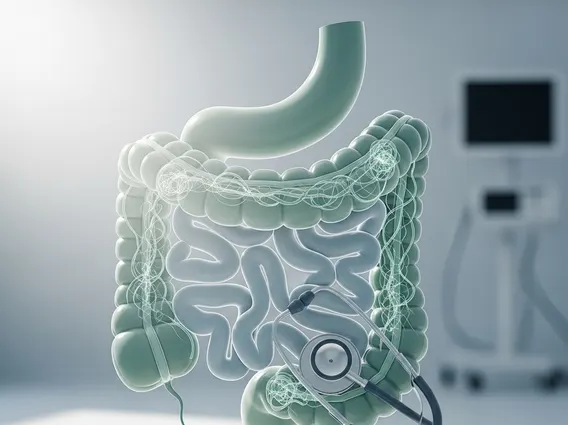
Key Takeaways
- Paralytic ileus is a functional bowel obstruction where the intestine temporarily stops moving, not due to a physical blockage.
- Common symptoms include abdominal pain, bloating, nausea, vomiting, and an inability to pass gas or stool.
- Causes often involve abdominal surgery, certain medications, electrolyte imbalances, and severe illness.
- Diagnosis typically involves physical examination, imaging tests like X-rays or CT scans, and blood tests.
- Treatment focuses on supportive care, addressing underlying causes, and often involves bowel rest and intravenous fluids.
What is Paralytic Ileus?
Paralytic ileus refers to a condition where the normal muscular contractions (peristalsis) of the intestines temporarily stop or become severely impaired. This leads to a buildup of gas and fluid within the digestive tract, causing symptoms similar to a physical bowel obstruction, but without any actual mechanical blockage. It is a common complication, particularly after abdominal surgery, and can affect any part of the small or large intestine. The condition is distinct from mechanical ileus, where a physical barrier like a tumor or adhesion blocks the bowel. Understanding what is Paralytic Ileus is crucial for timely medical intervention and management.
Recognizing Paralytic Ileus: Symptoms and Causes
Recognizing the signs of Paralytic ileus symptoms causes is vital for early detection. The symptoms often develop gradually and can include:
- Abdominal distension (bloating)
- Nausea and vomiting, especially of recently consumed food or bile
- Diffuse abdominal pain or discomfort
- Inability to pass gas (flatus) or stool
- Absent or minimal bowel sounds upon auscultation
The causes of Paralytic Ileus are diverse, often stemming from factors that disrupt normal gut motility. The most common cause is abdominal surgery, particularly procedures involving manipulation of the intestines. Other significant causes include medications such as opioids and anticholinergics, electrolyte imbalances like hypokalemia, inflammation or infection (e.g., peritonitis, sepsis), spinal cord injury, severe systemic illnesses, and trauma.
Diagnosing and Treating Paralytic Ileus
Accurate Paralytic ileus diagnosis is essential to differentiate it from mechanical obstruction, which requires different management. Diagnosis typically begins with a thorough physical examination, where a doctor will listen for bowel sounds (which may be absent or diminished) and check for abdominal distension and tenderness. Imaging studies are crucial, including abdominal X-rays that can show dilated loops of bowel with air-fluid levels, and Computed Tomography (CT) scans which provide more detailed images to rule out mechanical obstruction and identify underlying causes. Blood tests are also performed to check for electrolyte imbalances, infection markers, and overall organ function.
The primary goal of Paralytic ileus treatment options is supportive care and addressing the underlying cause. Treatment strategies often include keeping the patient “nil per os” (NPO) to allow the intestines to rest, administering intravenous (IV) fluids to maintain hydration and correct electrolyte imbalances, and sometimes inserting a nasogastric (NG) tube to decompress the stomach and remove accumulated gas and fluid. Reviewing and adjusting medications that contribute to ileus, such as opioids, is also important. Treating the underlying cause, such as managing sepsis or correcting electrolyte abnormalities, is paramount. Early ambulation after surgery is often encouraged to stimulate bowel activity. In most cases, Paralytic Ileus resolves within a few days with conservative management. However, close monitoring is necessary to prevent complications such as dehydration or aspiration pneumonia. According to medical literature, postoperative ileus affects a significant percentage of patients undergoing abdominal surgery, highlighting its prevalence and the importance of effective management strategies.



















