Lymphatic System
The lymphatic system is a vital part of the immune system and a crucial component of the circulatory system, working tirelessly to maintain fluid balance and defend the body against disease. Understanding its structure and functions is essential for appreciating its role in overall health.
Key Takeaways
- The lymphatic system is a network of vessels, tissues, and organs that transport lymph, a fluid containing white blood cells.
- Its primary functions include maintaining fluid balance, absorbing fats from the digestive tract, and defending the body against pathogens.
- It plays a central role in immunity, filtering lymph and housing immune cells that identify and destroy harmful invaders.
- Common conditions affecting the lymphatic system range from lymphedema to infections and certain cancers.
- Maintaining a healthy lifestyle supports optimal lymphatic function and overall immune health.
What is the Lymphatic System?
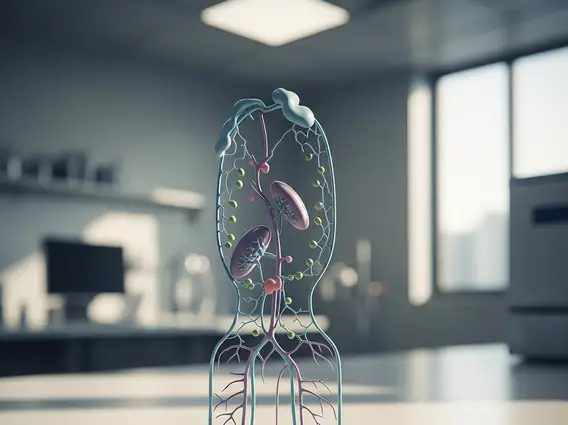
The lymphatic system is a complex network of vessels, nodes, and organs that runs throughout the body, parallel to the blood circulatory system. It is responsible for collecting and returning interstitial fluid, which leaks from blood capillaries into body tissues, back to the bloodstream. This fluid, once inside the lymphatic vessels, is known as lymph. Unlike the cardiovascular system, the lymphatic system does not have a central pump; instead, lymph movement relies on muscle contractions, breathing, and one-way valves within the vessels.
Key components of the lymphatic system include lymphatic vessels, lymph nodes, the spleen, the thymus, and the tonsils. Lymphatic vessels are thin-walled tubes that carry lymph. Lymph nodes are small, bean-shaped glands located along these vessels, particularly in the neck, armpits, and groin, where they filter lymph and store immune cells. The spleen filters blood, removes old red blood cells, and stores white blood cells. The thymus is crucial for the maturation of T-lymphocytes, a type of white blood cell, while the tonsils provide immune surveillance at the entry points of the digestive and respiratory tracts.
Key Functions and Immune Role of the Lymphatic System
The function of the lymphatic system is multifaceted, encompassing fluid balance, fat absorption, and immune defense. One of its primary roles is to collect excess fluid and proteins from tissues and return them to the bloodstream, preventing swelling and maintaining proper fluid levels. Without this function, fluid would accumulate in tissues, leading to edema. Additionally, specialized lymphatic vessels called lacteals, located in the small intestine, absorb dietary fats and fat-soluble vitamins, transporting them to the bloodstream.
Crucially, the lymphatic system and immunity are intrinsically linked. It serves as a critical component of the body’s defense mechanism against infections and diseases. Lymph nodes act as filtration centers, trapping bacteria, viruses, and other foreign substances carried in the lymph. Within these nodes, immune cells such as lymphocytes (T cells and B cells) are activated to mount an immune response against detected pathogens. The spleen, another major lymphatic organ, also filters blood and plays a significant role in immune surveillance and response. For instance, the World Health Organization (WHO) highlights the lymphatic system’s essential role in fighting infections, with disruptions often leading to compromised immunity.
Common Diseases Affecting the Lymphatic System
Several diseases of the lymphatic system can impair its function and impact overall health. One of the most common conditions is lymphedema, characterized by chronic swelling, typically in an arm or leg, due to a blockage or damage to the lymphatic vessels. This can be primary (genetic) or secondary, often resulting from cancer treatment such as surgery or radiation that damages lymph nodes or vessels. According to the Centers for Disease Control and Prevention (CDC), lymphedema affects millions globally, often as a complication of cancer treatment.
Other conditions include lymphadenopathy, which is the swelling of lymph nodes, usually indicating an infection or inflammation. Lymphoma, a type of cancer, originates in the lymphocytes within the lymphatic system. This can affect lymph nodes, spleen, bone marrow, and other organs. Infections, such as lymphangitis (inflammation of lymphatic vessels), can also occur. Maintaining a healthy lifestyle, including regular physical activity and a balanced diet, can support lymphatic health. If you experience persistent swelling, enlarged lymph nodes, or unexplained fatigue, it is important to consult a healthcare professional for diagnosis and appropriate treatment.