
Intraocular
Intraocular refers to anything located, occurring, or performed within the eye. This medical term is central to understanding various conditions, diagnostic procedures, and treatments related to the internal structures of the human eye.
Key Takeaways
- Intraocular is a medical term describing anything inside the eye.
- Key conditions include glaucoma and uveitis, often linked to changes in intraocular pressure.
- Symptoms like blurred vision or eye pain can indicate underlying intraocular diseases and conditions.
- Intraocular lenses (IOLs) are crucial for restoring vision, especially after cataract surgery.
- Early diagnosis and treatment of intraocular issues are vital for preserving vision.
What is Intraocular: Medical Definition
In medical terms, Intraocular precisely means “within the eye.” This term is fundamental in ophthalmology, the branch of medicine focused on eye health, diseases, and surgery. It encompasses all the structures and processes that occur inside the eyeball, including the lens, retina, vitreous humor, and the fluid-filled chambers. Understanding this term is crucial for diagnosing and treating a wide array of eye conditions, as many significant diseases manifest or originate within these internal ocular components.
A critical aspect related to the intraocular environment is intraocular pressure (IOP), which is the fluid pressure inside the eye. This pressure is maintained by the continuous production and drainage of aqueous humor, a clear fluid that nourishes the eye’s internal structures. Normal IOP is essential for maintaining the eye’s shape and optical integrity. Deviations from normal IOP, either too high or too low, can lead to serious eye conditions and vision impairment.
Intraocular Diseases and Conditions Overview
A broad spectrum of intraocular diseases and conditions can affect vision and eye health. These conditions often involve inflammation, infection, structural damage, or imbalances in the eye’s internal environment. Early detection and treatment are paramount to preventing irreversible vision loss. Some common examples include glaucoma, uveitis, and retinal detachment, each impacting different intraocular structures.
Regarding intraocular pressure symptoms and causes, elevated IOP is a primary risk factor for glaucoma, a leading cause of blindness worldwide. Symptoms of high IOP often develop gradually and may include blurred vision, halos around lights, eye pain, redness, and headaches. Causes of elevated IOP can range from genetic predisposition and age to certain medical conditions and medications. Conversely, abnormally low IOP can also be problematic, potentially leading to hypotony maculopathy or choroidal detachment. Regular eye examinations are vital for monitoring IOP and detecting these conditions early, as many intraocular diseases can progress without noticeable symptoms in their initial stages.
Types of Intraocular Lenses (IOLs) Explained
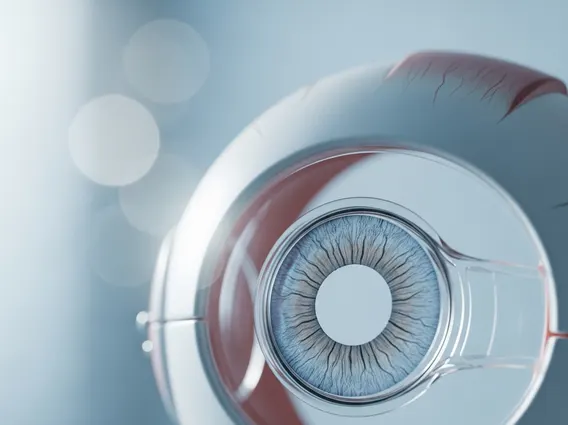
Intraocular lenses (IOLs) are artificial lenses implanted into the eye, most commonly during cataract surgery, to replace the eye’s natural lens after it has been removed. Cataracts cause the natural lens to become cloudy, impairing vision. IOLs are designed to restore clear vision and can correct various refractive errors. The choice of IOL depends on the patient’s specific visual needs, lifestyle, and the surgeon’s recommendation.
There are several types of intraocular lenses available today, each offering distinct advantages:
- Monofocal IOLs: These are the most common type, providing clear vision at a single focal distance, typically far vision. Patients usually require reading glasses for near tasks after implantation.
- Multifocal IOLs: Designed to provide vision at multiple distances (near, intermediate, and far), potentially reducing or eliminating the need for glasses. They work by having different zones of power within the lens.
- Toric IOLs: These lenses are specifically designed to correct astigmatism, a common refractive error caused by an irregularly shaped cornea. They provide clear distance vision and correct the astigmatism simultaneously.
- Extended Depth of Focus (EDOF) IOLs: These lenses create a single elongated focal point to enhance a continuous range of vision, typically from intermediate to far, with some functional near vision.
The development of these advanced IOLs has significantly improved outcomes for patients undergoing cataract surgery, offering customized vision correction and a higher quality of life.



















