Fertility
Fertility is a fundamental aspect of human biology, referring to the natural capacity to produce offspring. Understanding the factors that influence it is crucial for individuals and couples planning a family.

Key Takeaways
- Fertility is the biological capacity to reproduce, influenced by various factors in both men and women.
- Key signs of fertility in women include regular menstrual cycles and ovulation, while male fertility facts highlight sperm health.
- Lifestyle choices such as maintaining a healthy weight, balanced diet, and stress management are vital for improving fertility.
- Infertility affects a significant portion of couples globally, often requiring medical evaluation and intervention.
What is Fertility?
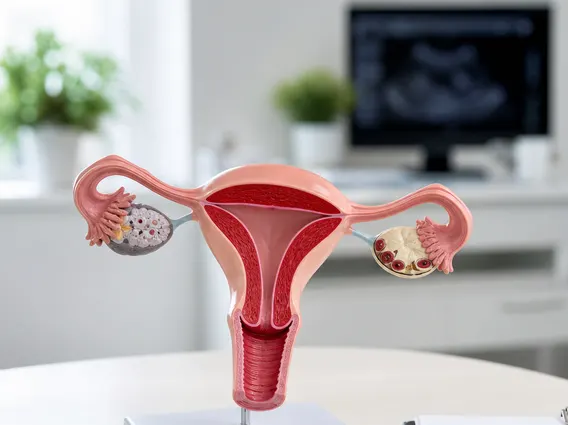
Fertility refers to the natural ability to conceive and produce offspring. It is a complex biological process involving the successful interaction of various physiological systems in both males and females. For women, this includes the production of viable eggs, successful ovulation, and a receptive uterus. For men, it involves the production of healthy, motile sperm capable of fertilizing an egg. The World Health Organization (WHO) estimates that between 48 million couples and 186 million individuals live with infertility globally, highlighting the widespread impact of challenges in this area.1
The ability to conceive can be influenced by a multitude of factors, ranging from genetics and age to lifestyle and environmental exposures. Understanding these influences is the first step in addressing potential fertility concerns and optimizing reproductive health.
Signs of Fertility in Women and Male Fertility Facts
Recognizing the indicators of reproductive health is essential for both sexes. For women, several physiological markers can indicate potential fertility. The most prominent among these are consistent and regular menstrual cycles, which typically signal regular ovulation. Other **signs of fertility in women** include changes in basal body temperature (a slight rise after ovulation) and specific patterns in cervical mucus, which becomes clear, stretchy, and abundant around the time of ovulation to facilitate sperm transport. Tracking these signs can help identify the fertile window, increasing the chances of conception.
When considering **male fertility facts**, the focus shifts to sperm quality and quantity. Healthy male fertility is characterized by the production of a sufficient number of sperm, with good motility (ability to swim effectively) and normal morphology (shape). Factors that can impact male fertility include age, certain medical conditions (like varicocele), infections, and lifestyle choices such as smoking, excessive alcohol consumption, and exposure to environmental toxins. Semen analysis is a common diagnostic tool used to assess these parameters and provide insights into a man’s reproductive potential.
How to Improve Fertility
While some factors affecting fertility are beyond an individual’s control, many lifestyle adjustments can significantly enhance reproductive health and improve the chances of conception. Adopting a holistic approach that addresses physical and mental well-being is often recommended.
Key strategies for individuals and couples looking to improve their fertility include:
- Maintain a Healthy Weight: Both being overweight and underweight can disrupt hormonal balance and affect ovulation in women and sperm production in men. Aim for a healthy Body Mass Index (BMI) through balanced nutrition and regular physical activity.
- Eat a Balanced Diet: A diet rich in fruits, vegetables, whole grains, lean proteins, and healthy fats provides essential nutrients for reproductive health. Folic acid supplementation is particularly important for women of childbearing age.
- Manage Stress: High stress levels can impact hormone regulation in both sexes. Incorporate stress-reduction techniques such as yoga, meditation, mindfulness, or spending time in nature.
- Avoid Harmful Substances: Smoking, excessive alcohol consumption, and recreational drug use can severely impair fertility in both men and women. Limiting or eliminating these substances is crucial.
- Limit Caffeine Intake: While moderate caffeine consumption is generally considered safe, high intake may be associated with reduced fertility in some studies.
- Regular Exercise: Moderate, consistent physical activity can improve overall health and support fertility. However, excessive or intense exercise can sometimes have a negative impact, especially on women’s ovulation.
For couples who have been trying to conceive for an extended period (typically one year for those under 35, or six months for those over 35), seeking professional medical advice is recommended. A healthcare provider can conduct thorough evaluations to identify underlying causes of infertility and discuss appropriate treatment options, which may range from lifestyle modifications and medication to assisted reproductive technologies.