Urinary Tract Infection
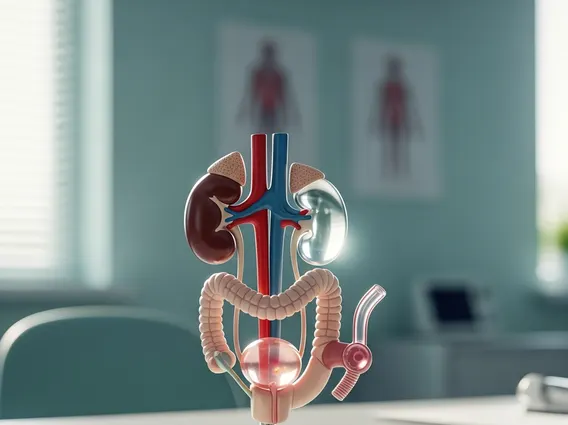
A urinary tract infection (UTI) is a common bacterial infection that affects any part of the urinary system, including the kidneys, ureters, bladder, and urethra. While often uncomfortable, UTIs are typically treatable with antibiotics.
Key Takeaways
- Urinary Tract Infection (UTI) is a bacterial infection of the urinary system, most commonly affecting the bladder.
- Common symptoms include frequent urination, pain during urination, and pelvic discomfort, with specific manifestations often noted in women.
- Most UTIs are caused by bacteria from the bowel entering the urethra, and proper hygiene is key to prevention.
- While medical treatment is essential, certain home remedies can offer symptomatic relief.
- Prompt diagnosis and treatment are crucial to prevent more severe complications like kidney infections.
What is a Urinary Tract Infection (UTI)?
A Urinary Tract Infection (UTI) refers to an infection in any part of the urinary system, which includes the kidneys, ureters, bladder, and urethra. Most infections involve the lower urinary tract—the bladder and the urethra. Women are particularly susceptible to UTIs, with approximately 50-60% experiencing at least one UTI in their lifetime, according to the National Institute of Diabetes and Digestive and Kidney Diseases (NIDDK).
When the infection is limited to the bladder, it is called cystitis. If it affects the urethra, it’s known as urethritis. A more serious infection, pyelonephritis, occurs when bacteria travel up to the kidneys, potentially leading to severe health complications if left untreated.
Symptoms, Causes, and Prevention of Urinary Tract Infections
Recognizing the signs of a UTI is crucial for timely treatment. The symptoms of UTI in women can vary but commonly include a strong, persistent urge to urinate, a burning sensation during urination, passing frequent, small amounts of urine, cloudy urine, and pelvic pain, especially around the pubic bone. Fever, chills, nausea, and back pain may indicate a more serious kidney infection.
The primary cause of UTIs is bacteria, most commonly Escherichia coli (E. coli), which typically resides in the gastrointestinal tract. These bacteria can enter the urethra and travel upwards to the bladder. Factors like sexual activity, certain types of birth control (e.g., diaphragms), menopause, and a compromised immune system can increase the risk of developing a UTI.
Effective causes and prevention of UTIs strategies focus on reducing bacterial entry and promoting urinary tract health. Key preventive measures include:
- Drinking plenty of fluids, especially water, to help flush bacteria from the urinary tract.
- Wiping from front to back after using the toilet to prevent bacteria from the anal region from spreading to the vagina and urethra.
- Urinating shortly after sexual intercourse to help clear any bacteria that may have entered the urethra.
- Avoiding irritating feminine products, such as douches, deodorant sprays, and scented powders, in the genital area.
- Changing birth control methods if they are contributing to recurrent infections.
Home Remedies for UTI Relief
While medical treatment with antibiotics is typically necessary to cure a UTI, certain home remedies for UTI relief can help manage symptoms and support recovery. These remedies are not a substitute for professional medical advice or prescribed antibiotics but can be used as complementary measures. Staying well-hydrated by drinking plenty of water helps to dilute urine and encourages more frequent urination, which can flush bacteria from the urinary tract.
Some individuals find relief with cranberry products, such as cranberry juice or supplements, though scientific evidence on their effectiveness in preventing or treating UTIs is mixed and ongoing. Cranberries contain compounds that may prevent bacteria from adhering to the urinary tract walls. Applying a warm compress or heating pad to the abdomen can also help alleviate bladder pressure and discomfort. Always consult a healthcare professional for diagnosis and treatment of a UTI, especially if symptoms persist or worsen, as these supportive measures do not replace medical intervention.