Urinary Tract
The urinary tract is a vital organ system responsible for filtering waste products from the blood and expelling them from the body. Understanding its structure and function is crucial for maintaining overall health and recognizing potential issues.
Key Takeaways
- The urinary tract system comprises the kidneys, ureters, bladder, and urethra, working together to produce, store, and eliminate urine.
- Its primary function is to filter waste from the blood, regulate fluid and electrolyte balance, and maintain blood pressure.
- Kidneys filter blood to create urine, which travels through the ureters to the bladder for storage, and is then expelled via the urethra.
- Urinary Tract Infection (UTI) is a common condition, particularly in women, characterized by symptoms like painful urination, frequent urges, and abdominal discomfort.
- Early recognition of symptoms and medical consultation are important for effective treatment of urinary tract issues.
What is the Urinary Tract System?
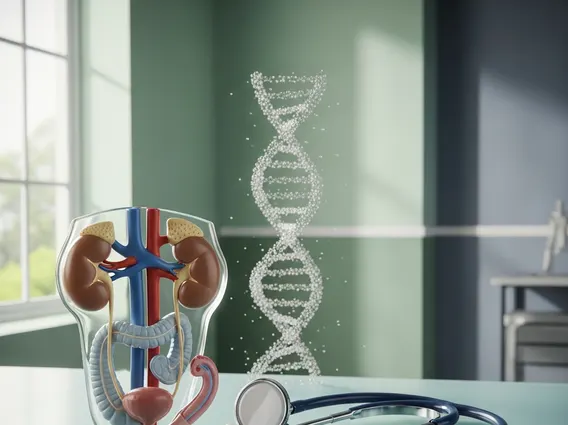
The Urinary Tract System refers to the body’s drainage system for removing urine, which is composed of wastes and excess water. This essential system plays a critical role in maintaining the body’s internal balance, known as homeostasis. It consists of several key organs: two kidneys, two ureters, the bladder, and the urethra. The comprehensive anatomy of the human urinary tract ensures efficient filtration, storage, and elimination of waste products.
The kidneys, located just below the rib cage on either side of the spine, are bean-shaped organs that filter about 120 to 150 quarts of blood daily to produce about 1 to 2 quarts of urine. The ureters are narrow tubes that carry urine from the kidneys to the bladder. The bladder is a muscular, hollow organ in the pelvis that stores urine until it is full. Finally, the urethra is the tube through which urine exits the body from the bladder.
How Does the Urinary System Work?
The process of waste elimination begins in the kidneys, where millions of tiny filtering units called nephrons remove waste products and excess water from the blood to form urine. This filtration process is highly regulated, ensuring that essential substances like proteins and blood cells remain in the bloodstream while waste is extracted. The kidneys also play a vital role in regulating blood pressure, producing hormones, and controlling red blood cell production.
Once formed, urine travels from the kidneys down the ureters through muscular contractions, preventing backflow. It then collects in the bladder, which expands as it fills. When the bladder is full, nerve signals are sent to the brain, creating the urge to urinate. During urination, the bladder muscles contract, and the sphincter muscles relax, allowing urine to flow out of the body through the urethra. This coordinated action ensures efficient and controlled elimination of urine.
Urinary Tract Infection Symptoms
A Urinary Tract Infection (UTI) occurs when bacteria enter the urinary tract, typically through the urethra, and begin to multiply. While UTIs can affect any part of the urinary system, they most commonly involve the bladder (cystitis) or urethra (urethritis). UTIs are very common, with approximately 1 in 2 women experiencing at least one UTI in their lifetime, according to the Centers for Disease Control and Prevention (CDC).
Recognizing the symptoms of a UTI is important for timely treatment. Common symptoms include:
- A strong, persistent urge to urinate
- A burning sensation during urination
- Passing frequent, small amounts of urine
- Cloudy urine
- Red, bright pink, or cola-colored urine (a sign of blood in the urine)
- Strong-smelling urine
- Pelvic pain in women, especially in the center of the pelvis and around the pubic bone
- Rectal pain in men
If the infection spreads to the kidneys, more severe symptoms such as back pain, fever, chills, and nausea or vomiting may occur, requiring immediate medical attention.