Urinary
The urinary system is a vital organ system responsible for filtering waste products from the blood and maintaining the body’s fluid and electrolyte balance. Understanding its function and common conditions is essential for overall health.
Key Takeaways
- The urinary system filters blood, removes waste, and produces urine.
- It consists of the kidneys, ureters, bladder, and urethra.
- Key functions include maintaining fluid balance, electrolyte levels, and blood pressure.
- Common conditions include urinary tract infections (UTIs) and kidney stones.
- Good hydration and hygiene are crucial for maintaining urinary health.
What is the Urinary System and Its Function?
The Urinary system, also known as the renal system, is a complex network of organs that plays a critical role in maintaining the body’s internal environment. This system is primarily responsible for filtering blood, producing, storing, and excreting urine, which contains waste products and excess water.
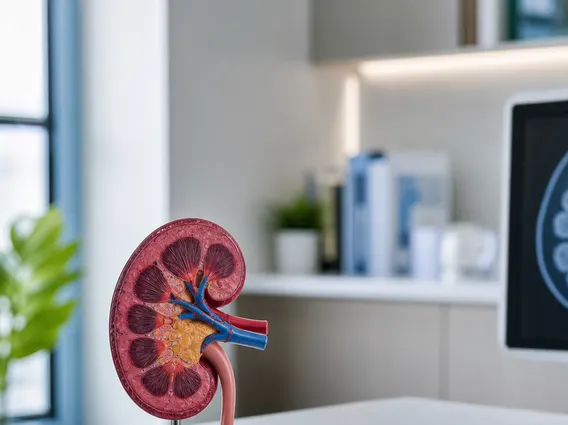
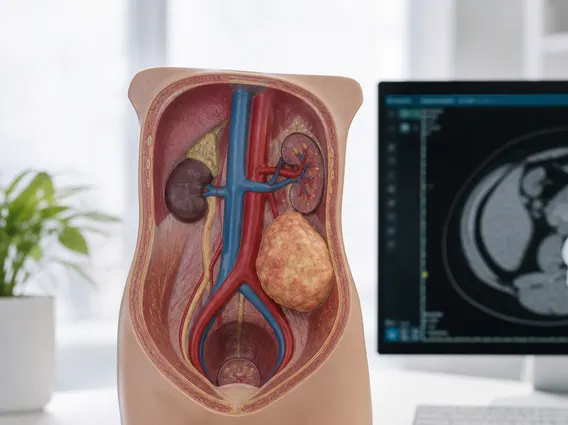
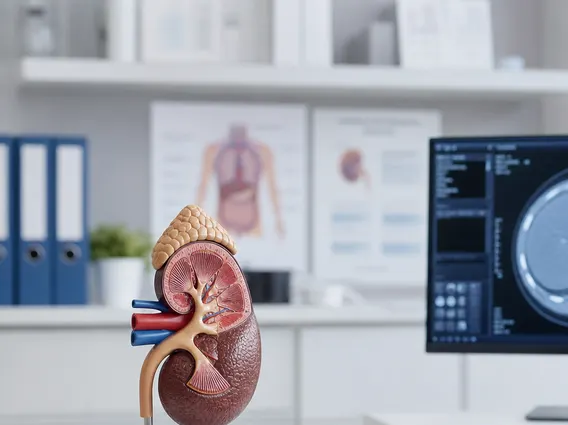
The main components of the urinary system include two kidneys, two ureters, the bladder, and the urethra. The kidneys are bean-shaped organs located on either side of the spine, just below the rib cage. They are the primary filters, processing about 120-150 quarts of blood daily to produce 1-2 quarts of urine. Beyond waste removal, the kidneys also regulate blood pressure, produce hormones that stimulate red blood cell production, and maintain the body’s acid-base balance.
How Does the Human Urinary System Work?
The human urinary system operates through a continuous process of filtration, reabsorption, and excretion to maintain homeostasis. Blood enters the kidneys through the renal arteries, where it is filtered by millions of tiny filtering units called nephrons. Within the nephrons, waste products like urea, creatinine, and uric acid, along with excess water and salts, are separated from essential nutrients and returned to the bloodstream.
The filtered waste and excess water form urine, which then travels from the kidneys through two narrow tubes called ureters. These muscular tubes transport urine to the bladder, a hollow, muscular organ located in the pelvis. The bladder stores urine until it is full, at which point nerve signals are sent to the brain, creating the urge to urinate. Finally, urine exits the body through the urethra, a tube that connects the bladder to the outside.
- Kidneys: Filter blood and produce urine.
- Ureters: Transport urine from kidneys to the bladder.
- Bladder: Stores urine until elimination.
- Urethra: Carries urine from the bladder out of the body.
Common Urinary Conditions and Management
Several conditions can affect the urinary system, leading to various symptoms and requiring medical attention. Understanding urinary tract infections (UTIs) is crucial, as they are among the most common bacterial infections affecting the urinary system. UTIs occur when bacteria, often from the skin or rectum, enter the urethra and infect the urinary tract. Symptoms typically include painful urination, a frequent urge to urinate, cloudy or strong-smelling urine, and pelvic pain. According to the CDC, UTIs account for millions of doctor visits each year in the United States, highlighting their prevalence.
Other common urinary problems and symptoms include kidney stones, which are hard deposits of minerals and salts that form inside the kidneys and can cause severe pain, blood in the urine, and nausea. Urinary incontinence, the involuntary leakage of urine, is another prevalent issue, particularly among older adults. Management for urinary conditions often involves lifestyle changes, medication, or in some cases, surgical intervention. Maintaining good hydration by drinking plenty of water, practicing good hygiene, and seeking prompt medical advice for persistent symptoms are key steps in managing and preventing urinary health issues.