Urinalysis
Urinalysis is a common diagnostic test that examines a urine sample to detect and measure various components. It provides valuable insights into a person’s overall health and can help identify a wide range of medical conditions.
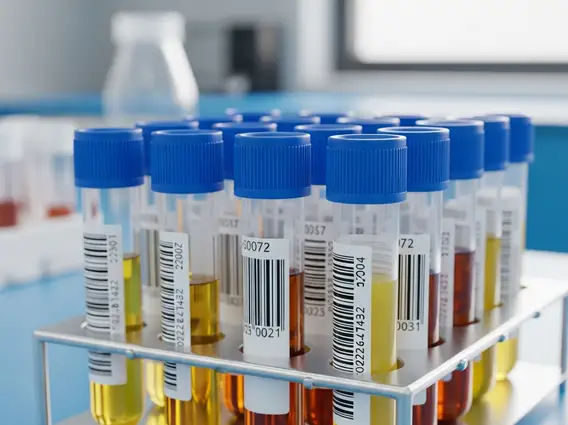
Key Takeaways
- Urinalysis is a routine test that analyzes urine to assess health and detect diseases.
- It helps diagnose kidney disease, urinary tract infections, diabetes, and liver problems.
- The test involves visual inspection, chemical dipstick analysis, and microscopic examination of urine.
- A clean-catch midstream urine sample is typically required for accurate results.
- Results provide crucial information for diagnosis, monitoring, and treatment planning.
What is Urinalysis?
Urinalysis is a comprehensive diagnostic test that involves the physical, chemical, and microscopic examination of a urine sample. It is one of the most common laboratory tests performed, offering a non-invasive way to screen for and diagnose various health conditions. This urinalysis test explained provides a snapshot of a person’s metabolic and kidney function, as well as potential infections or other systemic diseases. The analysis can reveal important information about the urinary system, including the kidneys, bladder, and urethra, as well as other organ systems.
Purpose of Urinalysis
The primary purpose of urinalysis is to aid in the diagnosis, screening, and monitoring of a wide array of medical conditions. It is frequently used as part of a routine medical check-up to screen for asymptomatic diseases. Clinicians may order a urinalysis to investigate symptoms such as abdominal pain, back pain, painful urination, or frequent urination.
Specific conditions that a urinalysis can help identify or monitor include:
- Urinary tract infections (UTIs)
- Kidney diseases (e.g., kidney stones, kidney failure)
- Diabetes (by detecting glucose or ketones in urine)
- Liver diseases (by detecting bilirubin or urobilinogen)
- Dehydration
- Certain metabolic disorders
This test provides crucial information that guides further diagnostic steps or treatment plans.
How a Urinalysis is Performed
Performing a urinalysis typically begins with collecting a urine sample. Patients are usually instructed to provide a “clean-catch” midstream urine sample to minimize contamination from bacteria or cells around the urethra. This involves cleaning the genital area, starting to urinate into the toilet, then collecting the middle portion of the urine stream into a sterile container, and finishing urination into the toilet.
Once collected, the urine sample undergoes three main types of analysis:
- Visual Examination: The lab technician observes the urine’s color, clarity (turbidity), and odor. Abnormal colors can indicate dehydration, certain foods, medications, or blood. Cloudiness might suggest infection or the presence of crystals.
- Chemical Dipstick Analysis: A thin plastic strip with several chemical pads (a dipstick) is dipped into the urine. Each pad changes color in the presence of specific substances, indicating levels of:
- pH (acidity)
- Protein
- Glucose
- Ketones
- Blood
- Nitrites (suggestive of bacterial infection)
- Leukocyte esterase (an enzyme indicating white blood cells, also suggestive of infection)
- Bilirubin and Urobilinogen (indicators of liver function)
- Microscopic Examination: A small amount of the urine sample is spun in a centrifuge to concentrate any solid elements at the bottom. This sediment is then examined under a microscope to identify and count:
- Red blood cells
- White blood cells
- Bacteria, yeast, or parasites
- Casts (tube-shaped proteins formed in the kidneys)
- Crystals
The combination of these analyses provides a comprehensive profile of the urine, aiding healthcare providers in making informed diagnostic and treatment decisions.