Ureteronephrectomy
Ureteronephrectomy is a significant surgical procedure involving the removal of both the kidney and its entire ureter. This operation is typically performed to address specific severe conditions affecting the upper urinary tract.

Key Takeaways
- Ureteronephrectomy is the surgical removal of a kidney and its entire ureter, often including a small cuff of the bladder.
- The primary reasons for this surgery include certain types of cancer, severe kidney damage, and chronic infections.
- The procedure can be performed using open or minimally invasive techniques, depending on the case.
- Recovery involves a hospital stay, pain management, and a gradual return to normal activities over several weeks to months.
- Post-operative care focuses on monitoring kidney function and managing potential complications.
What is Ureteronephrectomy?
Ureteronephrectomy refers to a complex surgical procedure that involves the complete removal of a kidney (nephrectomy) along with its corresponding ureter (the tube that carries urine from the kidney to the bladder). This procedure also typically includes the excision of a small portion of the bladder where the ureter connects, known as a bladder cuff. The primary goal of this extensive surgery is to eradicate diseased tissue, most commonly in cases of malignancy or severe, irreversible damage to the kidney and ureter.
Unlike a simple nephrectomy, which only removes the kidney, ureteronephrectomy is specifically indicated when the pathology extends beyond the kidney itself and involves the ureter, ensuring that all affected tissue is removed to prevent recurrence or further complications. This comprehensive approach is crucial for conditions like upper tract urothelial carcinoma, where cancer cells can spread along the entire lining of the urinary tract.
Reasons for Ureteronephrectomy Surgery
The decision to perform a ureteronephrectomy is made after careful consideration of a patient’s condition, often when less invasive treatments are not viable or have failed. The primary reasons for ureteronephrectomy surgery are typically severe and include various forms of cancer or irreversible damage to the kidney and ureter. These conditions necessitate the complete removal of the affected structures to preserve overall health and prevent disease progression.
Common indications for this surgery include:
- Upper Tract Urothelial Carcinoma (UTUC): This is the most frequent reason, involving cancer of the lining of the renal pelvis (the part of the kidney that collects urine) or the ureter. Complete removal is essential to prevent cancer spread.
- Non-functional Kidney with Reflux or Chronic Infection: In cases where a kidney is severely damaged, non-functional, and associated with persistent vesicoureteral reflux (urine flowing backward from the bladder to the kidney) or recurrent, untreatable infections that also affect the ureter.
- Severe Traumatic Injury: Although less common, irreparable damage to both the kidney and ureter due to trauma might necessitate this procedure.
These conditions often present with symptoms such as hematuria (blood in urine), flank pain, or recurrent urinary tract infections, prompting diagnostic imaging and biopsies to confirm the need for surgery.
The Ureteronephrectomy Procedure and Recovery
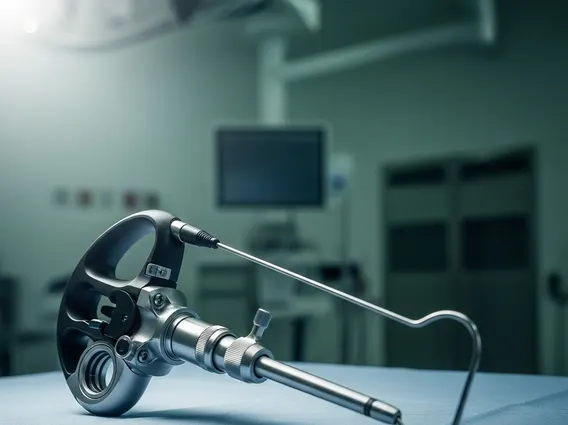
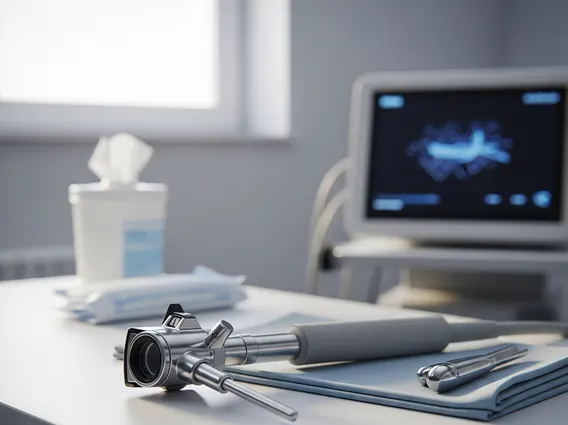
The ureteronephrectomy procedure involves several key steps, which can be performed using either an open surgical approach or minimally invasive techniques (laparoscopic or robotic-assisted). In an open procedure, a larger incision is made in the abdomen or flank to access and remove the kidney and ureter. Minimally invasive methods involve several small incisions through which specialized instruments and a camera are inserted, offering benefits like reduced pain and faster initial recovery.
During the surgery, the affected kidney and its entire ureter are carefully dissected and removed. A crucial step involves excising a cuff of bladder tissue around the ureteral orifice to ensure complete removal of any potentially cancerous cells that might have spread to this area. The remaining healthy kidney (if present) takes over the function of filtering blood and producing urine. Patients typically remain in the hospital for several days post-surgery for pain management and monitoring.
The ureteronephrectomy recovery time varies significantly among individuals, depending on the surgical approach, overall health, and the extent of the procedure. Generally, patients can expect a hospital stay of 3-7 days. Full recovery, including a return to normal activities and exercise, often takes 4-8 weeks for minimally invasive surgery and potentially longer, up to 2-3 months, for open surgery. During this period, patients are advised to avoid heavy lifting and strenuous activities. Follow-up appointments are crucial to monitor healing, kidney function, and to screen for any signs of recurrence, particularly in cancer cases.