
Upper Gastrointestinal Series
An Upper Gastrointestinal Series is a diagnostic imaging procedure used to examine the upper part of the digestive system, including the esophagus, stomach, and the first part of the small intestine (duodenum). This test helps identify various conditions affecting these organs.
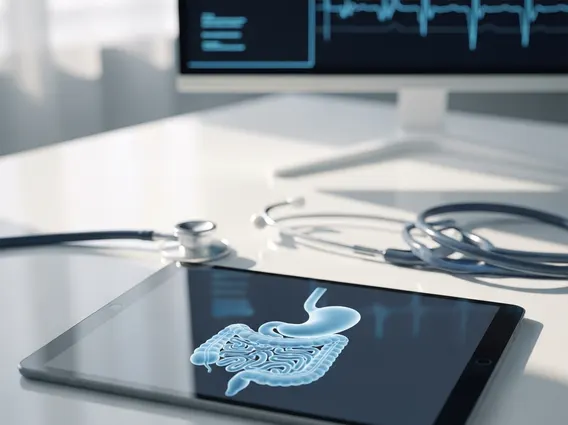
Key Takeaways
- An Upper Gastrointestinal Series (UGIS) uses X-rays and a barium contrast material to visualize the esophagus, stomach, and duodenum.
- It is a crucial diagnostic tool for identifying conditions such as ulcers, inflammation, tumors, and structural abnormalities in the upper GI tract.
- Preparation typically involves fasting for several hours before the procedure to ensure clear imaging.
- During the procedure, patients drink a barium solution while a radiologist takes a series of X-rays.
- Results are interpreted by a radiologist and shared with the referring physician to guide further treatment or management.
What is an Upper Gastrointestinal Series (UGIS)?
An Upper Gastrointestinal Series (UGIS) refers to a specialized X-ray examination that provides detailed images of the esophagus, stomach, and duodenum. This procedure utilizes a contrast material, typically barium, which the patient drinks. Barium coats the lining of these organs, making them visible on X-ray images and allowing the radiologist to observe their shape, movement, and any abnormalities.
The primary purpose of an UGIS is to diagnose the causes of symptoms such as difficulty swallowing, unexplained vomiting, abdominal pain, acid reflux, or blood in the stool. It can help detect a range of conditions, including ulcers, inflammation (esophagitis, gastritis), tumors, polyps, hiatal hernias, strictures (narrowing), and motility disorders. According to the American College of Radiology, UGIS remains a valuable tool, often complemented by endoscopy, for a comprehensive assessment of upper GI health.
The Upper GI Series Procedure Explained
The procedure for an upper GI series procedure explained involves several steps, typically lasting between 30 minutes to an hour. Patients are usually asked to change into a hospital gown and remove any metal objects that might interfere with the X-ray images. The patient then stands or lies on an X-ray table, which may be tilted at various angles during the examination.
The core of the procedure involves drinking a thick, chalky liquid containing barium. As the patient swallows the barium, the radiologist takes a series of X-rays to capture images of the barium moving through the esophagus, stomach, and duodenum. The radiologist may also press on the abdomen to spread the barium and get better views of the organ linings. In some cases, a “double-contrast” study might be performed, where the patient also swallows effervescent granules to produce gas, which helps distend the organs and provides an even clearer view of the mucosal lining. This combination allows for the detection of subtle abnormalities that might otherwise be missed.
Preparing for Your UGIS and Understanding Results
Knowing how to prepare for upper gi series is crucial for obtaining clear and accurate diagnostic images. Patients are typically instructed to fast for several hours before the procedure, meaning no food or drink (including water) for at least 6 to 8 hours prior. This ensures the stomach is empty, allowing the barium to coat the lining effectively without interference from food particles. It is also important to inform the healthcare provider about any medications being taken, as some may need to be temporarily stopped. Additionally, patients should disclose any allergies, especially to contrast materials, and inform the doctor if there is a possibility of pregnancy.
After the procedure, patients can usually resume normal activities and diet. It is common for stool to appear white or light-colored for a day or two due to the barium. Drinking plenty of fluids is recommended to help flush the barium from the digestive system and prevent constipation. The upper gastrointestinal series results are typically interpreted by a radiologist, who will then send a report to the referring physician. The physician will then discuss the findings with the patient, explaining any abnormalities detected, such as ulcers, inflammation, or structural issues, and outlining the next steps for treatment or further investigation.



















