Upper Gastrointestinal Endoscopy
Upper Gastrointestinal Endoscopy is a common diagnostic and therapeutic procedure used to visualize the upper part of the digestive system. This article provides a comprehensive overview of the procedure, its indications, and what to expect during preparation and recovery.
Key Takeaways
- Upper Gastrointestinal Endoscopy (EGD) is a procedure to examine the lining of the esophagus, stomach, and duodenum.
- It is used to diagnose and treat various conditions causing symptoms like difficulty swallowing, heartburn, or unexplained bleeding.
- Preparation involves fasting, and the procedure is typically performed under sedation.
- Recovery is usually short, but patients require assistance due to the effects of sedation.
- EGD is a safe and effective tool for evaluating upper GI health.
What is Upper Gastrointestinal Endoscopy (EGD)?
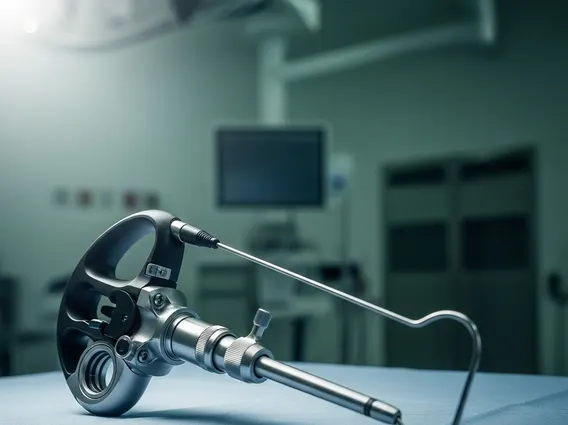
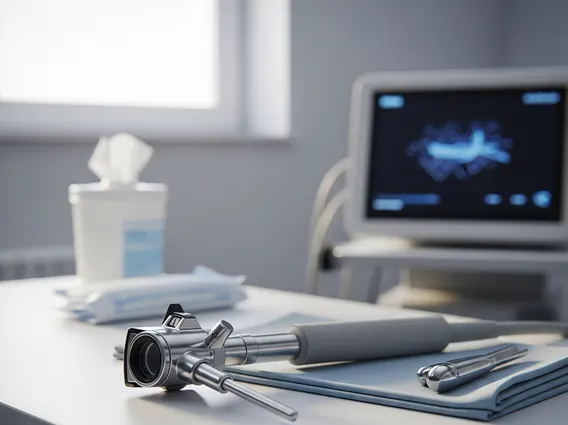
Upper Gastrointestinal Endoscopy (EGD) is a medical procedure that allows a doctor to view the lining of the esophagus, stomach, and the first part of the small intestine (duodenum). This is achieved using an endoscope, a thin, flexible tube with a light and camera at its tip. The endoscope is gently passed through the mouth and throat into the upper digestive tract, transmitting images to a video screen. The primary purpose of an EGD is to diagnose and sometimes treat conditions affecting these organs. It provides a detailed visual examination that imaging tests like X-rays cannot offer, enabling the physician to identify inflammation, ulcers, polyps, or other abnormalities. Biopsies can also be taken during the procedure for further microscopic analysis.
Reasons for an Upper GI Endoscopy
There are several reasons for upper endoscopy, both diagnostic and therapeutic. Physicians often recommend this procedure to investigate symptoms that suggest an issue in the upper digestive tract.
Common diagnostic indications include:
- Persistent heartburn or gastroesophageal reflux disease (GERD) that doesn’t respond to medication.
- Difficulty swallowing (dysphagia) or painful swallowing (odynophagia).
- Unexplained persistent nausea, vomiting, or abdominal pain.
- Gastrointestinal bleeding, which may manifest as black, tarry stools (melena) or vomiting blood (hematemesis).
- Unexplained weight loss or anemia.
- Screening for certain conditions, such as Barrett’s esophagus in patients with chronic GERD.
Therapeutically, an EGD can be used to remove polyps or foreign objects, control bleeding from ulcers or varices, dilate narrowed areas (strictures) of the esophagus, or place feeding tubes. According to the American Society for Gastrointestinal Endoscopy (ASGE), EGD is a highly effective tool for diagnosing and managing a wide range of upper GI conditions.
Upper Endoscopy Procedure, Preparation, and Recovery
Understanding the upper gi endoscopy procedure explained can help patients feel more prepared. Before the procedure, patients receive specific instructions regarding upper endoscopy preparation and recovery.
Preparation
Typically, patients are required to fast for at least 6-8 hours before the procedure, meaning no food or drink. This ensures the stomach is empty, allowing for a clear view and reducing the risk of aspiration. Patients should also inform their doctor about all medications they are taking, as some, like blood thinners, may need to be adjusted or temporarily stopped.
Procedure
Upon arrival, an intravenous (IV) line will be inserted, and a sedative will be administered to help the patient relax and minimize discomfort. A local anesthetic spray may also be applied to the throat. The patient will lie on their side, and a mouth guard will be placed to protect the teeth and endoscope. The endoscope is then gently guided through the mouth, esophagus, stomach, and into the duodenum. The procedure usually takes 15-30 minutes, during which the doctor carefully examines the lining of these organs and performs any necessary biopsies or interventions.
Recovery
After the procedure, patients are monitored in a recovery area until the effects of the sedative wear off. They may experience a sore throat, bloating, or gas, which are usually mild and temporary. Due to the sedation, patients cannot drive, operate machinery, or make important decisions for the rest of the day. It is essential to have a responsible adult accompany them home. Most patients can resume their normal diet and activities the following day, unless otherwise instructed by their physician.