Seminal Vesicle Biopsy
A Seminal Vesicle Biopsy is a medical procedure performed to examine tissue from the seminal vesicles, glands that produce fluid contributing to semen. This diagnostic tool helps identify various conditions affecting these crucial reproductive organs.
Key Takeaways
- Seminal Vesicle Biopsy is a diagnostic procedure to collect tissue samples from the seminal vesicles.
- It is typically performed to investigate abnormalities detected through imaging or symptoms like hematospermia.
- The procedure involves transrectal ultrasound guidance to ensure precise tissue collection.
- Potential risks include bleeding, infection, and temporary discomfort.
- Recovery is generally straightforward, with specific post-procedure care instructions.
What is a Seminal Vesicle Biopsy?
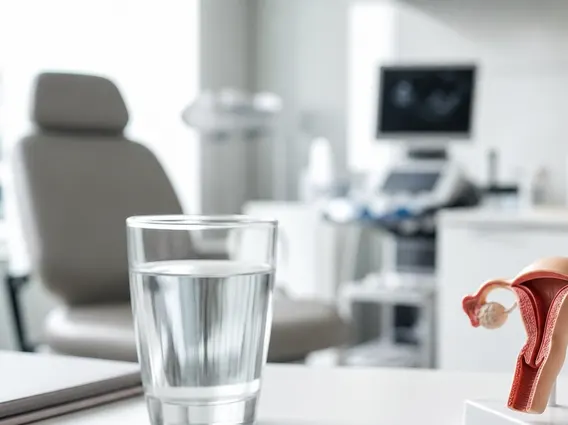
A seminal vesicle biopsy is a diagnostic medical procedure involving the extraction of a small tissue sample from one or both seminal vesicles. These are a pair of glands located behind the bladder and above the prostate gland in males, responsible for producing a significant portion of the fluid that makes up semen. The collected tissue is then sent to a pathology lab for microscopic examination. This examination helps clinicians identify cellular abnormalities, inflammation, or the presence of cancerous cells that might not be detectable through imaging alone. The procedure is typically performed under local anesthesia, often with sedation, to ensure patient comfort.
Reasons and Process of Seminal Vesicle Biopsy
The primary reasons for seminal vesicle biopsy include investigating suspicious findings from imaging studies, such as transrectal ultrasound (TRUS) or magnetic resonance imaging (MRI), or persistent symptoms like hematospermia (blood in semen) without an obvious cause. It can also be performed to evaluate for potential involvement of the seminal vesicles in cases of prostate cancer or other pelvic malignancies. The seminal vesicle biopsy procedure explained involves several key steps. First, the patient is typically positioned on their side or back. Local anesthesia is administered, and often intravenous sedation is provided. A transrectal ultrasound probe is inserted into the rectum to visualize the seminal vesicles. Under continuous ultrasound guidance, a thin needle is advanced through the rectal wall into the seminal vesicle to obtain tissue cores. Multiple samples may be taken to ensure adequate tissue for diagnosis. The entire procedure usually takes about 15-30 minutes.
- Indications for Biopsy:
- Persistent hematospermia of unknown origin.
- Abnormalities on imaging (e.g., cysts, masses, calcifications).
- Evaluation of seminal vesicle involvement in prostate cancer staging.
- Suspected inflammatory conditions or infections not responding to standard treatment.
Risks and Recovery After Seminal Vesicle Biopsy
Understanding the seminal vesicle biopsy risks and recovery is crucial for patients undergoing this procedure. While generally safe, potential risks include bleeding, which may manifest as blood in urine, stool, or semen (hematuria, hematochezia, hematospermia), typically resolving within a few days. Infection is another risk, though less common, and patients are often prescribed prophylactic antibiotics. Other potential complications include temporary discomfort or pain at the biopsy site, swelling, or rarely, injury to adjacent organs. Serious complications are infrequent.
Recovery after a Seminal Vesicle Biopsy is usually straightforward. Patients are typically monitored for a short period post-procedure before being discharged. They are advised to avoid strenuous activities for 24-48 hours. Mild pain can be managed with over-the-counter pain relievers. It is common to experience some blood in the semen for several weeks following the biopsy, which is generally not a cause for concern unless it is excessive or persistent. Patients should contact their healthcare provider if they experience fever, severe pain, difficulty urinating, or heavy bleeding. Follow-up appointments are scheduled to discuss the biopsy results and determine the next steps in treatment or management.