Cystourethrectomy
Cystourethrectomy is a complex surgical procedure primarily performed to treat certain types of cancer affecting the bladder and urethra. This extensive operation involves the removal of these organs to prevent disease progression and improve patient outcomes.

Key Takeaways
- Cystourethrectomy involves the complete removal of the bladder and urethra, typically for cancer treatment.
- It is a major surgery often necessitated by invasive bladder or urethral cancer.
- The procedure requires the creation of a new way for urine to exit the body, known as urinary diversion.
- Recovery is a multi-stage process focusing on healing, managing pain, and adapting to urinary diversion.
- Long-term follow-up and support are crucial for patients undergoing this significant surgery.
What is Cystourethrectomy?
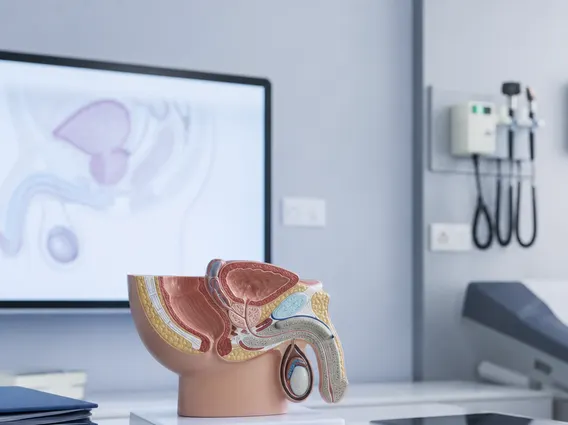
Cystourethrectomy is a comprehensive surgical procedure that involves the complete removal of the urinary bladder (cystectomy) and the urethra (urethrectomy). This operation is typically performed to treat aggressive or recurrent cancers of the bladder or urethra that have not responded to less invasive treatments, or when the cancer is extensive. The goal of this significant intervention is to remove all cancerous tissue and prevent its spread to other parts of the body.
Following the removal of the bladder and urethra, a new pathway for urine to exit the body, known as urinary diversion, must be created. This can involve various methods, such as an ileal conduit (where a segment of the small intestine is used to create a stoma on the abdomen for urine collection in an external bag) or the creation of an internal neobladder (a new bladder constructed from a segment of intestine placed inside the body, allowing for more natural voiding). The choice of urinary diversion depends on several factors, including the patient’s overall health, cancer stage, and lifestyle considerations. The entire cystourethrectomy surgical procedure is a complex undertaking, requiring skilled surgical teams and extensive pre- and post-operative care.
Reasons for Cystourethrectomy Surgery
The primary reasons for cystourethrectomy surgery are related to the treatment of advanced or high-risk cancers of the urinary system. This radical surgery is often considered when:
- Invasive Bladder Cancer: The cancer has invaded the muscle wall of the bladder (muscle-invasive bladder cancer) and has a high risk of spreading. According to the American Cancer Society, about 25% of bladder cancers are muscle-invasive at diagnosis.
- High-Grade or Recurrent Non-Muscle-Invasive Bladder Cancer: Despite initial treatments like transurethral resection and intravesical therapy, the cancer is high-grade, multifocal, or frequently recurs, indicating a high risk of progression to muscle-invasive disease.
- Urethral Cancer: Cancer originates in or has spread to the urethra, especially if it is invasive or recurrent.
- Extensive Carcinoma In Situ (CIS): A severe form of non-invasive cancer that covers a large area of the bladder lining and does not respond to other treatments.
- Prophylactic Removal: In rare cases, it may be considered for individuals with certain genetic syndromes or conditions that carry an extremely high risk of developing aggressive bladder or urethral cancer.
This procedure aims to achieve complete tumor removal and improve long-term survival rates for patients facing these challenging diagnoses.
Recovery After Cystourethrectomy
Recovery from cystourethrectomy is a significant process that requires time, patience, and dedicated medical support. Immediately after the surgery, patients typically spend several days in the hospital for pain management, monitoring for complications, and initial education on managing their urinary diversion. The initial phase of recovery focuses on healing the surgical wounds, managing pain with medication, and preventing infections.
Key aspects of the recovery period include:
- Pain Management: Post-operative pain is common and managed with prescribed medications, gradually decreasing in intensity over weeks.
- Urinary Diversion Care: Patients learn how to manage their new urinary diversion system, whether it’s caring for a stoma and changing an ostomy bag (for ileal conduit) or learning techniques for voiding with a neobladder. This education is crucial for maintaining quality of life.
- Activity Restrictions: Strenuous activities, heavy lifting, and certain exercises are restricted for several weeks to months to allow internal and external incisions to heal properly.
- Dietary Adjustments: A gradual return to a normal diet is advised, often starting with clear liquids and progressing to solid foods as tolerated.
- Follow-up Appointments: Regular follow-up appointments with the surgical team and oncologist are essential to monitor healing, check for complications, and screen for any recurrence of cancer.
Full recovery can take several months, during which patients gradually regain strength and adapt to their new body functions. Psychological support and patient support groups can also play a vital role in helping individuals adjust to the physical and emotional changes associated with this major surgery.