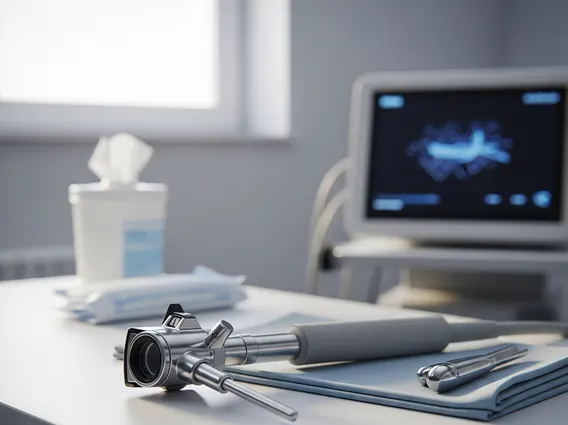
Cystoscope
A cystoscope is a crucial medical instrument used to examine the bladder and urethra. This procedure, known as cystoscopy, allows healthcare professionals to diagnose and treat various conditions affecting the urinary tract.
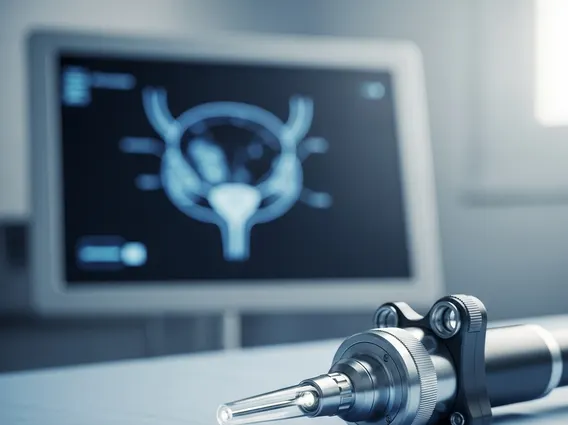
Key Takeaways
- A cystoscope is a thin, lighted tube with a camera, used to visualize the inside of the bladder and urethra.
- Cystoscopy helps investigate symptoms like blood in urine and frequent infections, and diagnose conditions such as bladder stones, tumors, and inflammation.
- The procedure involves inserting the cystoscope into the urethra and advancing it into the bladder for direct visual inspection.
- Flexible and rigid cystoscopes serve different diagnostic and therapeutic purposes.
- While generally safe, cystoscopy carries minor risks like discomfort or infection, but offers significant benefits for accurate diagnosis and treatment.
What is a Cystoscope?
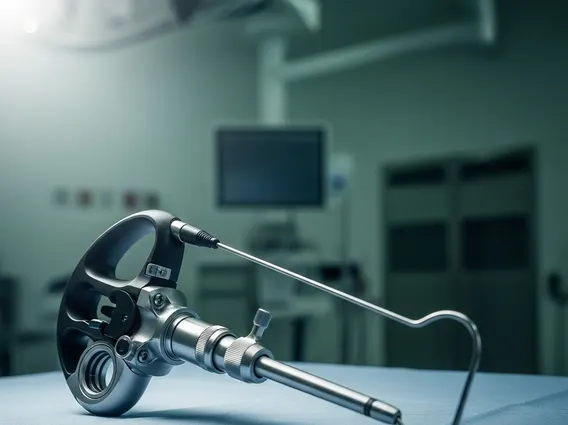
A Cystoscope is a medical instrument comprising a thin, lighted tube equipped with a camera or eyepiece, designed for direct visualization of the bladder and urethra’s interior. This specialized endoscope enables urologists to inspect the urinary tract lining, identifying abnormalities not always detectable by other imaging methods. The instrument is carefully inserted into the urethra and advanced into the bladder, providing real-time images to the physician.
The primary function of a cystoscope is to facilitate cystoscopy, a procedure vital for diagnosing and monitoring a range of urological conditions. Its design supports both diagnostic examination and minor surgical interventions, such as taking biopsies or removing small stones. This technology has significantly enhanced the precision and safety of urinary tract examinations, establishing it as a cornerstone of modern urological practice.
Cystoscopy Procedure: Uses and How It Works
The cystoscopy procedure is a vital diagnostic and therapeutic tool in urology. It is used for a variety of purposes, including investigating symptoms, diagnosing conditions, and performing minor treatments.
Common reasons for which a cystoscope is used include:
- Investigating causes of blood in the urine (hematuria).
- Diagnosing and monitoring bladder cancer.
- Identifying bladder stones or foreign bodies.
- Evaluating recurrent urinary tract infections (UTIs).
- Assessing conditions causing painful urination or bladder control problems.
- Treating certain conditions, such as removing small polyps or injecting medication.
The procedure typically begins with the patient lying on their back. A local anesthetic gel is often applied to the urethra to minimize discomfort. The physician then carefully inserts the lubricated cystoscope into the urethra and gently advances it into the bladder. Sterile fluid, usually saline, is instilled into the bladder to distend it, allowing for a clearer view of the bladder wall. Images are transmitted to a monitor, enabling the urologist to thoroughly examine the urethra and bladder lining. The entire process usually takes between 5 to 30 minutes, depending on whether any interventions are performed.
Types of Cystoscopes, Risks, and Benefits
Understanding the different types of cystoscopes and the associated risks and benefits of the examination is crucial for patients.
There are primarily two types of cystoscopes and their uses vary based on specific needs:
- Flexible Cystoscopes: These are thinner and pliable, often used for diagnostic purposes and routine follow-up. They are generally less uncomfortable and can be performed with local anesthesia in an outpatient setting.
- Rigid Cystoscopes: These are straight, hollow tubes providing a wider field of view and allowing for the passage of instruments for biopsies, stone removal, or other surgical procedures. Rigid cystoscopy may require regional or general anesthesia, especially for therapeutic interventions.
While generally safe, a cystoscope examination carries some potential risks and benefits.
Potential risks of a cystoscope examination include:
- Urinary Tract Infection (UTI): This is the most common complication, occurring in about 1-5% of patients, often managed with antibiotics if symptoms arise (Source: American Urological Association).
- Discomfort or Pain: Patients may experience mild discomfort, burning during urination, or a frequent urge to urinate for a day or two post-procedure.
- Bleeding: Small amounts of blood in the urine are common after cystoscopy, but significant bleeding is rare.
- Urethral Injury: Though uncommon, there is a slight risk of damage to the urethra, potentially requiring further treatment.
The benefits of a cystoscope examination are significant, providing invaluable information for diagnosis and treatment planning:
- Accurate Diagnosis: Allows for direct visualization, leading to precise identification of conditions like tumors, stones, or inflammation.
- Targeted Treatment: Enables immediate intervention for certain conditions, such as biopsy collection or removal of small abnormalities.
- Monitoring: Essential for surveillance of conditions like bladder cancer, aiding early recurrence detection.
- Minimally Invasive: Compared to open surgery, cystoscopy is a minimally invasive procedure with a quicker recovery.
This information is for supportive purposes only and does not replace professional medical advice or treatment. Always consult with a qualified healthcare provider for diagnosis and treatment of any medical condition.