Cystitis
Cystitis is a common medical condition characterized by inflammation of the bladder, often leading to discomfort and various urinary symptoms. It is a type of urinary tract infection (UTI) that can affect individuals of all ages.
Key Takeaways
- Cystitis is inflammation of the bladder, most frequently caused by bacterial infection.
- Common symptoms include painful urination, frequent urges, and lower abdominal discomfort.
- Causes are often bacterial, with E. coli being the most common culprit, entering the urethra and ascending to the bladder.
- Prevention involves good hygiene, adequate hydration, and prompt urination.
- Home treatments can alleviate symptoms, but medical consultation is essential for proper diagnosis and antibiotic treatment if bacterial.
What is Cystitis?
Cystitis refers to the inflammation of the bladder, a condition that can cause significant discomfort and impact daily life. While often associated with bacterial infections, it can also stem from non-infectious causes, such as reactions to certain medications, radiation therapy, or irritation from chemical products. It is one of the most common types of urinary tract infections (UTIs), particularly prevalent among women due to their shorter urethras, which provide an easier pathway for bacteria to reach the bladder. According to the National Institute of Diabetes and Digestive and Kidney Diseases (NIDDK), UTIs account for more than 8.1 million doctor visits each year, with cystitis being a primary component of these infections.
Cystitis Symptoms, Causes, and Prevention
Understanding the manifestations and origins of this condition is crucial for effective management and avoidance. The presentation of cystitis symptoms and causes can vary, but certain signs are commonly reported, indicating bladder inflammation.
Common Symptoms of Cystitis:
- A strong, persistent urge to urinate
- A burning sensation during urination (dysuria)
- Passing frequent, small amounts of urine
- Blood in the urine (hematuria)
- Cloudy or strong-smelling urine
- Pelvic discomfort or pressure in the lower abdomen
- Low-grade fever (though not always present)
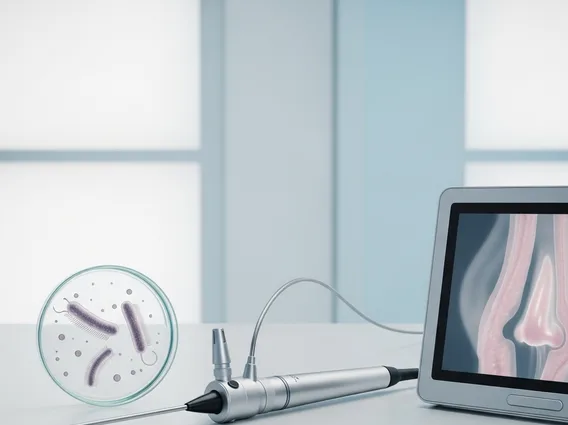
The primary cause of cystitis is a bacterial infection, most commonly by Escherichia coli (E. coli), which typically resides in the gastrointestinal tract. These bacteria can enter the urethra and travel upwards to the bladder, where they multiply and cause inflammation. Other less common causes include certain sexually transmitted infections, chemical irritants (like those found in some hygiene products), or as a complication of other medical conditions such as kidney stones or diabetes.
Implementing effective cystitis prevention tips can significantly reduce the risk of developing this uncomfortable condition. These strategies focus on maintaining good urinary tract health and minimizing bacterial entry. Key recommendations include drinking plenty of fluids, especially water, to help flush bacteria from the urinary tract, and urinating frequently to empty the bladder completely. Practicing proper hygiene, such as wiping from front to back after bowel movements, is crucial to prevent bacteria from spreading to the urethra. Additionally, taking showers instead of baths, avoiding irritating feminine products like douches or scented powders, and urinating soon after sexual intercourse can all contribute to prevention.
How to Treat Cystitis at Home
While medical consultation is essential for a proper diagnosis and treatment, especially for bacterial infections requiring antibiotics, several strategies can help manage symptoms and provide relief when considering how to treat cystitis at home. These home remedies are supportive measures and should not replace prescribed medical treatment.
Key home care approaches include: increasing fluid intake by drinking plenty of water to help flush bacteria and dilute urine, which can reduce pain during urination. For pain relief, over-the-counter medications such as ibuprofen or acetaminophen can alleviate bladder discomfort, and applying a warm compress or heating pad to the lower abdomen can provide soothing relief. It is also advisable to avoid irritants like coffee, alcohol, carbonated drinks, citrus juices, and spicy foods, as these can exacerbate bladder symptoms. Finally, ensuring adequate rest supports the body’s natural healing processes.
It is crucial to remember that if symptoms persist or worsen, or if you develop a fever, back pain, or blood in your urine, immediate medical attention is necessary. These could be signs of a more severe infection, such as a kidney infection. Information regarding alternative or complementary therapies is for supportive purposes only and does not replace professional medical diagnosis or treatment.