Toxin
A Toxin, in a medical and clinical context, refers to a poisonous substance produced by living organisms, capable of causing disease or death when introduced into the body. Understanding these substances is crucial for public health and clinical management.

Key Takeaways
- A Toxin is a naturally produced poisonous substance that can harm living organisms.
- Toxins are broadly categorized by their source, including biological, environmental, and synthetic origins.
- Exposure to Toxins can lead to a range of health effects, from mild irritation to severe organ damage and death.
- The body possesses natural detoxification mechanisms, but excessive exposure can overwhelm these systems.
- Awareness of common Toxin sources and their effects is vital for prevention and health protection.
What is a Toxin?
A Toxin refers to a poisonous substance produced within living cells or organisms. These substances are naturally occurring and can range from small molecules to proteins, exerting harmful effects on biological systems. In a broader clinical sense, while the term “toxin” strictly applies to biologically produced poisons, it is often used interchangeably with “toxicant” to describe any substance, natural or synthetic, that can cause adverse health effects upon exposure. The impact of a Toxin depends on various factors, including the dose, duration of exposure, and the individual’s susceptibility.
Toxins interfere with normal physiological processes, often by binding to specific cellular components or enzymes, thereby disrupting their function. This disruption can lead to cellular damage, organ dysfunction, and systemic illness. The study of Toxins, known as toxicology, is essential for understanding disease mechanisms, developing antidotes, and establishing safety guidelines for various substances in our environment.
Types of Toxins and Their Sources
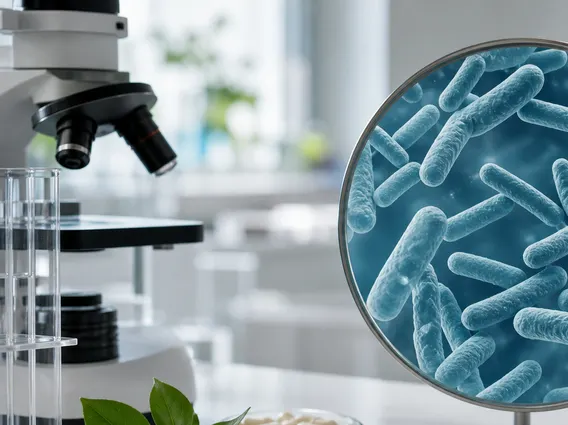
There are numerous types of toxins, classified primarily by their origin and chemical structure. These substances can originate from various biological sources, including bacteria, fungi, plants, and animals, as well as from environmental contaminants. Understanding these classifications helps in identifying potential exposure risks and developing targeted interventions.
Here are some categories of Toxins and their common sources:
| Toxin Type | Description | Examples & Sources |
|---|---|---|
| Bacterial Toxins | Produced by bacteria, often causing disease symptoms. | Botulinum toxin (Clostridium botulinum), Tetanus toxin (Clostridium tetani), Cholera toxin (Vibrio cholerae) |
| Fungal Toxins (Mycotoxins) | Produced by certain fungi, often found in contaminated food. | Aflatoxins (Aspergillus species in nuts/grains), Ochratoxin A (Penicillium, Aspergillus in cereals/coffee) |
| Plant Toxins (Phytotoxins) | Naturally occurring compounds in plants, often for defense. | Ricin (castor beans), Cyanogenic glycosides (cassava), Solanine (potatoes, nightshade family) |
| Animal Toxins (Zootoxins) | Poisons produced by animals, typically for predation or defense. | Snake venom, Spider venom (e.g., black widow, brown recluse), Scorpion venom, Pufferfish toxin (tetrodotoxin) |
| Algal Toxins (Phycotoxins) | Produced by certain algae, often accumulating in shellfish. | Saxitoxin (paralytic shellfish poisoning), Brevetoxin (neurotoxic shellfish poisoning) |
These natural toxins examples highlight the diversity of harmful substances found in nature. Beyond these biological origins, environmental pollutants, although technically toxicants, are often discussed alongside toxins due to their similar adverse effects on human health. These can include heavy metals like lead and mercury, pesticides, and industrial chemicals, which enter the body through ingestion, inhalation, or skin contact.
How Toxins Affect the Body
Toxins affect the body by interfering with normal cellular and physiological processes, leading to a wide range of health consequences. The specific effects depend on the type of Toxin, the dose, the route of exposure, and individual factors such as age, genetics, and overall health. Upon entry, Toxins can be distributed throughout the body, targeting specific organs or systems.
The mechanisms by which Toxins exert their effects are diverse. Some Toxins directly damage cells by disrupting cell membranes or interfering with metabolic pathways, leading to cell death. Others may bind to receptors, altering nerve transmission or hormonal balance. For instance, neurotoxins specifically target the nervous system, potentially causing paralysis, seizures, or cognitive impairment. Hepatotoxins affect the liver, leading to inflammation or liver failure, while nephrotoxins damage the kidneys. Chronic exposure to certain Toxins can also contribute to long-term health issues, including cancer, developmental disorders, and autoimmune diseases.
The body possesses natural detoxification systems, primarily involving the liver and kidneys, which work to metabolize and eliminate harmful substances. However, when Toxin exposure is high, prolonged, or involves particularly potent substances, these natural defenses can be overwhelmed, leading to significant health complications. According to the World Health Organization (WHO), environmental factors, including exposure to various harmful substances, contribute to a substantial portion of global disease burden, emphasizing the widespread impact of such exposures on human health.