Torso
The torso, also known as the trunk, is the central part of the human body, encompassing the chest, abdomen, and pelvis. It is a vital anatomical region that houses and protects many of the body’s essential organs and provides structural support.
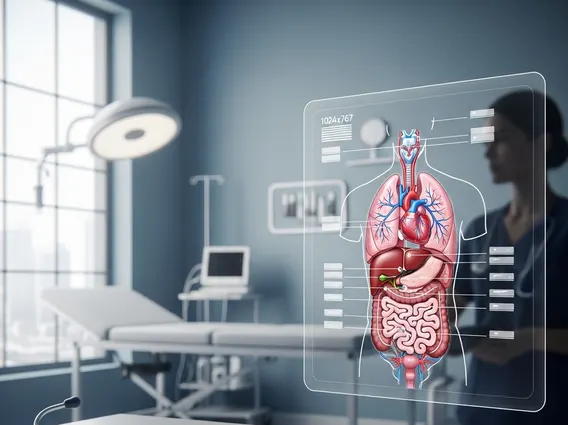
Key Takeaways
- The Torso is the central part of the human body, comprising the chest, abdomen, and pelvis.
- It provides structural support and houses critical organ systems for life functions.
- Key anatomical divisions include the thoracic, abdominal, and pelvic cavities.
- Major organs within the torso include the heart, lungs, liver, stomach, intestines, and reproductive organs.
- The torso facilitates respiration, digestion, circulation, reproduction, and movement.
What is the Torso?
The Torso refers to the main part of the human body, excluding the head, neck, and limbs. It forms the core structure, connecting the upper and lower extremities and serving as the central hub for most vital physiological processes. This complex region is crucial for maintaining life, providing both protection and functional space for numerous organ systems.
Understanding what is the human torso involves recognizing its role as a protective casing for delicate internal organs while also acting as the primary anchor for muscle attachment, enabling a wide range of movements. It is broadly divided into the thoracic (chest), abdominal, and pelvic regions, each containing specific organs and structures essential for survival.
Anatomy and Major Organs of the Torso
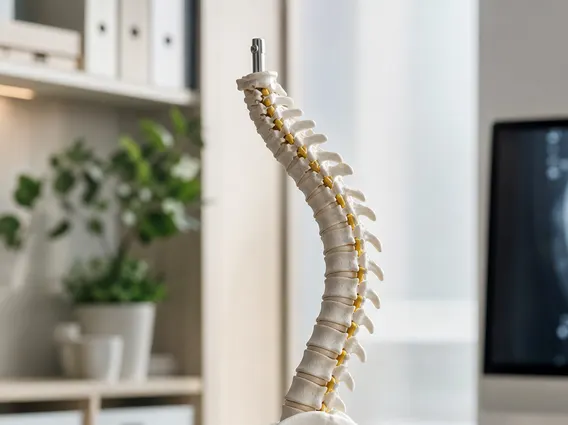
The Anatomy of the human torso is intricate, comprising a skeletal framework (rib cage, vertebral column, pelvis), muscles, and several internal cavities. These cavities house the Major organs in the human torso, which are responsible for critical bodily functions. The primary cavities are:
- Thoracic Cavity: Located in the chest, it is protected by the rib cage. It contains the heart, lungs, esophagus, and trachea. The diaphragm separates it from the abdominal cavity.
- Abdominal Cavity: Situated below the thoracic cavity, it houses organs vital for digestion and metabolism. These include the stomach, liver, gallbladder, pancreas, spleen, small intestine, and most of the large intestine.
- Pelvic Cavity: The lowest part of the torso, protected by the pelvic bones. It contains the bladder, rectum, and reproductive organs (uterus and ovaries in females; prostate gland and seminal vesicles in males).
Each organ within these cavities plays a distinct and crucial role, working in concert to maintain homeostasis and overall bodily function. The arrangement and protection offered by the torso’s structure are paramount for their proper operation.
Functions of the Human Torso
The Functions of the human torso are diverse and fundamental to life. Its primary roles include providing structural support, protecting vital organs, and facilitating various physiological processes. The torso’s robust skeletal and muscular framework supports the body’s weight and allows for movement and posture maintenance.
Beyond structural support, the torso is central to several life-sustaining systems:
- Respiration: The lungs within the thoracic cavity facilitate the exchange of oxygen and carbon dioxide.
- Circulation: The heart pumps blood throughout the body, delivering oxygen and nutrients and removing waste products.
- Digestion and Metabolism: Organs in the abdominal cavity process food, absorb nutrients, and eliminate waste.
- Reproduction: The pelvic cavity houses the reproductive organs essential for procreation.
- Excretion: The kidneys (located retroperitoneally, behind the abdominal cavity) filter waste from the blood, and the bladder stores urine for elimination.
These integrated functions highlight the torso’s indispensable role in human physiology, making it a complex and critical region of the body.