Thoracic Surgical Oncologist
A Thoracic Surgical Oncologist is a highly specialized medical professional dedicated to the diagnosis, surgical treatment, and management of cancers and other malignant conditions affecting the chest cavity.
Key Takeaways
- A Thoracic Surgical Oncologist specializes in surgically treating cancers of the lungs, esophagus, mediastinum, and chest wall.
- Their responsibilities include diagnosis, performing complex surgical procedures, and collaborating with multidisciplinary oncology teams.
- This specialty requires extensive training in both general surgery and thoracic surgery, followed by a fellowship in surgical oncology.
- They play a critical role in improving patient outcomes for thoracic malignancies through advanced surgical techniques and comprehensive care.
What is a Thoracic Surgical Oncologist?
A Thoracic Surgical Oncologist is a physician who has undergone extensive training to become an expert in the surgical management of cancers within the chest. This includes malignancies of the lungs, esophagus, trachea, mediastinum (the area between the lungs), and the chest wall. Their primary focus is on removing cancerous tumors and surrounding affected tissues, often employing advanced techniques to preserve organ function and improve patient prognosis.
This highly specialized field demands a deep understanding of thoracic anatomy, physiology, and the complex nature of various thoracic cancers. They work closely with other specialists, such as medical oncologists, radiation oncologists, pulmonologists, and pathologists, as part of a multidisciplinary team to develop comprehensive treatment plans tailored to each patient’s specific condition.
Key Responsibilities of a Thoracic Surgical Oncologist
The Thoracic surgical oncologist job description encompasses a broad range of critical duties, from initial patient evaluation to complex surgical procedures and post-operative care. Their expertise is vital in determining the resectability of tumors and executing intricate operations that can significantly impact a patient’s survival and quality of life. The Role of thoracic surgical oncologist extends beyond the operating room, involving careful patient selection, risk assessment, and long-term follow-up.
Key responsibilities include:
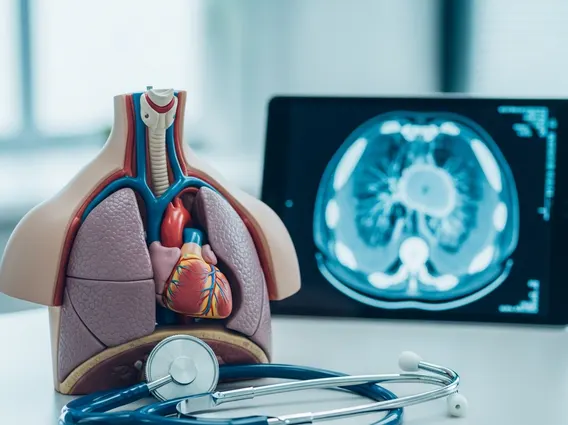
- Diagnosis and Staging: Interpreting imaging studies (CT, PET scans), performing biopsies, and accurately staging thoracic cancers to guide treatment decisions.
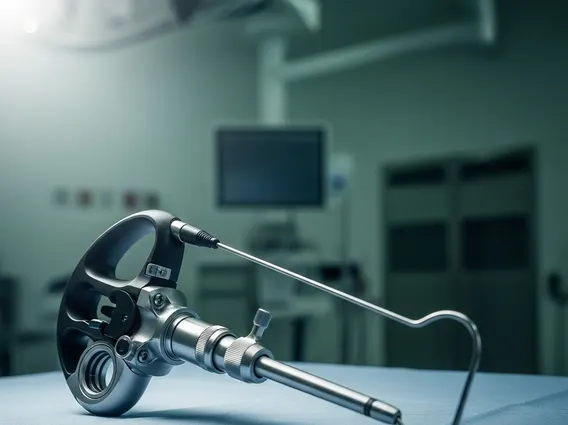
- Surgical Intervention: Performing a variety of complex operations, such as lobectomies, pneumonectomies, esophagectomies, mediastinal tumor resections, and chest wall resections, often using minimally invasive techniques like video-assisted thoracoscopic surgery (VATS) or robotic-assisted surgery.
- Multidisciplinary Collaboration: Participating in tumor boards and working with other specialists to integrate surgical treatment with chemotherapy, radiation therapy, and targeted therapies.
- Pre- and Post-operative Care: Managing patient health before surgery to optimize outcomes and providing comprehensive care during recovery, including pain management and complication prevention.
- Research and Education: Staying abreast of the latest advancements in thoracic oncology, contributing to clinical research, and educating future generations of surgeons.
The Field of Thoracic Surgical Oncology
The field of Thoracic surgical oncology explained involves a dynamic and evolving landscape of medical science and surgical innovation. Advances in imaging, surgical techniques, and adjuvant therapies have dramatically improved outcomes for patients with thoracic malignancies. For instance, lung cancer, a primary focus of this specialty, remains a significant global health challenge. According to the World Health Organization (WHO), lung cancer was responsible for an estimated 1.8 million deaths worldwide in 2020, highlighting the critical need for specialized surgical expertise.
Modern thoracic surgical oncology emphasizes precision medicine, where treatment plans are customized based on the genetic and molecular characteristics of a patient’s tumor. This approach, combined with the increasing use of minimally invasive surgical techniques, allows for faster recovery times, reduced post-operative pain, and improved cosmetic results, while maintaining oncological effectiveness. The continuous integration of research findings into clinical practice ensures that patients receive the most advanced and effective care available.