Surgical Excision
Surgical excision is a common medical procedure involving the precise removal of tissue from the body. This technique is widely utilized across various medical specialties for both diagnostic and therapeutic purposes, aiming to address a range of conditions from benign growths to malignant tumors.

Key Takeaways
- Surgical Excision is the precise removal of tissue for diagnosis or treatment.
- Its primary purpose includes removing diseased tissue, diagnosing conditions, and preventing disease spread.
- The procedure involves local anesthesia, incision, tissue removal, and wound closure.
- Recovery time varies based on the size and location of the excision, requiring careful aftercare.
- Proper wound care and adherence to medical advice are crucial for optimal healing and minimizing complications.
What is Surgical Excision and Its Purpose?
Surgical Excision refers to a medical procedure where a surgeon carefully cuts out and removes a specific area of tissue from the body. This technique is fundamental in various medical fields, including dermatology, oncology, and general surgery, for addressing a wide array of conditions. The process involves removing the target tissue along with a margin of healthy surrounding tissue, which is particularly important in cases of suspected malignancy to ensure complete removal of affected cells.
The purpose of surgical excision is multifaceted. Primarily, it serves as a definitive treatment for removing abnormal or diseased tissue, such as skin lesions, cysts, lipomas, and cancerous tumors. By excising the affected area, the procedure aims to eliminate the source of the problem, prevent its growth, or stop its spread to other parts of the body. Additionally, excised tissue is often sent for pathological examination, providing a definitive diagnosis that guides further treatment decisions. For instance, according to the American Academy of Dermatology, surgical excision is a standard treatment for most skin cancers, offering high cure rates when performed early.
The Surgical Excision Procedure Explained
The surgical excision procedure explained typically follows a structured approach to ensure patient safety and effective removal of the target tissue. It usually begins with the administration of local anesthesia to numb the area, ensuring the patient remains comfortable and pain-free throughout the operation. In some cases, especially for larger or more complex excisions, general anesthesia may be used.
Once the area is numb, the surgeon makes a precise incision around the lesion or abnormal tissue, often in an elliptical shape, to facilitate optimal wound closure. The diseased tissue, along with a specified margin of healthy tissue, is carefully dissected and removed. The excised tissue is then sent to a pathology lab for microscopic examination to confirm the diagnosis and assess the completeness of removal. After the tissue is removed, the surgeon meticulously closes the wound using sutures, staples, or adhesive strips, aiming for minimal scarring and proper healing. A dressing is then applied to protect the wound.
Surgical Excision Recovery and Aftercare
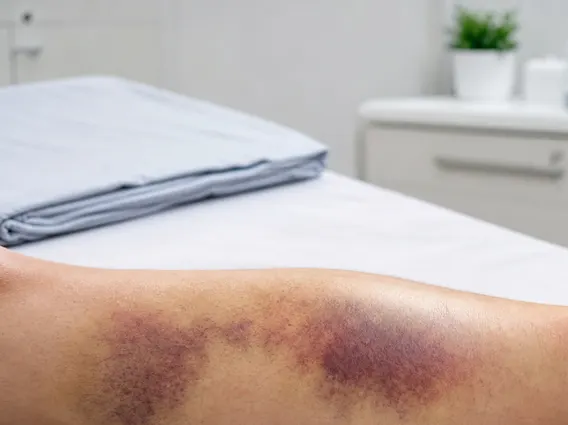
The surgical excision recovery time varies significantly depending on several factors, including the size and location of the excision, the patient’s overall health, and adherence to aftercare instructions. Smaller excisions, such as those for minor skin lesions, may heal within a week or two, while larger or deeper excisions could take several weeks or even months for complete recovery. Patients typically experience some degree of pain, swelling, and bruising at the surgical site, which can be managed with over-the-counter pain relievers or prescribed medication.
Proper aftercare is crucial for preventing complications and promoting optimal healing. Key aftercare instructions often include:
- Keeping the wound clean and dry, changing dressings as directed by the healthcare provider.
- Avoiding strenuous activities or movements that could stretch or strain the incision site.
- Monitoring the wound for signs of infection, such as increased redness, swelling, warmth, pus, or fever.
- Attending follow-up appointments to have sutures removed and for the surgeon to assess the healing process.
- Protecting the healing skin from sun exposure to minimize scarring.
Adhering to these guidelines helps ensure a smooth recovery and reduces the risk of complications like infection or excessive scarring. Patients should always consult their healthcare provider for specific post-operative instructions tailored to their individual procedure.