Surface Electrode
A Surface Electrode is a fundamental medical device used in various clinical and research settings to non-invasively detect and record bioelectrical signals from the body’s surface. These electrodes play a crucial role in diagnosing and monitoring numerous physiological conditions.
Key Takeaways
- Surface electrodes are non-invasive medical devices that detect bioelectrical signals from the skin.
- They work by establishing an electrical connection with the skin, converting ionic currents into electronic signals.
- Common types include disposable, reusable, wet, and dry electrodes, each suited for different applications.
- Applications span across various medical fields, including cardiology, neurology, and rehabilitation.
- Proper skin preparation and electrode placement are vital for accurate signal acquisition.
What is a Surface Electrode?
A Surface Electrode is a medical device designed to measure electrical activity generated by biological processes within the body, such as muscle contractions or nerve impulses, without penetrating the skin. These electrodes are typically placed on the skin’s surface, where they establish an electrical interface to capture subtle voltage changes. They consist of a conductive material, often silver/silver chloride (Ag/AgCl), which is in contact with an electrolyte gel or paste, facilitating the transfer of ionic currents from the body into electronic signals.
The primary function of a surface electrode is to provide a stable, low-impedance connection between the body and a recording instrument. This non-invasive approach makes them ideal for prolonged monitoring and for use in pediatric or sensitive patient populations. Their design ensures minimal discomfort while effectively detecting the weak bioelectrical signals that are indicative of underlying physiological activity, making them indispensable tools in modern diagnostics.
How Surface Electrodes Work
Surface electrodes function by detecting the electrical potential differences that arise from cellular activities beneath the skin. When placed on the skin, the conductive element of the electrode, often coated with an electrolyte gel, makes contact with the skin’s outermost layer. This gel serves as a bridge, converting the ionic currents within the body’s tissues into electronic currents that can be measured by external equipment. The Ag/AgCl coating is particularly effective because it minimizes junction potentials, ensuring a stable and reliable signal.
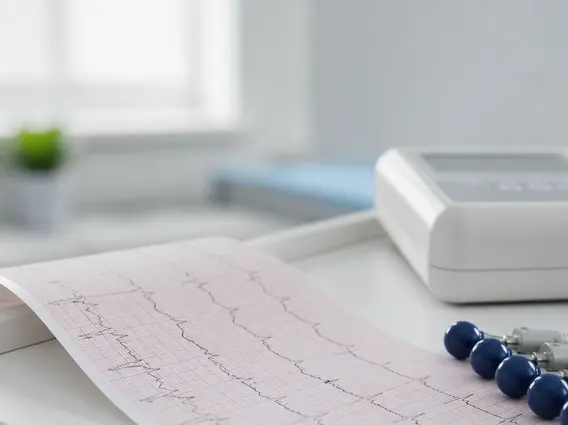
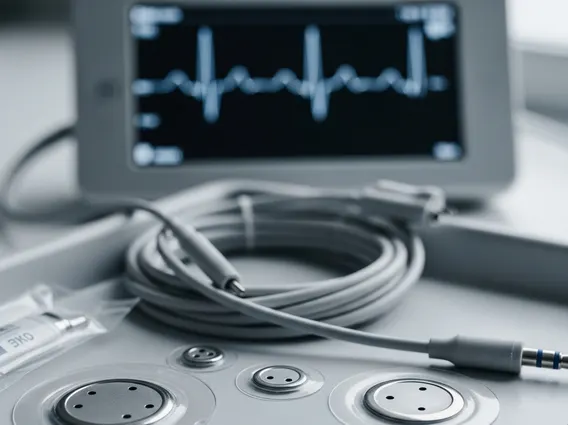
The electrical signals, once captured, are transmitted via a lead wire to an amplifier and then to a recording device, such as an electrocardiograph (ECG) or electroencephalograph (EEG). For accurate signal acquisition, proper skin preparation is essential; this often involves cleaning the skin to remove oils and dead cells, and sometimes light abrasion, to reduce impedance and improve the quality of the electrical connection. This process ensures that the recorded data accurately reflects the body’s physiological activity, free from interference or noise.
Types and Applications of Surface Electrodes
The field of medical diagnostics utilizes various types of surface electrodes, each designed for specific purposes and durations of use. These can range from simple disposable electrodes used for short-term monitoring to more robust reusable electrodes for long-term applications. The choice of electrode type often depends on the specific clinical need, the duration of monitoring, and the sensitivity required for the bioelectrical signal being measured.
The applications of surface electrodes are extensive, covering a wide array of medical specialties. They are fundamental in diagnosing and monitoring conditions related to the heart, brain, and muscles. Here are some key applications:
- Electrocardiography (ECG): Used to record the electrical activity of the heart, helping diagnose arrhythmias, heart attacks, and other cardiac conditions.
- Electroencephalography (EEG): Measures electrical activity in the brain, crucial for diagnosing epilepsy, sleep disorders, and assessing brain function.
- Electromyography (EMG): Records the electrical activity produced by skeletal muscles, aiding in the diagnosis of neuromuscular disorders.
- Nerve Conduction Studies (NCS): Evaluate the function of motor and sensory nerves, often used to identify nerve damage or dysfunction.
- Biofeedback: Helps individuals gain voluntary control over physiological processes by providing real-time feedback on their body’s electrical signals.
These diverse applications highlight the versatility and importance of surface electrodes as non-invasive tools for understanding and monitoring human physiology in clinical practice and research.