
Submucosa
The submucosa is a vital layer of tissue found within the walls of various hollow organs throughout the body, particularly prominent in the gastrointestinal, respiratory, and genitourinary tracts. This connective tissue layer plays a crucial role in supporting the overlying mucosa and facilitating essential physiological processes.
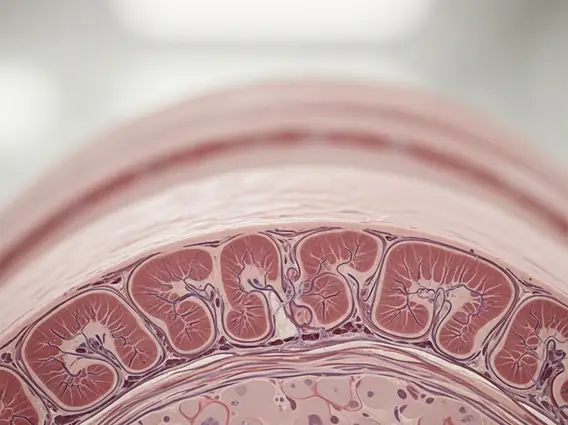
Key Takeaways
- The Submucosa is a dense, irregular connective tissue layer beneath the mucosa in many hollow organs.
- It contains blood vessels, lymphatic vessels, nerves, and glands, supporting the metabolic needs of the mucosa.
- The submucosal plexus (Meissner’s plexus) within this layer is critical for regulating local secretion and motility.
- Its rich vascular supply ensures nutrient delivery and waste removal for the epithelial lining.
- The structural integrity and functional components of the submucosa are essential for organ function and defense.
What is the Submucosa?
The Submucosa is a layer of dense, irregular connective tissue that lies immediately beneath the mucosa in the walls of many tubular organs, such as the digestive tract, respiratory tract, and urinary system. This layer serves as a crucial interface, providing structural support and housing essential components that facilitate the function of the overlying mucosal lining. The submucosa layer definition highlights its position as the second innermost layer, external to the mucosa but internal to the muscularis propria.
It is a dynamic and highly vascularized region, vital for the overall health and function of the organs it inhabits. Its strategic location allows it to act as a conduit for nutrients and a hub for nervous system regulation, directly influencing the activities of the mucosal epithelium and glands.
Submucosa Structure and Tissue Composition
The submucosa function and structure are intimately linked, with its composition dictating its diverse roles. The primary component of the submucosa is dense irregular connective tissue, which provides strength and elasticity. This tissue is rich in collagen and elastic fibers, allowing the organ wall to stretch and recoil without damage. Within this connective tissue framework, several critical elements are embedded:
- Blood Vessels: A dense network of arteries, veins, and capillaries supplies oxygen and nutrients to the mucosa and removes metabolic waste products. This rich vascularity is essential for the high metabolic demands of the epithelial cells.
- Lymphatic Vessels: These vessels are crucial for immune surveillance and the absorption of dietary fats in the intestine, transporting lymph and immune cells throughout the body.
- Nerves: The submucosa houses the submucosal plexus, also known as Meissner’s plexus. This intricate network of autonomic nerves plays a significant role in regulating glandular secretions and local muscular contractions of the muscularis mucosae.
- Glands: In certain organs, such as the esophagus and duodenum, the submucosa contains glands (e.g., Brunner’s glands in the duodenum) that secrete mucus or other substances to protect and lubricate the mucosal surface.
- Immune Cells: Various immune cells, including lymphocytes, macrophages, and mast cells, are present, contributing to the local immune defense against pathogens that may breach the epithelial barrier.
The submucosa tissue composition, therefore, is a complex blend of structural, vascular, nervous, and immune components, all working in concert to support the specialized functions of the overlying mucosa.
Functions of the Submucosa Layer
The functions of the submucosa layer are multifaceted and critical for the proper operation of the organs it underlies. One of its primary roles is to provide mechanical support to the mucosa, anchoring it to the deeper muscular layers while allowing for flexibility and movement. The connective tissue framework ensures the integrity of the organ wall during various physiological activities like peristalsis in the digestive tract.
Furthermore, the rich vascular supply within the submucosa is indispensable for nutrient delivery and waste removal, directly supporting the high metabolic activity of the mucosal epithelial cells, which are constantly regenerating and performing absorptive or secretory tasks. The lymphatic vessels contribute to fluid balance and immune defense, processing absorbed substances and presenting antigens to immune cells.
The nervous components, particularly the submucosal plexus, are vital for regulating local functions. This plexus controls the secretion of digestive enzymes and mucus from glands, as well as influencing the contractions of the muscularis mucosae, which helps to mix luminal contents and expose them to the absorptive surface. This intricate neural control allows for precise, localized responses to stimuli within the organ lumen, ensuring efficient digestion, absorption, and protection.



















