Subcutaneous
The term Subcutaneous refers to the layer of tissue located directly beneath the skin, playing a crucial role in the body’s overall structure and function. It is a vital component of the integumentary system, providing insulation, energy storage, and protection.
Key Takeaways
- Subcutaneous tissue is the deepest layer of the skin, primarily composed of fat cells and connective tissue.
- Its main functions include thermal insulation, energy reserve, shock absorption, and anchoring the skin.
- This layer is a common site for medical administration, known as subcutaneous injections, due to its vascularity and slower absorption rate.
- Subcutaneous fat, while essential, can pose health risks if accumulated excessively.
What is Subcutaneous Tissue?
Subcutaneous tissue, also known as the hypodermis or superficial fascia, is the deepest layer of the integumentary system, situated beneath the dermis. It is not technically considered part of the skin but rather the layer that connects the skin to the underlying fascia of bones and muscles. This layer is primarily composed of adipose tissue (fat cells), along with loose connective tissue, blood vessels, and nerves.
The structure of the subcutaneous layer allows for flexibility and movement of the skin over deeper structures. Its rich blood supply facilitates the transport of nutrients and waste, while nerve endings contribute to sensory perception, including pressure and temperature. The thickness of this layer varies significantly across different body regions and among individuals, influenced by factors such as genetics, diet, and activity levels.
Functions of the Subcutaneous Layer
The subcutaneous layer function and purpose are multifaceted, contributing significantly to the body’s homeostasis and protection. Its composition allows it to perform several critical roles:
- Thermal Insulation: The adipose tissue acts as a natural insulator, helping to regulate body temperature by reducing heat loss from the body in cold environments and preventing excessive heat gain in warm conditions.
- Energy Storage: Subcutaneous fat serves as the body’s primary long-term energy reserve. When energy intake exceeds expenditure, excess calories are stored as triglycerides within adipocytes, which can be mobilized during periods of fasting or increased energy demand.
- Shock Absorption: This layer provides a protective cushion against physical trauma, absorbing impacts and protecting underlying muscles, bones, and internal organs from injury.
- Anchoring the Skin: Loose connective tissue within the subcutaneous layer firmly attaches the dermis to the underlying structures, yet allows for a degree of skin mobility.
- Hormone Production: Adipose tissue is metabolically active and produces several hormones, including leptin and adiponectin, which play roles in appetite regulation, metabolism, and inflammation.
Subcutaneous Injections and Fat Considerations
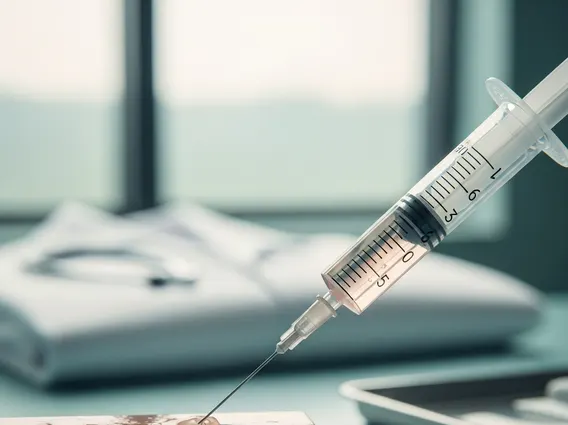
Understanding subcutaneous injections is crucial in medical practice, as this route is frequently used for administering various medications. A subcutaneous injection involves injecting medication into the adipose tissue layer just beneath the skin. This method is preferred for drugs that require slow, sustained absorption into the bloodstream, as the subcutaneous tissue has fewer blood vessels compared to muscle tissue.
Common medications administered via this route include insulin for diabetes management, heparin for anticoagulation, and certain vaccines. According to the World Health Organization (WHO), over 422 million people worldwide have diabetes, many of whom rely on daily insulin injections, often administered subcutaneously. Proper technique is essential to ensure efficacy and minimize discomfort, often involving pinching the skin to lift the subcutaneous layer away from muscle.
Considering subcutaneous fat benefits and risks is also important. While subcutaneous fat is vital for energy storage and insulation, excessive accumulation, particularly around the abdomen, can contribute to health issues such as obesity, type 2 diabetes, and cardiovascular disease. Conversely, insufficient subcutaneous fat can impair insulation and energy reserves. Maintaining a healthy balance of subcutaneous fat through diet and exercise is key to overall well-being.