Computed Tomography Colonography
Computed Tomography Colonography is a modern imaging technique used to screen for colorectal cancer and other conditions affecting the large intestine. It offers a less invasive alternative to traditional colonoscopy for many patients.
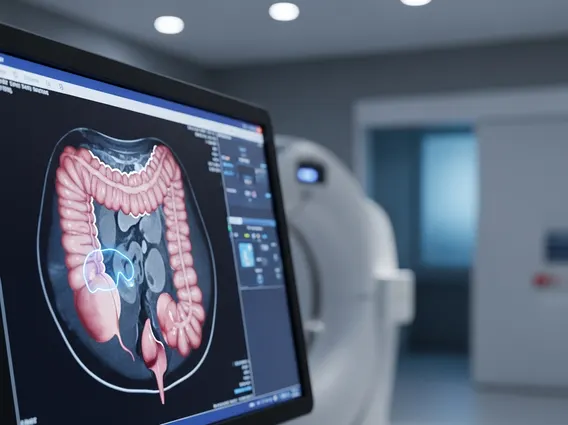
Key Takeaways
- Computed Tomography Colonography (CTC) is a non-invasive imaging test that uses X-rays and a computer to create detailed 3D images of the colon.
- It is often referred to as virtual colonoscopy and serves as an effective screening tool for polyps and colorectal cancer.
- Preparation for a CTC scan involves dietary restrictions, bowel cleansing, and hydration to ensure clear images.
- Key benefits include its non-invasive nature, lack of sedation, and ability to visualize areas outside the colon.
- CTC is a valuable option for individuals who may not be suitable for or prefer to avoid conventional colonoscopy.
What is Computed Tomography Colonography (CTC)?
Computed Tomography Colonography (CTC) refers to a specialized medical imaging procedure that utilizes a CT scanner to produce detailed, three-dimensional (3D) images of the large intestine (colon) and rectum. This advanced technique is also widely known as CT colonography or virtual colonoscopy. Unlike a traditional colonoscopy, which involves inserting a flexible scope into the colon, CTC is a non-invasive procedure that relies on X-ray technology and sophisticated computer processing to construct comprehensive views of the colon’s interior. It is primarily used for screening for colorectal cancer and detecting polyps, which are small growths that can sometimes develop into cancer over time. The process involves inflating the colon with air or carbon dioxide to distend its walls, allowing for clearer visualization of the mucosal lining, followed by rapid CT scanning.
The images generated by a CTC scan allow radiologists to meticulously examine the entire colon for abnormalities, such as polyps or masses, without the need for a physical scope. This method provides a comprehensive assessment, identifying lesions as small as a few millimeters. According to the Centers for Disease Control and Prevention (CDC), colorectal cancer is the third most common cancer diagnosed in both men and women in the United States, highlighting the importance of effective screening methods like CTC for early detection and intervention.
Preparing for Your Virtual Colonoscopy (CTC) Procedure
Proper preparation is crucial for ensuring the accuracy and effectiveness of your virtual colonoscopy procedure. The goal of the CTC scan preparation guide is to thoroughly cleanse the colon, removing any fecal material that could obscure polyps or other abnormalities during the imaging process. Inadequate preparation can lead to unclear images, potentially requiring a repeat scan or a traditional colonoscopy.
The preparation typically begins a day or two before the procedure and involves several key steps:
- Dietary Restrictions: Patients are usually instructed to follow a low-fiber diet for a few days leading up to the scan, transitioning to a clear liquid diet the day before. This includes clear broths, plain water, clear juices without pulp, and gelatin.
- Bowel Cleansing: A prescribed laxative solution is taken the evening before the procedure. This helps to flush out the colon. It’s essential to follow the specific instructions provided by your healthcare provider regarding the timing and dosage of these medications.
- Hydration: Drinking plenty of clear liquids during the preparation phase is vital to prevent dehydration and aid in the cleansing process.
- Medication Review: You should discuss all your current medications, including over-the-counter drugs and supplements, with your doctor well in advance. Some medications, particularly blood thinners, may need to be adjusted or temporarily stopped.
Adhering strictly to these guidelines will help ensure that your colon is clean, allowing for the best possible images and a successful examination.
Advantages of Computed Tomography Colonography
There are several significant computed tomography colonography benefits that make it an attractive option for colorectal cancer screening. One of the primary advantages is its non-invasive nature. Unlike conventional colonoscopy, CTC does not require the insertion of a long, flexible tube into the colon, which many patients find uncomfortable or intimidating. This also means there is no need for sedation, allowing patients to resume their normal activities immediately after the procedure without the lingering effects of anesthesia.
Furthermore, CTC can be a suitable alternative for individuals who are unable to undergo a traditional colonoscopy due to medical conditions, anatomical challenges, or personal preference. It carries a lower risk of complications such as perforation of the colon compared to optical colonoscopy. Another notable benefit is its ability to visualize structures outside the colon within the abdominal and pelvic cavities. While not its primary purpose, this can sometimes lead to the incidental detection of other medical conditions that might otherwise go unnoticed. Studies have shown that CTC is highly effective in detecting clinically significant polyps and early-stage colorectal cancers, providing a valuable tool in the fight against this disease.