Colonoscopy
A colonoscopy is a vital medical procedure used to examine the lining of the large intestine (colon) and rectum. It plays a crucial role in the early detection and prevention of colorectal cancer, as well as in diagnosing various digestive conditions.
Key Takeaways
- Colonoscopy is a procedure to visualize the colon and rectum, primarily for screening and diagnosis.
- It involves inserting a flexible tube with a camera to detect polyps, inflammation, and other abnormalities.
- Thorough bowel preparation is essential for the procedure’s accuracy and effectiveness.
- Benefits include early detection of colorectal cancer and removal of precancerous polyps.
- While generally safe, potential risks include bleeding, perforation, and reactions to sedation.
What is Colonoscopy?
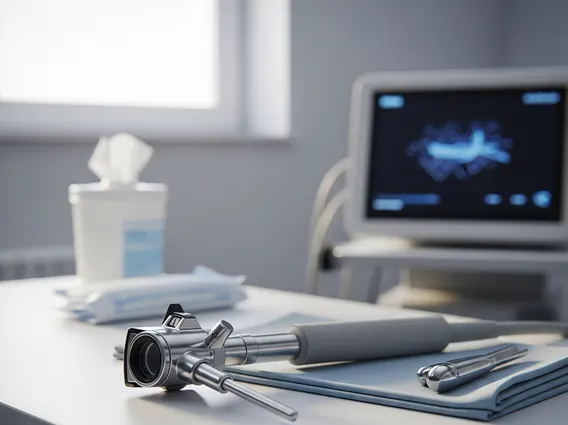
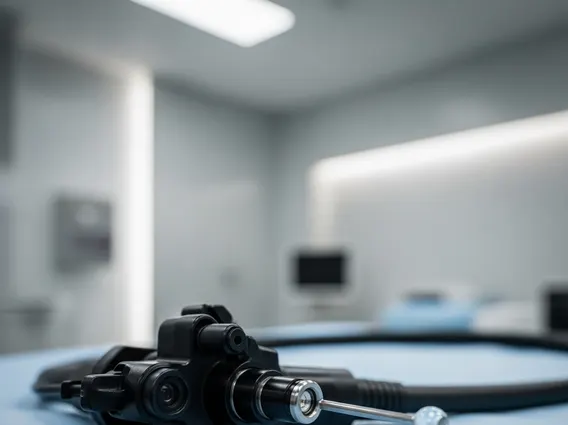
Colonoscopy refers to a medical procedure that allows a doctor to view the inside of the entire large intestine (colon) and rectum. This diagnostic and screening tool is essential for detecting changes or abnormalities in the large intestine. It involves the use of a colonoscope, a long, flexible tube with a tiny camera at its tip, which is gently inserted into the rectum and advanced through the colon. The primary purpose of a colonoscopy is to screen for colorectal cancer by identifying and removing precancerous polyps, which are small growths that can develop into cancer over time. According to the Centers for Disease Control and Prevention (CDC), colorectal cancer screening, including colonoscopy, can find precancerous polyps so they can be removed before they turn into cancer, significantly reducing cancer risk.
Colonoscopy Procedure Explained
The colonoscopy procedure explained involves several key steps, typically performed in an outpatient setting. Before the procedure begins, patients receive sedation to ensure comfort and minimize discomfort. This can range from mild sedatives to deeper anesthesia, allowing most patients to sleep through the examination. Once sedated, the physician carefully inserts the colonoscope into the rectum and advances it through the colon. Air or carbon dioxide is often gently pumped into the colon to inflate it, providing a clearer view of the lining. The camera transmits images to a monitor, allowing the doctor to meticulously examine the mucosal surface for polyps, inflammation, bleeding, or other abnormalities.
If polyps are found, they are typically removed during the procedure using tiny instruments passed through the colonoscope. This process, known as polypectomy, is crucial for preventing colorectal cancer. Tissue samples (biopsies) may also be taken from any suspicious areas for further examination under a microscope. The entire procedure usually takes about 30 to 60 minutes, after which patients are monitored in a recovery area until the effects of the sedation wear off. Due to the sedation, patients are advised to have someone drive them home and to avoid strenuous activities for the rest of the day.
Colonoscopy Preparation, Benefits, and Risks
Effective colonoscopy preparation guide is critical for the success of the procedure, as the colon must be completely clean for the doctor to have a clear view. This preparation typically begins a day or two before the procedure and involves a strict clear liquid diet and consuming a prescribed bowel-cleansing solution. This solution causes frequent bowel movements to empty the colon entirely. Patients must follow these instructions precisely to ensure optimal visualization and avoid the need for a repeat procedure.
The benefits and risks of colonoscopy are important considerations. The primary benefit is its effectiveness in preventing and detecting colorectal cancer early, often before symptoms appear. By identifying and removing precancerous polyps, colonoscopy can significantly reduce the incidence and mortality of colorectal cancer. It also serves as a diagnostic tool for investigating symptoms such as abdominal pain, rectal bleeding, chronic constipation, or diarrhea, helping to diagnose conditions like inflammatory bowel disease.
While generally safe, colonoscopy carries some potential risks, though serious complications are rare. These include a small risk of perforation (a tear in the colon wall), bleeding (especially after polyp removal), and adverse reactions to the sedation. Other minor risks can include temporary abdominal cramping or bloating. Patients should discuss any concerns with their healthcare provider, who can provide a comprehensive overview of the procedure’s benefits and risks based on individual health factors.