Colon
The Colon, often referred to as the large intestine, is a vital organ in the human digestive system responsible for the final stages of digestion and waste elimination. Understanding its structure and function is crucial for maintaining overall health.
Key Takeaways
- The colon is the longest part of the large intestine, extending from the small intestine to the rectum.
- Its primary functions include absorbing water and electrolytes, forming and storing stool, and housing beneficial gut bacteria.
- Common conditions affecting the colon range from irritable bowel syndrome to colorectal cancer, often presenting with digestive symptoms.
- Maintaining a healthy colon involves a fiber-rich diet, adequate hydration, regular physical activity, and timely screenings.
What is the Colon: Anatomy and Structure
The Colon is a muscular tube approximately 5 to 6 feet (1.5 to 1.8 meters) long in adults, forming the main part of the large intestine. It begins where the small intestine ends, at the cecum, and extends to the rectum. Its primary role is to process indigestible food material that passes through the small intestine.
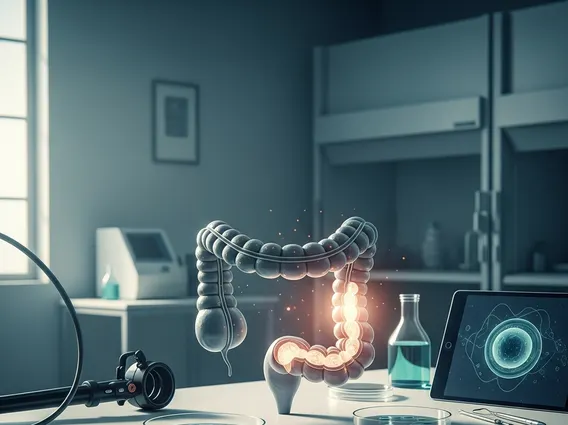
The Anatomy of the human colon is divided into several distinct sections: the cecum (a pouch-like structure where the small intestine joins), the ascending colon, the transverse colon, the descending colon, and the sigmoid colon, which connects to the rectum. Each section plays a specific role in the movement and processing of waste. The colon’s wall consists of several layers, including a muscular layer that facilitates peristalsis, the wave-like contractions that move contents along.
Key Functions of the Colon in Digestion
The primary function of the colon is to absorb water and electrolytes from the remaining indigestible food matter, converting it from a liquid state into solid stool. This process is essential for maintaining the body’s fluid balance and preventing dehydration. Approximately 1.5 liters of fluid can pass into the colon daily, with most of it being reabsorbed.
Beyond water absorption, the colon also serves as a storage site for fecal matter until it is eliminated from the body. It harbors a vast and diverse community of beneficial bacteria, collectively known as the gut microbiota. These microorganisms play a crucial role in breaking down complex carbohydrates that were not digested in the small intestine, producing short-chain fatty acids that can provide energy to colon cells and influence immune function.
Common Colon Conditions and Healthy Practices
A range of conditions can affect the colon, impacting its function and overall digestive health. Common colon diseases and symptoms include irritable bowel syndrome (IBS), diverticular disease, inflammatory bowel disease (IBD) such as Crohn’s disease and ulcerative colitis, and colorectal cancer. Symptoms can vary widely but often include abdominal pain, bloating, changes in bowel habits (diarrhea or constipation), rectal bleeding, and unexplained weight loss. For instance, colorectal cancer is the third most common cancer diagnosed in both men and women in the United States, according to the CDC.
Maintaining a healthy colon is vital for overall well-being. Adopting certain lifestyle practices can significantly reduce the risk of colon-related issues and promote optimal digestion. Here are some Tips for a healthy colon and digestion:
- Increase Fiber Intake: Consume a diet rich in fruits, vegetables, whole grains, and legumes. Fiber adds bulk to stool, aiding its passage and preventing constipation.
- Stay Hydrated: Drink plenty of water throughout the day to keep stool soft and facilitate smooth bowel movements.
- Engage in Regular Physical Activity: Exercise helps stimulate intestinal muscle contractions, promoting regular bowel function.
- Limit Processed Foods and Red Meats: These can contribute to inflammation and increase the risk of certain colon conditions.
- Undergo Regular Screenings: For individuals over 45, regular colonoscopies or other recommended screenings are crucial for early detection and prevention of colorectal cancer.
While these practices support colon health, any persistent or concerning digestive symptoms should be evaluated by a healthcare professional. Information on supportive practices does not replace medical diagnosis or treatment.