
Electronic Medical Record
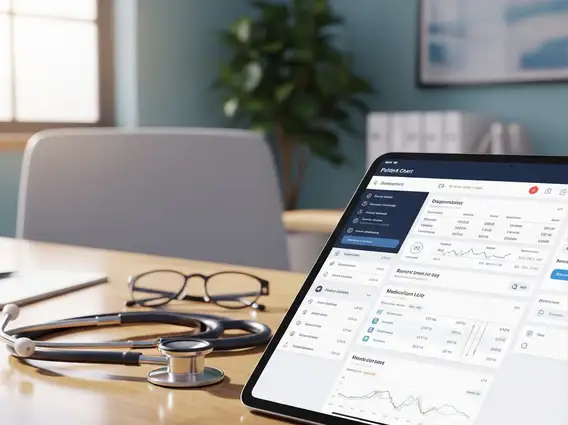
An Electronic Medical Record (EMR) is a digital version of a patient’s chart, containing their medical and treatment history from a single practice or healthcare organization. It serves as a comprehensive digital repository for all clinical data, enhancing the efficiency and accuracy of patient care.
Key Takeaways
- An Electronic Medical Record is a digital patient chart used within a single healthcare setting.
- EMRs consolidate patient data, including medical history, diagnoses, medications, and test results.
- They streamline clinical workflows, improve data accuracy, and enhance communication among care providers.
- The implementation of EMRs significantly contributes to reducing medical errors and improving patient safety.
- EMRs are fundamental tools for modern healthcare, supporting better decision-making and operational efficiency.
What is an Electronic Medical Record (EMR)?
An Electronic Medical Record (EMR) is a digital record of a patient’s health information that is created, managed, and consulted by authorized clinicians and staff within a single healthcare organization. This digital format replaces traditional paper charts, offering a more organized and accessible way to store vital patient data. An EMR typically includes a patient’s medical history, diagnoses, medications, immunization dates, allergies, radiology images, and laboratory test results. It provides a comprehensive overview of a patient’s health journey within a specific clinic, hospital, or practice, enabling healthcare providers to make informed decisions based on up-to-date and accurate information.
The primary purpose of an Electronic Medical Record is to support clinical decision-making and improve the quality of patient care. By centralizing patient data, EMRs reduce the likelihood of lost or misplaced paper records and ensure that all relevant information is readily available to the care team. This digital system is integral to modern healthcare delivery, facilitating a more streamlined and effective approach to patient management and treatment.
How Electronic Medical Records Work
An Electronic Medical Record operates by digitizing and centralizing patient health information, making it accessible to authorized users within a specific healthcare facility. The process begins with data entry, where healthcare professionals input patient details, medical history, current symptoms, diagnoses, treatment plans, and prescription information directly into the system. This data can also be populated automatically from connected devices, such as lab equipment or imaging machines. The electronic medical record system explanation involves secure servers and databases that store this sensitive information, ensuring its integrity and confidentiality.
Clinicians access the EMR through secure computer workstations or mobile devices, allowing them to review a patient’s complete medical history, order tests, prescribe medications, and document progress notes in real-time. The system often includes features like clinical decision support tools, which can alert providers to potential drug interactions or overdue preventive screenings. Furthermore, EMRs facilitate communication among different departments within the same organization, ensuring that nurses, doctors, specialists, and administrative staff all have access to the same current patient information, thereby coordinating care more effectively.
Benefits of Electronic Medical Records
The widespread adoption of Electronic Medical Records has brought numerous advantages to both patients and healthcare providers. One of the most significant benefits is the improvement in patient safety. EMRs help reduce medical errors by providing clear, legible records, flagging potential drug allergies or interactions, and offering clinical alerts. According to a report by the Office of the National Coordinator for Health Information Technology (ONC), EMRs have been shown to improve the quality of care, patient safety, and efficiency in healthcare settings.
Other key benefits include:
- Enhanced Accessibility: Patient information is readily available to authorized personnel, regardless of their physical location within the facility, enabling faster and more informed decision-making.
- Improved Efficiency: EMRs streamline administrative tasks, such as scheduling, billing, and record retrieval, reducing paperwork and allowing staff to focus more on patient care.
- Better Data Management: Digital records are easier to update, track, and analyze, supporting quality improvement initiatives and public health reporting.
- Reduced Costs: While initial implementation can be an investment, EMRs can lead to long-term cost savings by reducing administrative overhead, minimizing duplicate tests, and improving overall operational efficiency.
- Stronger Patient Engagement: Some EMR systems offer patient portals, allowing individuals to access their health information, schedule appointments, and communicate with their care team, fostering greater involvement in their own health management.



















