
Anterior Mediastinum
The anterior mediastinum is a critical anatomical space within the chest, housing vital organs and structures. Understanding its components and potential pathologies is essential in medical diagnostics and treatment.
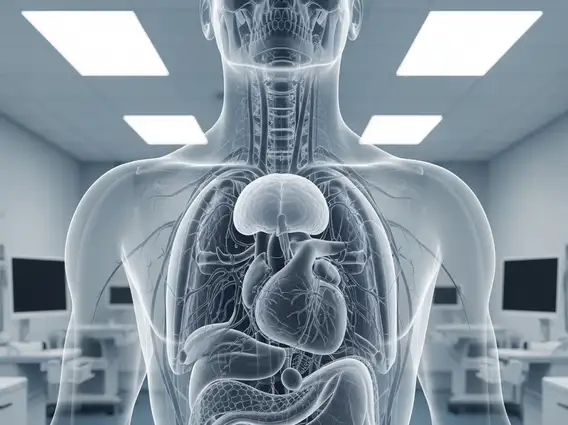
Key Takeaways
- The anterior mediastinum is the most anterior compartment of the mediastinum, located behind the sternum and in front of the pericardium.
- It primarily contains the thymus gland, lymph nodes, and connective tissue.
- Masses in this region are often associated with the “4 Ts”: Thymoma, Teratoma, Thyroid (ectopic), and T-cell lymphoma.
- Diagnostic imaging, such as CT scans and MRI, is crucial for identifying and characterizing anterior mediastinal masses.
- Treatment approaches vary widely depending on the underlying cause, ranging from observation to surgery, chemotherapy, or radiation.
What is the Anterior Mediastinum?
The anterior mediastinum definition refers to the most anterior subdivision of the mediastinum, which is the central compartment of the thoracic cavity. It is a relatively small space situated directly behind the sternum and anterior to the pericardium, which encloses the heart. This region is clinically significant due to the array of structures it contains and the diverse pathologies that can arise within it. Understanding this anatomical area is fundamental for diagnosing conditions affecting the chest.
Anatomy and Boundaries of the Anterior Mediastinum
The anterior mediastinum anatomy is defined by specific boundaries and contains several key structures. Its anterior boundary is the sternum, while its posterior boundary is the anterior aspect of the pericardium and the great vessels. Laterally, it is bordered by the pleura of the lungs. Superiorly, it extends to the thoracic inlet, and inferiorly, it reaches the diaphragm.
Key structures found within the anterior mediastinum include:
- Thymus Gland: A primary lymphoid organ crucial for T-cell maturation during childhood. It typically atrophies in adulthood but can remain a significant structure.
- Lymph Nodes: Several lymph node groups are present, which can become enlarged due to infection, inflammation, or malignancy.
- Connective Tissue: Loose areolar tissue and fat fill the remaining space, providing cushioning and support.
- Internal Thoracic Vessels: Branches of these vessels may traverse the area.
The presence of these structures makes the anterior mediastinum a common site for various masses and pathologies.
Common Causes of Anterior Mediastinal Masses
When considering the common causes of anterior mediastinal masses, clinicians often refer to the “4 Ts” mnemonic, which covers the most prevalent etiologies. These include:
- Thymoma/Thymic Carcinoma: Thymomas are tumors originating from the epithelial cells of the thymus gland. They are among the most common primary tumors of the anterior mediastinum in adults, representing a significant proportion of masses in this region.
- Teratoma (Germ Cell Tumors): These tumors arise from pluripotent germ cells and can contain various tissue types (e.g., hair, teeth, bone, cartilage). They are a frequent cause of anterior mediastinal masses, particularly in younger adults.
- Thyroid (Ectopic or Goiter): Ectopic thyroid tissue or substernal extension of a cervical goiter can present as an anterior mediastinal mass. While less common than thymomas or teratomas, it is an important consideration.
- T-cell Lymphoma (and other Lymphomas): Lymphomas, particularly non-Hodgkin lymphomas (such as T-cell lymphoblastic lymphoma), can manifest as large anterior mediastinal masses due to lymph node involvement. Hodgkin lymphoma can also present in this region.
Other less common but significant causes include cysts (pericardial, bronchogenic, or thymic), vascular lesions such as aneurysms of the great vessels, and infections like abscesses or granulomatous diseases, though these are less frequent. The specific characteristics of the mass, patient age, and associated symptoms guide further diagnostic workup, which typically involves imaging studies like CT or MRI, and often a biopsy for definitive diagnosis.



















