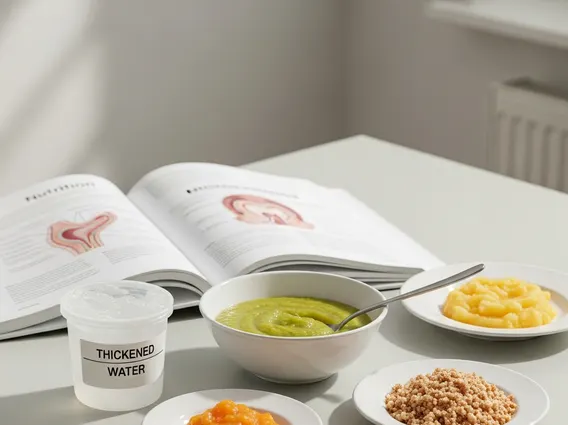
Nutrition Tips for Lymphedema
Lymphedema is a chronic condition characterized by localized fluid retention and tissue swelling caused by a compromised lymphatic system. While there is no cure, effective management strategies can significantly alleviate symptoms and improve quality of life. Among these, nutrition plays a pivotal role, offering a supportive pathway to reduce swelling, manage weight, and mitigate inflammation.

Key Takeaways
- Focus on an anti-inflammatory diet rich in fruits, vegetables, and whole grains to reduce swelling and support lymphatic function.
- Prioritize lean proteins and adequate fiber intake to aid tissue repair, promote satiety, and maintain a healthy weight.
- Strictly limit sodium, processed foods, and excessive sugars to prevent fluid retention and minimize inflammation.
- Ensure consistent hydration with water and other non-caloric fluids to support overall bodily functions and lymphatic flow.
- Adopt mindful eating habits and plan meals to maintain a balanced intake and manage weight, which is crucial for lymphedema management.
Essential Nutrition Tips for Lymphedema
Effective managing lymphedema through diet involves a holistic approach that targets inflammation, supports fluid balance, and promotes overall health. The primary goal is to reduce the burden on the lymphatic system by minimizing factors that contribute to swelling and tissue damage. A well-structured diet can significantly impact symptom severity and progression, making it a cornerstone of comprehensive lymphedema care.
One of the most crucial lymphedema diet tips is to adopt an anti-inflammatory eating pattern. Chronic inflammation can exacerbate lymphedema symptoms, leading to increased swelling and discomfort. By incorporating foods known for their anti-inflammatory properties, individuals can help calm the body’s inflammatory response. This approach not only benefits lymphedema but also contributes to general well-being, supporting cardiovascular health and reducing the risk of other chronic diseases.
Weight management is another critical aspect of lymphedema care. Excess body weight can put additional strain on the lymphatic system, potentially worsening swelling and hindering lymphatic flow. According to the Centers for Disease Control and Prevention (CDC), maintaining a healthy weight is vital for managing various chronic conditions, including lymphedema. A balanced diet, combined with regular physical activity, can help achieve and maintain a healthy weight, thereby reducing the physical burden on affected limbs and improving mobility.
Best Foods to Support Lymphedema Management
When considering what to eat with lymphedema, the focus should be on nutrient-dense foods that support lymphatic function, reduce inflammation, and help maintain a healthy weight. These foods are typically rich in vitamins, minerals, antioxidants, and fiber, all of which contribute to overall health and specific benefits for lymphedema management. Prioritizing whole, unprocessed foods is a fundamental principle for anyone seeking to improve their health, and it is particularly beneficial for individuals with lymphedema.
Incorporating a wide variety of these beneficial foods can make a significant difference in symptom control and quality of life. The aim is to create a diet that is both nourishing and supportive of the body’s natural healing processes. Many of the best foods for lymphedema are readily available and can be easily integrated into daily meals, making adherence to a supportive diet practical and enjoyable.
Anti-inflammatory Foods
Anti-inflammatory foods are paramount for individuals with lymphedema, as they help mitigate the chronic inflammation that can worsen swelling and tissue changes. These foods are typically rich in antioxidants and phytochemicals, which combat oxidative stress and reduce inflammatory markers in the body. Examples include a colorful array of fruits and vegetables, which are packed with vitamins and minerals essential for immune function and tissue health. Berries, leafy greens like spinach and kale, and cruciferous vegetables such as broccoli and cauliflower are excellent choices. Whole grains, such as oats, brown rice, and quinoa, also contribute to an anti-inflammatory diet due to their fiber content and lower glycemic index, which helps regulate blood sugar and reduce inflammatory responses.
Lean Proteins and Fiber-Rich Options
Adequate protein intake is essential for tissue repair, immune function, and maintaining muscle mass, which is particularly important for individuals managing lymphedema. Lean protein sources, such as skinless poultry, fish (especially fatty fish rich in omega-3 fatty acids like salmon and mackerel), legumes, and tofu, provide necessary amino acids without contributing excessive saturated fat. Omega-3 fatty acids are also known for their anti-inflammatory properties. Fiber-rich foods, including fruits, vegetables, legumes, and whole grains, are crucial for digestive health and can help with weight management by promoting satiety. A healthy gut microbiome, supported by fiber, also plays a role in modulating inflammation throughout the body. These components are vital for a comprehensive nutrition guide lymphedema patients can follow.
Here is a summary of some beneficial food categories:
| Food Category | Examples | Benefits for Lymphedema |
|---|---|---|
| Fruits & Vegetables | Berries, leafy greens, broccoli, bell peppers | Rich in antioxidants, vitamins, and fiber; reduce inflammation. |
| Lean Proteins | Chicken breast, fish, tofu, lentils, beans | Supports tissue repair, muscle maintenance, and satiety. |
| Whole Grains | Oats, quinoa, brown rice, whole-wheat bread | Provides fiber for digestion and sustained energy; anti-inflammatory. |
| Healthy Fats | Avocado, olive oil, nuts, seeds | Contains anti-inflammatory omega-3s and monounsaturated fats. |
Foods to Limit and Avoid with Lymphedema
Just as certain foods can support lymphedema management, others can exacerbate symptoms and should be limited or avoided. The primary culprits are those that promote fluid retention, increase inflammation, or contribute to unhealthy weight gain. Being mindful of these dietary restrictions is a key component of effective lymphedema diet tips and can significantly improve comfort and reduce swelling.
High-sodium foods are particularly problematic for individuals with lymphedema. Sodium causes the body to retain water, which can directly increase swelling in affected areas. This includes not only table salt but also many processed foods, canned goods, cured meats, and fast food. Reading food labels carefully to identify hidden sources of sodium is essential. The American Heart Association recommends limiting sodium intake to no more than 2,300 milligrams per day, with an ideal limit of no more than 1,500 mg per day for most adults, especially those with conditions like lymphedema where fluid balance is critical.
Foods high in refined sugars and unhealthy fats also contribute to inflammation and can lead to weight gain. Sugary drinks, pastries, candies, and highly processed snacks offer little nutritional value and can trigger inflammatory responses in the body. Similarly, trans fats and excessive saturated fats, often found in fried foods, processed snacks, and some baked goods, can promote inflammation and negatively impact cardiovascular health. Limiting these items is crucial for both lymphedema management and overall health, aligning with general healthy eating guidelines.
Hydration and Lymphedema-Friendly Meal Planning
Adequate hydration is often overlooked but is a critical component of nutrition guide lymphedema patients should follow. While it might seem counterintuitive to drink more fluid when dealing with swelling, proper hydration is essential for maintaining fluid balance, supporting lymphatic flow, and ensuring all bodily systems function optimally. Dehydration can actually signal the body to retain water, potentially worsening lymphedema symptoms. Aim for consistent intake of water throughout the day, and choose plain water over sugary beverages or those high in artificial sweeteners.
Developing a structured approach to eating, including mindful portion control and regular meal times, can greatly assist in managing lymphedema through diet. Planning meals in advance helps ensure a consistent intake of beneficial foods and reduces the likelihood of reaching for unhealthy, processed options. This strategy also supports weight management, which is a significant factor in controlling lymphedema symptoms. Consider preparing larger batches of healthy meals and portioning them out for the week to save time and ensure adherence to your dietary goals.
Exploring lymphedema friendly recipes can make healthy eating both enjoyable and sustainable. Focus on recipes that emphasize fresh vegetables, lean proteins, whole grains, and healthy fats, while being low in sodium and added sugars. Simple cooking methods like baking, grilling, steaming, and stir-frying are often preferred. Incorporating a variety of herbs and spices can add flavor without relying on salt. Experimenting with different cuisines that naturally align with these principles, such as Mediterranean-inspired dishes, can also keep meal times exciting and diverse.
Frequently Asked Questions
Is there a specific “lymphedema diet”?
While there isn’t one single “lymphedema diet,” the most effective approach involves a balanced, anti-inflammatory eating pattern. This means prioritizing whole foods like fruits, vegetables, lean proteins, and whole grains, while limiting processed foods, high sodium, and excessive sugars. The goal is to reduce inflammation, manage weight, and support overall lymphatic health, rather than adhering to a rigid, named diet. Individual needs may vary, so consulting a healthcare professional or registered dietitian is recommended for personalized guidance.
How does sodium affect lymphedema symptoms?
Sodium plays a significant role in fluid balance within the body. High sodium intake can lead to increased water retention, which directly exacerbates swelling in areas affected by lymphedema. The lymphatic system, already compromised, struggles to manage this excess fluid, leading to more pronounced symptoms and discomfort. Therefore, limiting sodium intake by avoiding processed foods, canned goods, and excessive table salt is a crucial dietary modification for individuals with lymphedema to help minimize fluid buildup.
Can losing weight improve lymphedema symptoms?
Yes, maintaining a healthy weight or achieving weight loss if overweight or obese can significantly improve lymphedema symptoms. Excess body weight places additional strain on the lymphatic system and can worsen swelling, particularly in the limbs. Weight reduction can decrease the overall fluid load, improve lymphatic flow, and reduce the physical burden on affected areas. This often leads to a noticeable reduction in limb volume, improved mobility, and enhanced comfort, making weight management a vital component of lymphedema care.
Disclaimer: The information provided in this article is for educational purposes only and is not intended as a substitute for professional medical advice, diagnosis, or treatment. Always seek the advice of your physician or other qualified health provider with any questions you may have regarding a medical condition. This information is supportive only and does not replace medical treatment. Ensure all dietary changes comply with FDA guidelines and are discussed with your healthcare provider.