Medical Treatments for Hearing Loss
Hearing loss is a widespread health concern affecting millions globally, impacting communication, quality of life, and overall well-being. Fortunately, significant advancements in medicine and technology offer a range of effective medical treatments for hearing loss. This article explores the various medical options for hearing impairment, from traditional non-surgical interventions to cutting-edge therapies, providing a comprehensive overview for those seeking solutions.
Key Takeaways
- Hearing loss affects a significant portion of the global population, with various medical treatments available depending on the type and severity.
- Non-surgical treatments for hearing loss, such as hearing aids and assistive listening devices, remain foundational for managing many forms of hearing impairment.
- Pharmacological interventions can address specific causes of hearing loss, including sudden sensorineural hearing loss or ear infections.
- Latest advancements in hearing loss treatment include advanced implantable devices like cochlear implants and bone-anchored systems, alongside promising research in gene therapy and stem cell regeneration.
- Choosing the best medical treatments for hearing loss involves a personalized approach, considering diagnosis, lifestyle, and individual needs, often guided by an audiologist and otolaryngologist.
Understanding Medical Treatments for Hearing Loss
Hearing loss can manifest in various forms, each with distinct underlying causes and requiring tailored treatment strategies. Globally, over 1.5 billion people experience some degree of hearing loss, with approximately 430 million requiring rehabilitation services, according to the World Health Organization (WHO). Understanding the type of hearing loss is the first crucial step in determining what are the medical treatments for hearing loss that will be most effective. Generally, hearing loss is categorized into three main types:
- Conductive Hearing Loss: Occurs when sound waves cannot reach the inner ear due to blockages or damage in the outer or middle ear. Causes can include earwax buildup, fluid in the middle ear, eardrum perforation, or otosclerosis.
- Sensorineural Hearing Loss: Results from damage to the inner ear (cochlea) or the auditory nerve. This is often permanent and can be caused by aging, noise exposure, genetics, certain medications, or infections.
- Mixed Hearing Loss: A combination of both conductive and sensorineural hearing loss.
The diagnostic process typically involves a comprehensive hearing evaluation by an audiologist and a medical examination by an otolaryngologist (ear, nose, and throat doctor). This evaluation helps pinpoint the specific nature and severity of the hearing impairment, guiding the selection of appropriate medical options for hearing impairment. Treatment plans are highly individualized, taking into account the patient’s age, overall health, lifestyle, and specific hearing needs to ensure the most beneficial outcome.
Non-Surgical Approaches for Hearing Loss
For many individuals experiencing hearing impairment, non-surgical treatments for hearing loss offer effective solutions to improve auditory function and communication. These approaches are often the first line of defense, particularly for mild to moderate hearing loss, and can significantly enhance a person’s quality of life. The primary goal is to amplify sound, bypass damaged parts of the ear, or address underlying medical conditions that are amenable to non-invasive interventions. These treatments are often considered among the best medical treatments for hearing loss when surgery is not necessary or appropriate.
Common non-surgical strategies include the use of hearing aids, which are electronic devices worn in or behind the ear to amplify sound, and assistive listening devices (ALDs) that help in specific listening situations. Beyond devices, certain medical conditions causing hearing loss can be managed with medication. For instance, sudden sensorineural hearing loss may be treated with corticosteroids, while middle ear infections (otitis media) are often resolved with antibiotics or antifungals. Addressing these underlying issues can sometimes restore hearing without the need for invasive procedures.
Hearing Aids and Assistive Listening Devices
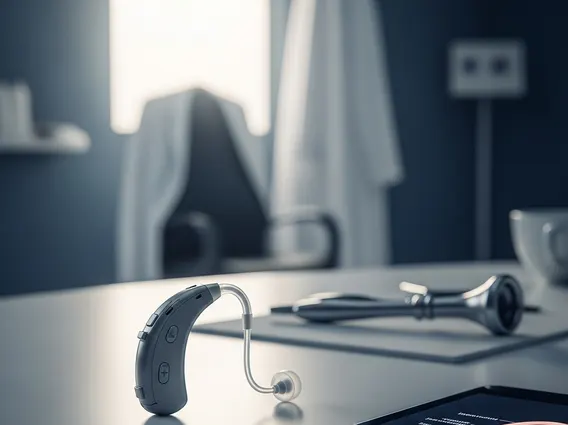
Hearing aids are sophisticated devices designed to make sounds louder and clearer, tailored to an individual’s specific hearing loss profile. They come in various styles, including behind-the-ear (BTE), in-the-ear (ITE), and completely-in-canal (CIC) models, each offering different features and levels of discretion. Modern hearing aids boast advanced digital processing, noise reduction, and connectivity options, allowing for personalized sound environments. Assistive listening devices complement hearing aids by improving listening in challenging environments. These include personal FM systems, amplified telephones, and alerting devices for doorbells or smoke alarms, all designed to enhance communication and safety.
Pharmacological Interventions
In certain cases, medication can play a crucial role in treating or preventing further hearing loss. For example, individuals experiencing sudden sensorineural hearing loss, a medical emergency, may benefit from oral or intratympanic (injected into the middle ear) corticosteroids, which can reduce inflammation and potentially salvage hearing. Ototoxic medications, which can damage the inner ear, are carefully monitored or avoided when possible. Furthermore, conditions like Ménière’s disease, characterized by episodes of vertigo, tinnitus, and fluctuating hearing loss, can be managed with diuretics or other medications to control fluid balance in the inner ear, thereby mitigating symptoms and preserving hearing function.
Latest Advancements in Hearing Loss Treatment
The field of audiology and otolaryngology is continuously evolving, bringing forth new medical treatments for hearing loss that offer hope to individuals with profound hearing impairment or those for whom traditional methods are insufficient. These innovations often involve sophisticated implantable devices or groundbreaking biological research, pushing the boundaries of what is possible in restoring auditory function. The latest advancements in hearing loss treatment are not only improving existing technologies but also exploring entirely new paradigms for addressing the root causes of hearing loss.
One of the most significant advancements has been the refinement and broader application of cochlear implants. These electronic devices bypass damaged parts of the inner ear and directly stimulate the auditory nerve, providing a sense of sound for individuals with severe to profound sensorineural hearing loss. Similarly, bone-anchored hearing systems (BAHS) are designed for those with conductive hearing loss, mixed hearing loss, or single-sided deafness, transmitting sound vibrations directly to the inner ear through the skull bone. These technologies represent a paradigm shift, moving beyond simple amplification to direct neural stimulation or bone conduction.
Beyond established implantable devices, research is actively exploring regenerative medicine and gene therapy. Scientists are investigating the potential to regrow damaged hair cells in the cochlea, which are crucial for converting sound vibrations into electrical signals. Gene therapy aims to correct genetic defects that cause certain types of hereditary hearing loss, while stem cell research seeks to replace damaged cells or tissues within the auditory system. While many of these are still in experimental stages, they hold immense promise for future cures. The table below summarizes some key advanced treatment options:
| Treatment Option | Primary Indication | Mechanism | Current Status |
|---|---|---|---|
| Cochlear Implants | Severe to profound sensorineural hearing loss | Bypasses damaged cochlea, directly stimulates auditory nerve | Established, widely used |
| Bone-Anchored Hearing Systems (BAHS) | Conductive/mixed hearing loss, single-sided deafness | Transmits sound via bone conduction to inner ear | Established, widely used |
| Middle Ear Implants | Moderate to severe sensorineural, mixed, or conductive hearing loss | Directly vibrates middle ear structures | Established, less common than CIs/BAHS |
| Gene Therapy | Genetic forms of hearing loss | Aims to correct genetic defects or restore protein function | Clinical trials (early phases) |
| Stem Cell Therapy | Hair cell regeneration, nerve repair | Replaces damaged cells or promotes tissue repair | Pre-clinical to early clinical trials |
Frequently Asked Questions
What is the most effective treatment for sensorineural hearing loss?
For most cases of permanent sensorineural hearing loss, hearing aids are the primary and most effective non-surgical treatment, amplifying sounds to compensate for inner ear damage. For severe to profound sensorineural hearing loss, cochlear implants are often considered the most effective intervention, as they bypass the damaged cochlea to directly stimulate the auditory nerve, providing a sense of hearing that cannot be achieved with conventional hearing aids.
Can hearing loss be reversed with medication?
In some specific instances, hearing loss can be reversed or improved with medication. This is particularly true for conductive hearing loss caused by infections (e.g., otitis media treated with antibiotics) or inflammation (e.g., sudden sensorineural hearing loss treated with corticosteroids). However, most forms of permanent sensorineural hearing loss, such as age-related hearing loss or noise-induced hearing loss, are not reversible with current pharmacological treatments.
How do I know which medical treatment is right for me?
Determining the right medical treatment for hearing loss requires a comprehensive evaluation by a team of healthcare professionals, including an audiologist and an otolaryngologist. They will assess the type, cause, and severity of your hearing loss, along with your overall health, lifestyle, and communication needs. Based on this personalized assessment, they will recommend the most appropriate options, which may range from hearing aids and medication to surgical interventions like cochlear implants.