Home Care Tips for Fertility Issues in Females
Navigating fertility challenges can be a complex and emotionally demanding journey for many women. While medical intervention often plays a crucial role, integrating supportive home care tips for fertility issues in females can significantly complement professional treatments and enhance overall well-being. This article explores practical, evidence-backed strategies that women can adopt from the comfort of their homes to support their reproductive health.
Key Takeaways
- Adopting a holistic approach through diet, lifestyle, and stress management can significantly support female fertility.
- Nutrient-rich foods, regular moderate exercise, and adequate sleep are foundational for reproductive health.
- Stress reduction techniques and emotional support are vital for women trying to conceive.
- Natural remedies and supplements should always be discussed with a healthcare provider.
- Consistent self-care practices contribute positively to both physical and mental well-being during the fertility journey.
Home Care Tips for Fertility Issues in Females
Addressing fertility issues often involves a multi-faceted approach, where medical treatments are complemented by thoughtful home care. These at-home fertility tips for women focus on creating an optimal internal environment, supporting hormonal balance, and reducing factors that might hinder conception. The goal is to empower women with actionable steps they can take daily to improve their chances of conceiving.
Effective home care begins with understanding that various lifestyle factors can influence reproductive health. From dietary choices to stress levels, each element plays a role in the intricate process of fertility. By consciously integrating supportive practices, women can actively participate in their fertility journey, fostering a sense of control and well-being alongside any medical guidance they receive.
Natural Ways to Enhance Female Fertility
Exploring natural ways to improve female fertility involves a combination of dietary adjustments, specific supplements, and practices aimed at optimizing the body’s natural functions. While these approaches are supportive, they should always be discussed with a healthcare provider to ensure they are appropriate for individual circumstances and do not interfere with other treatments.
Many women seek home remedies for female fertility as a gentle, complementary path to their medical care. These remedies often focus on improving overall health, which in turn can positively impact reproductive function. Key areas include nutritional support, herbal considerations, and stress reduction techniques, all of which contribute to a more balanced physiological state conducive to conception.
Herbal Support for Fertility
Certain herbs have traditionally been used to support reproductive health, though scientific evidence for many is still emerging. For instance, chasteberry (Vitex agnus-castus) is often used to help regulate menstrual cycles and balance hormones, particularly progesterone. Red raspberry leaf is another herb frequently consumed by women trying to conceive, believed to tone the uterus and support overall reproductive health. However, it is crucial to consult with a doctor or a qualified herbalist before incorporating any herbal remedies, as they can interact with medications or be contraindicated in specific conditions.
Stress Reduction Techniques
Chronic stress can significantly impact hormonal balance and ovulatory function, making stress reduction a vital component of natural fertility enhancement. Practices such as mindfulness meditation, yoga, and deep breathing exercises can help lower cortisol levels and promote a sense of calm. Engaging in hobbies, spending time in nature, and ensuring adequate sleep are also effective strategies for managing stress. By reducing stress, women can create a more favorable internal environment for conception, as the body is less likely to be in a “fight or flight” mode that can suppress reproductive processes.
Lifestyle & Diet for Improved Conception
Significant lifestyle changes for female infertility can profoundly impact reproductive health. These changes extend beyond specific treatments, encompassing daily habits that contribute to overall well-being. Prioritizing adequate sleep, managing environmental toxins, and maintaining a healthy weight are all critical components. For instance, studies suggest that both underweight and overweight individuals can experience fertility challenges, emphasizing the importance of a balanced body mass index (BMI) for optimal reproductive function.
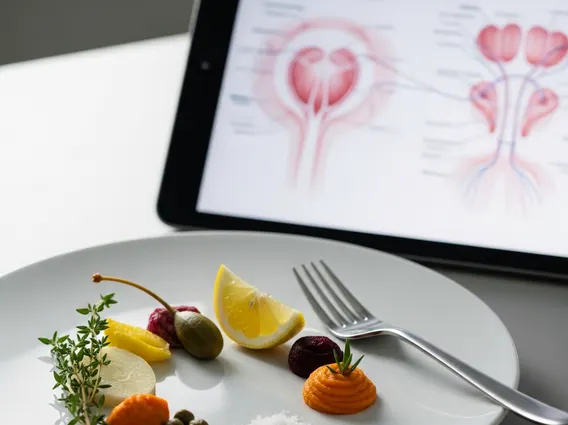
The role of diet and exercise for female fertility cannot be overstated. A balanced, nutrient-dense diet provides the essential building blocks for hormone production and egg quality. Regular, moderate exercise improves blood flow, reduces stress, and helps maintain a healthy weight, all of which are beneficial for conception. However, it’s important to avoid excessive or strenuous exercise, which can sometimes negatively impact fertility by disrupting hormonal balance.
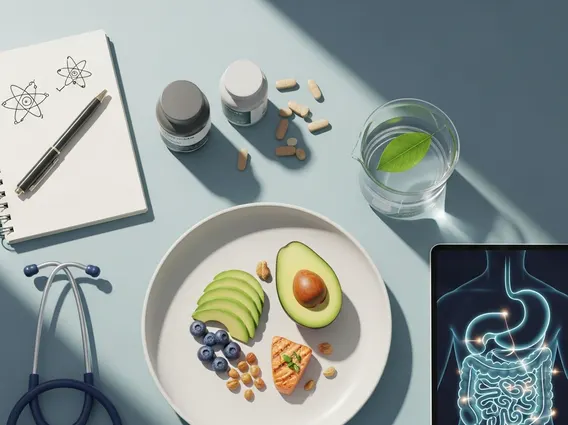
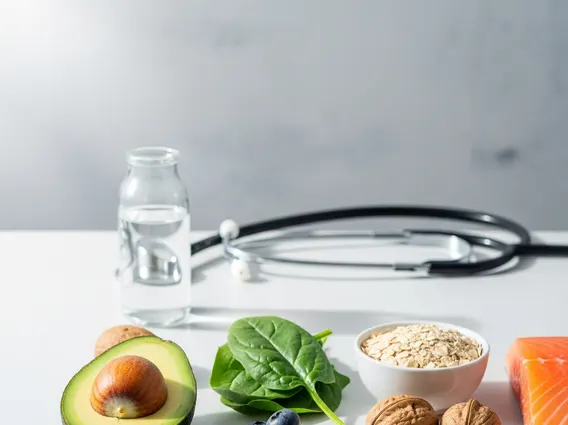
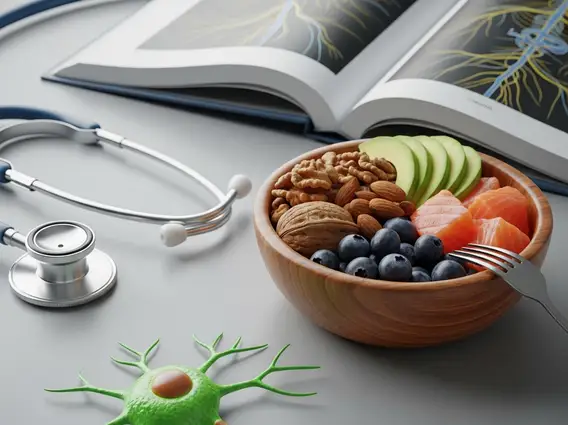
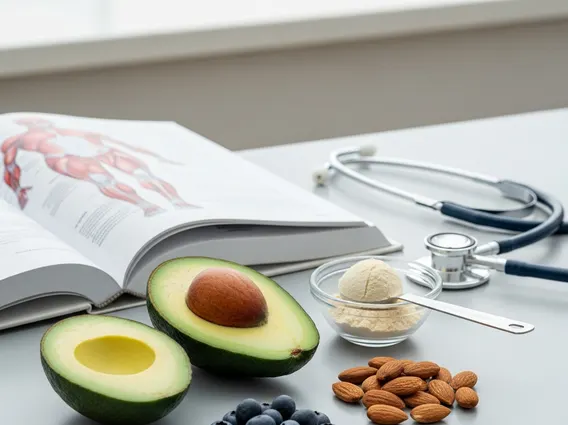
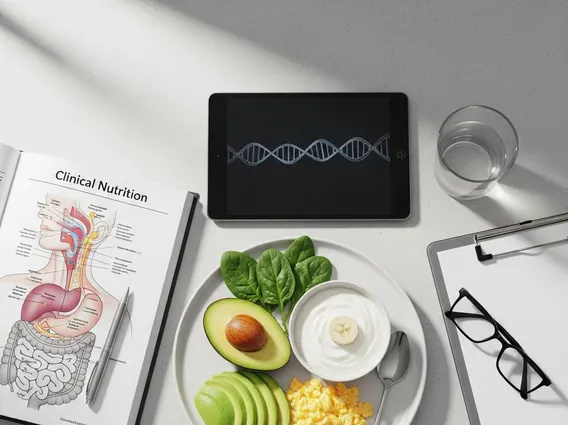
When it comes to diet, focusing on whole, unprocessed foods is key. Here are some dietary tips:
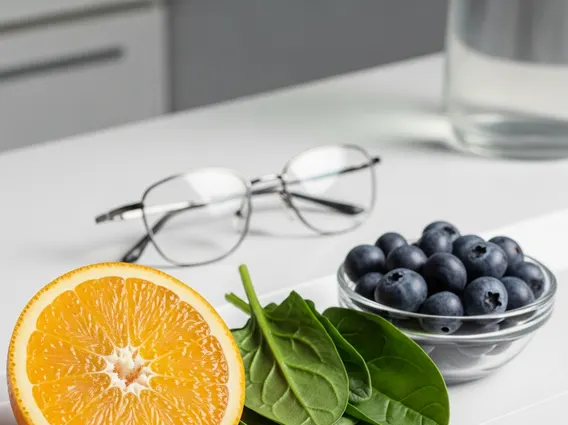
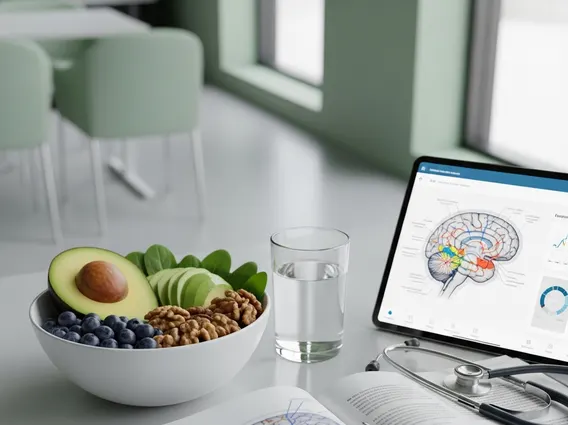
- Increase Antioxidants: Foods rich in antioxidants like fruits, vegetables, and nuts can protect egg cells from damage.
- Choose Healthy Fats: Incorporate monounsaturated and polyunsaturated fats found in avocados, olive oil, and fatty fish, which are crucial for hormone production.
- Opt for Complex Carbohydrates: Whole grains and legumes provide sustained energy and help regulate blood sugar levels, which is important for hormonal balance.
- Ensure Adequate Protein: Include lean proteins from sources like fish, poultry, beans, and lentils.
- Limit Processed Foods: Reduce intake of refined sugars, trans fats, and highly processed foods, which can contribute to inflammation and hormonal disruption.
- Stay Hydrated: Drinking plenty of water is essential for overall cellular function and reproductive health.
Combining these dietary adjustments with a consistent, moderate exercise routine, such as walking, swimming, or cycling, creates a powerful foundation for improving fertility outcomes. Always consult with a healthcare professional or a registered dietitian for personalized dietary advice.
Self-Care for Women Trying to Conceive
The journey of trying to conceive can be emotionally taxing, making dedicated self-care for women trying to conceive absolutely essential. This goes beyond physical health, encompassing mental and emotional well-being. Engaging in activities that bring joy, relaxation, and a sense of purpose can significantly mitigate the stress and anxiety often associated with fertility challenges.
Prioritizing self-care means acknowledging and addressing the emotional rollercoaster that can accompany fertility issues. This might involve seeking support groups, talking to a therapist specializing in fertility, or simply setting aside time each day for personal reflection and relaxation. Maintaining open communication with partners, friends, and family can also provide a crucial support system, helping women feel less isolated during this sensitive time.
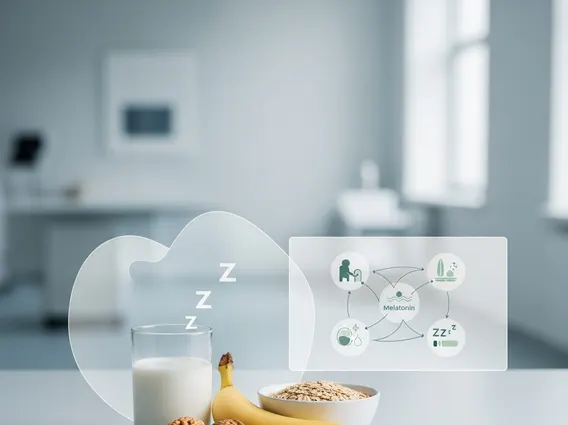
Beyond emotional support, self-care also includes practical steps like ensuring adequate sleep, which is vital for hormonal regulation and overall health. Aim for 7-9 hours of quality sleep per night. Additionally, engaging in mindful practices, such as journaling or meditation, can help process emotions and maintain a positive outlook. Remember, nurturing your mental and emotional health is just as important as your physical health when trying to conceive.
Frequently Asked Questions
What role does nutrition play in female fertility?
Nutrition is fundamental for female fertility, as it provides the essential nutrients required for hormone production, egg quality, and overall reproductive health. A diet rich in antioxidants, healthy fats, complex carbohydrates, and lean proteins supports optimal physiological function. Conversely, diets high in processed foods and unhealthy fats can lead to inflammation and hormonal imbalances, potentially hindering conception. Adequate hydration and specific micronutrients like folate and iron are also crucial for preparing the body for pregnancy.
Can stress truly affect a woman’s ability to conceive?
Yes, chronic stress can significantly impact a woman’s ability to conceive. Prolonged stress can disrupt the delicate hormonal balance necessary for ovulation and menstruation, potentially leading to irregular cycles or anovulation. The body’s “fight or flight” response, triggered by stress, can divert energy away from reproductive functions. Implementing stress reduction techniques such as yoga, meditation, and adequate sleep is therefore a vital component of home care for women trying to conceive, helping to create a more favorable internal environment.
Are there specific exercises recommended for improving female fertility?
Moderate exercise is generally recommended for improving female fertility, as it helps maintain a healthy weight, reduces stress, and improves blood circulation. Activities like brisk walking, swimming, cycling, and yoga are excellent choices. However, it is crucial to avoid excessive or high-intensity exercise, which can sometimes negatively impact hormonal balance and ovulation. The key is consistency and moderation, ensuring that physical activity supports rather than strains the body during the conception journey. Always consult with a healthcare provider before starting any new exercise regimen.
Disclaimer: The information provided in this article is for general knowledge and informational purposes only, and does not constitute medical advice. It is essential to consult with a qualified healthcare professional for any health concerns or before making any decisions related to your health or treatment. Home care tips and natural remedies are supportive measures and do not replace professional medical diagnosis or treatment.