Home Care Tips for Edema
Edema, characterized by swelling caused by excess fluid trapped in your body’s tissues, can be uncomfortable and sometimes concerning. While it can be a symptom of various underlying health conditions, many individuals experience mild to moderate edema that can be effectively managed with simple yet powerful home care strategies.
Key Takeaways
- Elevation and Compression: Elevating affected limbs above heart level and using compression garments are fundamental for reducing fluid accumulation.
- Dietary Modifications: Reducing sodium intake and ensuring adequate hydration are crucial steps in managing fluid balance.
- Regular Movement: Gentle exercise and avoiding prolonged immobility help improve circulation and prevent fluid pooling.
- Skin Care: Protecting swollen skin from injury and infection is an essential part of daily self-care.
- Medical Consultation: Always seek professional medical advice for sudden, severe, or persistent edema, as it can indicate serious underlying health issues.
Effective Home Care Tips for Edema Relief
Effectively managing edema at home often involves a combination of simple lifestyle adjustments and targeted techniques designed to encourage fluid drainage and prevent accumulation. These strategies are foundational for providing edema relief home treatment and can significantly improve comfort and mobility.
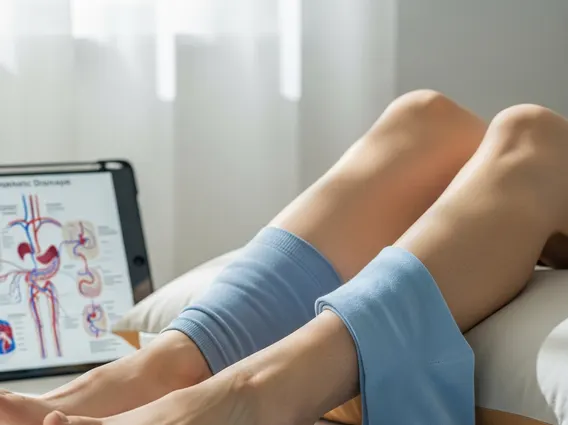
One of the most straightforward and effective methods is elevation. Raising the swollen limb above the level of your heart helps gravity assist in draining the excess fluid back towards the core of your body. For instance, if your legs are swollen, lie down and prop your legs up on pillows so they are higher than your chest. Aim to do this for 15-30 minutes several times a day, especially after periods of standing or sitting. Consistent elevation can be a powerful tool in how to reduce edema at home, particularly for peripheral edema in the limbs.
Another vital component of home care tips for edema is the use of compression garments. These specialized stockings, sleeves, or wraps apply gentle, consistent pressure to the affected area, which helps prevent fluid from pooling in the tissues and encourages its return to circulation. Compression garments are available in various strengths and should be fitted properly to ensure effectiveness without causing discomfort or restricting blood flow. It’s often recommended to put them on in the morning before swelling has a chance to develop fully and remove them before bed. According to the Lymphatic Education & Research Network, compression therapy is a cornerstone of managing lymphedema, a specific type of edema, highlighting its broad utility in fluid management.
Natural Remedies to Reduce Swelling at Home
Beyond physical techniques, several natural approaches and lifestyle modifications can serve as excellent home remedies for edema, helping to mitigate swelling and support overall fluid balance within the body. These methods focus on dietary choices and gentle interventions that complement other home care strategies, contributing to managing edema naturally.
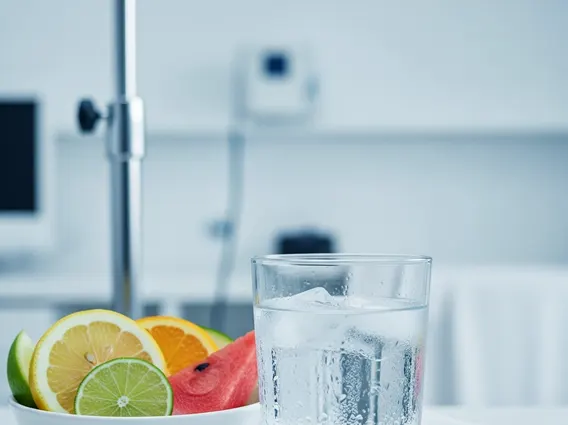
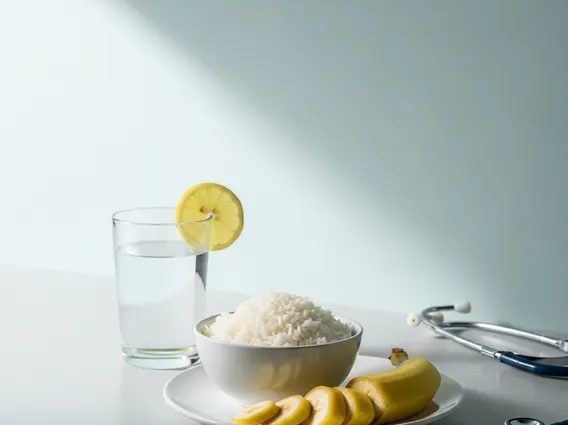
Maintaining proper hydration might seem counterintuitive when dealing with fluid retention, but drinking adequate amounts of water is crucial. Dehydration can signal your body to hold onto fluid, exacerbating edema. Aim for at least 8 glasses of water daily, as recommended by health guidelines, to help your kidneys function efficiently and flush out excess sodium and waste products. This consistent hydration is a key aspect of supporting your body’s natural fluid regulation.
Dietary Adjustments for Fluid Balance
Your diet plays a significant role in fluid retention. Reducing sodium intake is paramount, as sodium causes the body to hold onto water, directly contributing to swelling. Avoid processed foods, canned soups, cured meats, and excessive table salt. Instead, opt for fresh fruits, vegetables, and lean proteins, seasoning your meals with herbs and spices. The American Heart Association recommends limiting sodium intake to no more than 2,300 milligrams per day, with an ideal limit of 1,500 mg for most adults, especially those with high blood pressure or edema.
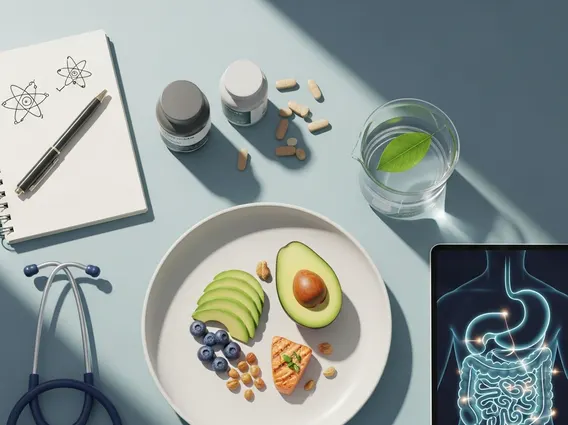
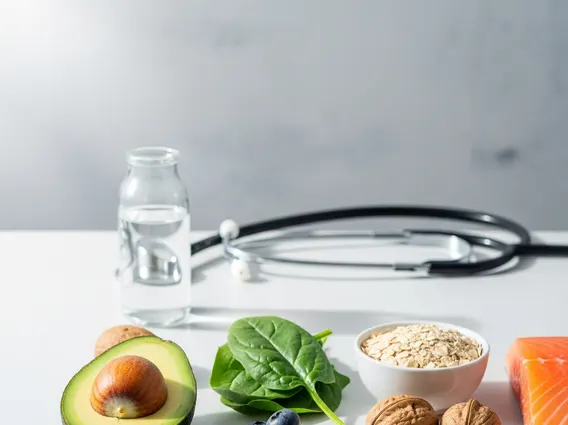
Increasing your intake of potassium-rich foods can also help. Potassium works in conjunction with sodium to regulate fluid balance and blood pressure. Foods like bananas, avocados, spinach, sweet potatoes, and oranges are excellent sources of potassium. Incorporating these into your daily diet can support your body’s natural mechanisms for fluid regulation, making them valuable components of what helps with edema at home.
Herbal and Other Supportive Approaches
Certain natural compounds and practices are believed to offer supportive benefits for edema. For example, some individuals find relief with mild diuretics like dandelion tea, which may help increase urine output. However, it’s crucial to use herbal remedies cautiously and always consult a healthcare professional before incorporating them, especially if you are on medication or have underlying health conditions. Magnesium supplements are another area of interest, as magnesium plays a role in numerous bodily functions, including fluid balance. A deficiency can sometimes contribute to fluid retention, particularly in women experiencing premenstrual edema. Always discuss supplementation with your doctor to ensure it’s appropriate for your specific needs and does not interfere with other treatments.
Daily Self-Care for Managing Edema
Consistent daily practices are essential for long-term managing edema naturally and preventing its recurrence. These routine measures form the backbone of effective edema self-care tips, empowering individuals to take control of their condition through mindful habits and proactive management.
Regular movement and exercise are incredibly beneficial. Prolonged periods of sitting or standing can cause fluid to pool in the lower extremities. Incorporate short walks, ankle pumps, or leg raises into your daily routine, especially if your job requires long periods of immobility. Even simple movements like wiggling your toes or rotating your ankles can stimulate circulation and prevent fluid buildup. For instance, if you have a desk job, set a reminder to get up and walk around for a few minutes every hour. The Centers for Disease Control and Prevention (CDC) emphasizes the importance of physical activity for overall health, including improved circulation and reduced risk of chronic diseases.
Protecting your skin is another critical aspect of edema self-care tips. Swollen skin can become stretched, thin, and more vulnerable to injury, dryness, and infection. Keep the skin clean and well-moisturized to maintain its integrity. Avoid tight clothing or jewelry that could restrict circulation or irritate the skin. Inspect your skin regularly for any cuts, sores, or changes in color or temperature, as these could indicate an infection requiring immediate medical attention.
Here are some practical daily self-care actions to consider:
- Elevate Legs Regularly: Aim for 15-30 minutes, 3-4 times a day, especially in the evening.
- Wear Compression Garments: Apply them in the morning and remove them at night, as advised by your doctor.
- Stay Active: Engage in light exercise like walking or swimming to promote circulation.
- Monitor Sodium Intake: Read food labels and choose low-sodium options.
- Hydrate Adequately: Drink plenty of water throughout the day.
- Inspect Skin: Check for any changes, cuts, or signs of infection on swollen areas.
- Avoid Prolonged Standing/Sitting: Take frequent breaks to move around.
Weight management can also play a role in reducing edema. Excess body weight can put additional strain on the circulatory system and lymphatic system, potentially exacerbating fluid retention. Adopting a balanced diet and engaging in regular physical activity to maintain a healthy weight can significantly alleviate symptoms and contribute to overall well-being, complementing other edema relief home treatment strategies.
When to Consult a Doctor for Edema
While many cases of edema can be effectively managed with home care tips for edema, it is crucial to recognize when the condition warrants professional medical attention. Edema can sometimes be a symptom of a more serious underlying health issue that requires diagnosis and treatment by a healthcare provider. Ignoring these warning signs could lead to significant health complications.
You should seek immediate medical advice if your edema is accompanied by any of the following symptoms: sudden onset of swelling, especially if it affects only one limb; pain, redness, or warmth in the swollen area; shortness of breath or difficulty breathing; chest pain; or if the swelling is severe and rapidly worsening. These symptoms could indicate conditions such as deep vein thrombosis (DVT), heart failure, kidney disease, or a severe infection, all of which require prompt medical evaluation. The World Health Organization (WHO) emphasizes the importance of early diagnosis and treatment for cardiovascular diseases, which can manifest with symptoms like edema.
Even if the edema seems mild, it’s advisable to consult a doctor if it persists despite implementing edema self-care tips, or if you have any pre-existing medical conditions such as heart disease, kidney disease, or liver disease. A healthcare professional can accurately diagnose the cause of your edema, rule out serious conditions, and recommend the most appropriate course of treatment, which may include prescription medications or further diagnostic tests. Self-treating without understanding the root cause can be risky, and a doctor can provide personalized guidance for effective edema relief home treatment.
Frequently Asked Questions
Can diet really help with edema?
Absolutely. Dietary adjustments are a cornerstone of managing edema. Reducing your intake of sodium is critical, as sodium causes the body to retain water, directly contributing to swelling. Conversely, increasing your consumption of potassium-rich foods like bananas and leafy greens can help balance fluids. Staying adequately hydrated by drinking plenty of water also supports kidney function, helping your body flush out excess fluids and toxins more efficiently. These simple changes can significantly impact fluid retention and complement other home care strategies.
How long does it take for home remedies to work?
The time it takes for home remedies to show results can vary widely depending on the underlying cause and severity of your edema, as well as your consistency in applying the remedies. For mild, temporary swelling, you might notice improvement within a few hours to a day of implementing elevation, compression, and dietary changes. However, for more persistent edema, it could take several days or even weeks of consistent effort to see significant reduction. If there’s no improvement or if symptoms worsen, it’s crucial to consult a doctor.
Are there any risks with edema self-care?
While many home care tips for edema are safe and beneficial, there are potential risks if an underlying serious condition is overlooked. Relying solely on self-care without a proper diagnosis can delay treatment for conditions like heart failure, kidney disease, or DVT. Misusing compression garments, such as wearing them too tightly, can also restrict circulation. Additionally, some herbal remedies can interact with medications or be unsafe for certain health conditions. Always consult a healthcare professional to ensure your self-care plan is safe and appropriate for your specific health needs.
Disclaimer: The information provided in this article is intended for general knowledge and informational purposes only, and does not constitute medical advice. It is essential to consult with a qualified healthcare professional for any health concerns or before making any decisions related to your health or treatment. This information should not be used as a substitute for professional medical advice, diagnosis, or treatment.