Home Care Tips for Constipation
Constipation is a common digestive issue characterized by infrequent bowel movements or difficulty passing stools. While often temporary and mild, it can cause significant discomfort and impact daily life. Fortunately, many effective home care tips for constipation can provide relief and promote regular bowel health.
Key Takeaways
- Increase your daily fiber intake through fruits, vegetables, and whole grains to soften stools.
- Ensure adequate hydration by drinking plenty of water throughout the day.
- Incorporate regular physical activity into your routine to stimulate bowel function.
- Establish a consistent bowel movement schedule and avoid ignoring the urge to go.
- Consult a healthcare professional if constipation is severe, persistent, or accompanied by alarming symptoms like blood in stool or unexplained weight loss.
Effective Home Care Tips for Constipation Relief
Addressing constipation often begins with simple yet powerful changes to daily habits. These constipation relief tips for adults focus on optimizing your body’s natural digestive processes, providing a foundation for better bowel health. Many individuals find significant improvement by consistently applying these strategies, making them some of the best home treatments for constipation.
One of the most fundamental strategies for managing constipation with home care is ensuring adequate hydration. Water plays a crucial role in softening stool, allowing it to pass more easily through the intestines. Aim to drink at least eight 8-ounce glasses of water daily, and even more if you are physically active or live in a hot climate. Dehydration is a common contributor to hard, difficult-to-pass stools, so making water your primary beverage choice is paramount. Beyond plain water, herbal teas and clear broths can also contribute to your fluid intake.
Regular physical activity is another cornerstone of effective home care for constipation. Exercise helps stimulate the natural contractions of the muscles in your intestines, which are essential for moving stool through the digestive tract. Even moderate activity, such as a daily 30-minute walk, can make a noticeable difference. For those seeking more vigorous options, activities like jogging, swimming, or cycling can further enhance bowel motility. The key is consistency, as a sedentary lifestyle often exacerbates constipation.
Establishing Healthy Bowel Habits
Beyond diet and exercise, cultivating healthy bowel habits is vital for preventing and relieving constipation. Our bodies thrive on routine, and the digestive system is no exception. Trying to have a bowel movement at the same time each day, ideally after a meal when the gastrocolic reflex is most active, can train your body for regularity. It’s also crucial never to ignore the urge to have a bowel movement, as delaying can lead to harder stools and increased difficulty.
Utilizing Natural Laxatives and Aids
Certain natural substances can act as gentle aids for constipation relief. For instance, magnesium citrate, available as a supplement, can draw water into the intestines, softening stool. Similarly, psyllium husk, a form of soluble fiber, adds bulk to stool and can be taken with plenty of water. Always start with the lowest effective dose and consult with a healthcare provider before introducing new supplements, especially if you have underlying health conditions or are taking other medications.
Dietary Changes for Natural Constipation Relief
Diet plays a pivotal role in digestive health, and making specific adjustments can be among the most effective home remedies for constipation. Focusing on nutrient-rich foods that support gut function is key to finding natural ways to relieve constipation. These dietary strategies are often the first line of defense and can significantly improve bowel regularity for many individuals.
Increasing your fiber intake is perhaps the most well-known and effective dietary change for constipation. Fiber adds bulk to stool, helping it move through the intestines, and also absorbs water, making stools softer and easier to pass. There are two main types of fiber: soluble and insoluble. Soluble fiber, found in oats, beans, apples, and citrus fruits, dissolves in water to form a gel-like substance. Insoluble fiber, found in whole grains, wheat bran, and many vegetables, adds bulk to stool. Aim for 25-30 grams of fiber per day, but increase your intake gradually to avoid gas and bloating. Always accompany increased fiber with increased fluid intake.
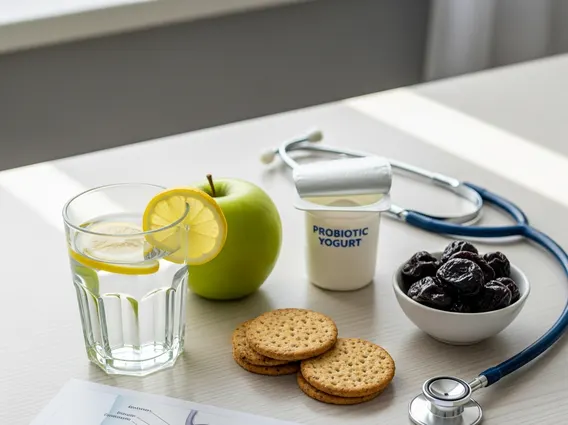
Incorporating specific fruits and vegetables known for their laxative properties can further enhance what helps constipation naturally. Prunes are a classic example, rich in fiber and sorbitol, a sugar alcohol that has a natural laxative effect. Other fruits like figs, kiwis, and berries are also excellent sources of fiber. Leafy green vegetables such as spinach and kale, along with root vegetables like carrots and sweet potatoes, provide essential fiber and nutrients that support digestive health. A diverse intake of plant-based foods ensures a wide range of beneficial compounds for your gut.
The Importance of Probiotics and Prebiotics
Beyond fiber, supporting a healthy gut microbiome is crucial. Probiotics, beneficial bacteria found in fermented foods like yogurt, kefir, sauerkraut, and kimchi, can help balance the gut flora, which in turn can improve digestion and regularity. Prebiotics, non-digestible fibers that feed these beneficial bacteria, are found in foods like garlic, onions, bananas, and whole oats. Including both probiotics and prebiotics in your diet and lifestyle for constipation can foster a healthier gut environment, contributing to smoother bowel movements.
Foods to Limit or Avoid
While focusing on beneficial foods, it’s also wise to limit or avoid those that can exacerbate constipation. Highly processed foods, often low in fiber and high in unhealthy fats and refined sugars, can slow down digestion. Red meat, dairy products (for some individuals), and excessive caffeine or alcohol can also contribute to constipation. Paying attention to how your body reacts to different foods can help you identify personal triggers and tailor your diet for optimal bowel health.
Lifestyle Adjustments for Better Bowel Health
Beyond what you eat and drink, your overall lifestyle significantly impacts digestive function. Making conscious lifestyle adjustments is an integral part of managing constipation with home care and achieving sustained bowel health. These changes often complement dietary modifications, creating a holistic approach to preventing and relieving discomfort.
Stress management is a critical, yet often overlooked, component of digestive wellness. The gut and brain are intimately connected through the gut-brain axis, meaning that emotional stress can directly influence gut motility and function. High levels of stress can slow down digestion, leading to constipation, or conversely, speed it up, causing diarrhea. Incorporating stress-reducing activities such as meditation, yoga, deep breathing exercises, or spending time in nature can help calm the nervous system and promote a more relaxed digestive tract. Prioritizing mental well-being is an essential aspect of a comprehensive diet and lifestyle for constipation management.
Adequate sleep is another fundamental lifestyle factor influencing overall health, including digestive regularity. When you sleep, your body undergoes various restorative processes, and a lack of sufficient rest can disrupt these functions, potentially impacting bowel movements. Aim for 7-9 hours of quality sleep per night to support your body’s natural rhythms and optimize digestive processes. Establishing a consistent sleep schedule, even on weekends, can help regulate your body’s internal clock and contribute to better bowel health.
| Habit | Benefit for Constipation | Recommendation |
|---|---|---|
| Regular Exercise | Stimulates intestinal muscle contractions. | 30 minutes of moderate activity daily (e.g., walking). |
| Stress Reduction | Calms the gut-brain axis, reduces digestive slowdown. | Meditation, yoga, deep breathing, hobbies. |
| Adequate Sleep | Supports body’s restorative processes, regulates gut function. | 7-9 hours of quality sleep per night. |
| Mindful Eating | Aids digestion, prevents overeating. | Eat slowly, chew thoroughly, pay attention to hunger cues. |
When to Seek Medical Advice for Constipation
While many cases of constipation respond well to home remedies for constipation and lifestyle adjustments, it’s crucial to recognize when symptoms warrant professional medical attention. Persistent or severe constipation can sometimes indicate an underlying health issue that requires diagnosis and treatment by a healthcare provider. Ignoring warning signs could lead to complications or delay the identification of a more serious condition.
You should consult a doctor if your constipation is new, severe, or lasts for more than a few weeks despite consistent efforts with home care tips for constipation. Additionally, certain accompanying symptoms are red flags that necessitate immediate medical evaluation. These include blood in your stool, unexplained weight loss, severe abdominal pain, persistent nausea or vomiting, or an inability to pass gas. A sudden change in bowel habits, especially in older adults, should also be discussed with a healthcare professional to rule out any serious conditions.
Your doctor can help determine the cause of your constipation, which might range from medication side effects, irritable bowel syndrome (IBS), or other gastrointestinal disorders, to more serious conditions like bowel obstruction. They can also recommend appropriate medical treatments, such as prescription medications or further diagnostic tests, if necessary. Never hesitate to seek professional advice if you are concerned about your symptoms, as early diagnosis and intervention can prevent complications and improve your quality of life.
Frequently Asked Questions
How quickly can home remedies for constipation work?
The effectiveness and speed of home remedies for constipation can vary significantly among individuals. Simple changes like increasing water intake or eating prunes might offer relief within hours to a day. However, more comprehensive dietary and lifestyle adjustments, such as consistently increasing fiber and exercise, may take a few days to a week to establish regular bowel movements. Patience and consistency are key to seeing lasting results from natural approaches.
Are there specific foods to avoid if I’m constipated?
While the focus is often on what to eat, certain foods can exacerbate constipation for some individuals. Common culprits include highly processed foods, which are typically low in fiber, and foods high in unhealthy fats or refined sugars. For some, excessive dairy intake or large amounts of red meat can also contribute to slower digestion. It’s beneficial to observe how your body reacts to different foods and adjust your diet accordingly to identify personal triggers.
Can stress really cause constipation?
Yes, stress can significantly impact bowel function and contribute to constipation. The gut and brain are intricately linked through the gut-brain axis, meaning emotional and psychological stress can directly influence the motility and secretion of the digestive system. When stressed, the body’s “fight or flight” response can slow down digestion, leading to symptoms like constipation. Incorporating stress-reduction techniques into your daily routine can therefore be an effective part of managing constipation with home care.
Disclaimer: The information provided in this article is for educational purposes only and is not intended as a substitute for professional medical advice, diagnosis, or treatment. Always seek the advice of your physician or other qualified health provider with any questions you may have regarding a medical condition.