Hearing and Balance Exercises for Hearing Loss Recovery
Hearing loss can significantly impact an individual’s quality of life, extending beyond just auditory challenges to affect balance and spatial awareness. Fortunately, targeted hearing and balance recovery exercises offer a proactive approach to mitigate these issues, fostering improved stability and potentially enhancing auditory processing.

Key Takeaways
- Hearing loss often correlates with balance issues, and targeted exercises can help improve both.
- At home exercises for hearing loss, such as gaze stabilization and balance drills, are accessible and beneficial.
- Professional physical therapy for hearing and balance, particularly vestibular therapy, offers personalized and effective interventions.
- Consistency in performing exercises to improve hearing and balance is key to achieving lasting benefits.
- These exercises leverage the brain’s neuroplasticity to adapt and compensate for sensory deficits.
Why Hearing and Balance Recovery Exercises Help
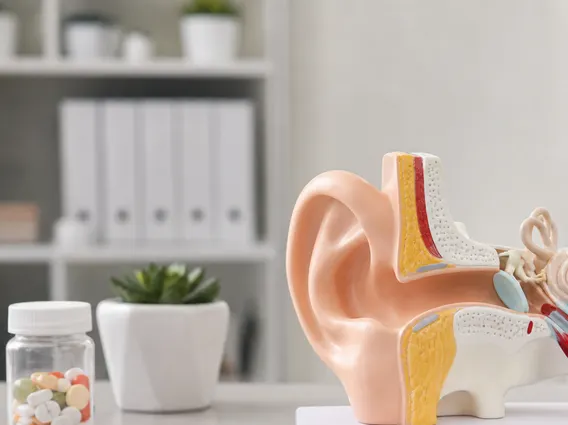
The intricate connection between our auditory and vestibular systems means that issues in one often affect the other. The inner ear houses both the cochlea, responsible for hearing, and the vestibular system, which manages balance and spatial orientation. When hearing loss occurs, particularly due to inner ear damage, it can disrupt the signals sent to the brain, leading to difficulties with balance, dizziness, and an increased risk of falls. The World Health Organization (WHO) estimates that over 5% of the world’s population, approximately 430 million people, experience disabling hearing loss, many of whom also contend with associated balance challenges.
Engaging in specific hearing and balance recovery exercises can significantly alleviate these symptoms. These exercises work by stimulating the brain’s neuroplasticity, its remarkable ability to reorganize and form new neural connections. By consistently challenging the balance system and integrating visual and proprioceptive (body position) cues, the brain learns to compensate for diminished auditory input. This adaptive process helps individuals regain confidence in their movements and reduces the cognitive load associated with maintaining balance, freeing up mental resources that might otherwise be consumed by stability concerns.
Moreover, regular physical activity, including targeted exercises to improve hearing and balance, can enhance overall physical fitness, muscle strength, and flexibility, all of which are vital for maintaining stability. Research has shown a clear link between hearing loss and an increased risk of falls; for instance, a study by Johns Hopkins Medicine indicated that for every 10-decibel increase in hearing loss, the risk of falling increases by 1.4 times. By addressing the underlying balance deficits through structured exercise, individuals can proactively reduce their fall risk and improve their functional independence.
At-Home Exercises for Hearing & Balance Improvement
Incorporating at home exercises for hearing loss into a daily routine can be a highly effective way to manage balance issues and support overall well-being. These exercises are designed to be accessible and can be performed without specialized equipment, making them a practical option for many individuals. Consistency is paramount, as regular practice helps reinforce neural pathways and improves motor control over time. Always ensure a safe environment, free from obstacles, and have a sturdy support nearby, such as a wall or chair, especially when starting new exercises.
These exercises often focus on improving gaze stability, which is the ability to keep your eyes fixed on a target while your head moves, and enhancing static and dynamic balance. They are fundamental components of balance exercises for hearing loss, aiming to retrain the brain to process sensory information more effectively. Starting with simpler movements and gradually increasing difficulty as balance improves is a safe and effective approach. It is always advisable to consult with a healthcare professional before beginning any new exercise regimen, particularly if you have underlying health conditions.
Gaze Stabilization Exercises
Gaze stabilization exercises are crucial for individuals experiencing dizziness or unsteadiness, as they help train the eyes and inner ear to work together more efficiently. These exercises improve the vestibulo-ocular reflex (VOR), which is responsible for keeping vision stable during head movements. A common exercise involves focusing on a target while moving the head. For example, sit or stand comfortably and hold a card with a letter or image at arm’s length. Keep your eyes fixed on the letter while slowly moving your head from side to side, then up and down. Perform these movements smoothly for 30 seconds to a minute, taking short breaks as needed. Gradually increase the speed of head movements as you become more comfortable, ensuring the target remains clear.
Another variation involves moving the target while keeping the head still, or moving both the head and the target in opposite directions. These exercises challenge the visual and vestibular systems simultaneously, helping to recalibrate their coordination. Regular practice can significantly reduce symptoms of visual blurriness or dizziness that occur with head movements, making daily activities like walking and reading much easier and safer. These are foundational exercises to improve hearing and balance, directly addressing the sensory integration challenges often faced with hearing impairment.
Balance Training Drills
Balance training drills are essential balance exercises for hearing loss, focusing on improving stability and proprioception. These drills range from simple static balance tasks to more dynamic movements. A basic exercise involves standing on one leg: hold onto a support initially, then gradually try to balance without support for 10-30 seconds, alternating legs. As this becomes easier, try closing your eyes briefly (only if safe and with support) to remove visual cues, further challenging your vestibular system.
Another effective drill is heel-to-toe walking, where you place the heel of one foot directly in front of the toes of the other, as if walking on a tightrope. This exercise enhances coordination and stability. Incorporating movements like walking backward or sideways, or performing gentle squats while maintaining balance, can also be beneficial. For added challenge, try performing these exercises on slightly uneven surfaces, such as a thick mat, to stimulate different balance responses. Always prioritize safety and ensure you have adequate support to prevent falls, especially when progressing to more challenging variations.
- Standing on One Leg: Hold a support, lift one foot, and balance for 10-30 seconds. Repeat 5-10 times per leg.
- Heel-to-Toe Walk: Walk in a straight line, placing the heel of the front foot directly in front of the toes of the back foot.
- Tai Chi or Yoga: These practices incorporate slow, deliberate movements and postures that significantly improve balance, flexibility, and body awareness.
- Walking with Head Turns: While walking normally, slowly turn your head from side to side, then up and down, keeping your gaze steady.
Vestibular Therapy for Hearing Loss Recovery
When at home exercises for hearing loss are not sufficient, or if balance issues are severe, professional intervention through vestibular therapy becomes crucial. Vestibular therapy is a specialized form of physical therapy for hearing and balance that aims to improve balance, reduce dizziness, and enhance overall stability by retraining the brain and body. A qualified physical therapist will conduct a comprehensive evaluation to identify the specific deficits in the vestibular system, vision, and proprioception, and then design an individualized treatment plan. This personalized approach ensures that the exercises target the unique challenges faced by each patient, making it a highly effective strategy for hearing loss recovery exercises.
The core of vestibular therapy involves a series of specific vestibular exercises for hearing recovery tailored to the patient’s condition. These exercises typically fall into categories such as habituation, gaze stabilization, and balance training. Habituation exercises are designed to reduce dizziness symptoms by repeatedly exposing the patient to movements or visual stimuli that provoke their symptoms, gradually desensitizing the brain. Gaze stabilization exercises, similar to those performed at home but often more advanced, help improve the coordination between eye and head movements. Balance training exercises are progressively challenging activities that improve static and dynamic balance, often incorporating various surfaces and visual conditions.
Beyond specific exercises, vestibular therapy also includes education on managing symptoms, strategies for fall prevention, and guidance on modifying daily activities to reduce dizziness and improve safety. The therapist may also incorporate techniques like canalith repositioning procedures (CRP) for conditions like Benign Paroxysmal Positional Vertigo (BPPV), which can often coexist with hearing loss. The goal is not just to alleviate symptoms but to empower individuals with the tools and knowledge to maintain their balance and functional independence long-term, significantly improving their quality of life despite hearing challenges.
Frequently Asked Questions
Can exercises truly improve hearing?
While exercises cannot reverse sensorineural hearing loss, they can significantly improve the brain’s ability to process auditory information and compensate for deficits. Exercises primarily target balance and the brain’s cognitive resources, which can indirectly make it easier to focus on sounds and improve overall auditory perception. They enhance the brain’s neuroplasticity, helping it adapt to changes in sensory input and better integrate information from the remaining senses.
How long does it take to see results from balance exercises?
The time it takes to see results from balance exercises for hearing loss varies greatly among individuals, depending on the severity of their condition, consistency of practice, and overall health. Some people may notice improvements in a few weeks, while others might require several months of consistent effort. Regular, dedicated practice, ideally daily, is crucial for stimulating neuroplasticity and achieving lasting benefits. Patience and perseverance are key to successful recovery.
Are these exercises safe for everyone with hearing loss?
While generally safe, it is crucial to consult a healthcare professional, such as an audiologist or physical therapist, before starting any new exercise program, especially if you have underlying medical conditions or severe balance issues. They can assess your specific situation, recommend appropriate hearing and balance recovery exercises, and ensure the exercises are tailored to your capabilities and safe for your condition. Some exercises might need modification or supervision, particularly for individuals at high risk of falls.