Causes of Hair Loss in Cancer Patients
Hair loss is a widely recognized and often distressing side effect experienced by many individuals undergoing cancer treatment. While commonly associated with chemotherapy, it’s important to understand that several factors contribute to this phenomenon. This article aims to provide a comprehensive overview of the primary causes of hair loss in cancer patients, shedding light on the mechanisms behind this challenging experience.
Key Takeaways
- Chemotherapy is a major cause of hair loss, targeting rapidly dividing cells, including hair follicles.
- Radiation therapy typically causes localized hair loss only in the treated area, which can be permanent depending on the dose.
- Other factors like hormone therapies, targeted drugs, and the cancer itself can also contribute to hair thinning.
- The extent and reversibility of hair loss vary significantly based on the specific treatment, dosage, and individual patient factors.
- Understanding these hair loss reasons during cancer treatment can help patients and caregivers better prepare and cope.
Chemotherapy-Induced Hair Loss Explained
One of the most well-known and impactful hair loss reasons during cancer treatment is chemotherapy. These powerful drugs are designed to kill rapidly dividing cancer cells throughout the body. Unfortunately, hair follicles, which are among the fastest-growing cells in the human body, are also highly susceptible to the effects of chemotherapy agents. This indiscriminate action leads to damage to the hair matrix cells, halting hair growth and causing the hair shaft to weaken and break, resulting in significant hair shedding.
The extent of hair loss can vary dramatically among patients, ranging from mild thinning to complete baldness across the scalp and body. This is a primary concern for many patients, as it profoundly impacts body image and self-esteem during an already challenging time. According to the American Cancer Society, hair loss is one of the most feared side effects of chemotherapy, affecting a vast majority of patients receiving certain types of drugs. Chemotherapy and hair loss causes are directly linked to the drug’s mechanism of action, which doesn’t differentiate between cancerous cells and healthy, rapidly proliferating cells like those in hair follicles.
Mechanism of Action
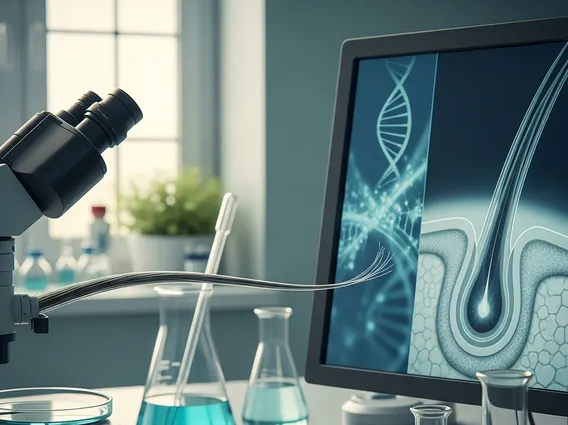
The primary mechanism behind chemotherapy and hair loss causes involves the disruption of the hair growth cycle. Hair follicles cycle through three main phases: anagen (growth), catagen (transition), and telogen (resting). Chemotherapy drugs primarily target cells in the anagen phase, which is the active growth phase. By damaging these cells, the drugs prematurely push the hair follicles into the catagen and telogen phases, leading to widespread shedding. This process is known as anagen effluvium. The severity depends on the specific drug, its dosage, and the individual’s sensitivity.
Factors Influencing Severity
Several factors determine the degree of hair loss experienced by oncology patients undergoing chemotherapy. These include the type of chemotherapy drug, the dose administered, the treatment schedule, and individual patient characteristics. Some drugs are highly associated with complete hair loss, while others may only cause thinning. Understanding these variables is crucial for understanding hair loss in oncology patients and managing expectations.
Here’s a summary of key factors influencing chemotherapy-induced hair loss:
- Type of Chemotherapy Drug: Certain agents, such as anthracyclines (e.g., doxorubicin) and taxanes (e.g., paclitaxel, docetaxel), are highly associated with significant hair loss.
- Dosage and Schedule: Higher doses and more frequent treatments generally lead to more severe hair loss.
- Route of Administration: Intravenous chemotherapy typically has a more systemic effect on hair follicles than localized treatments.
- Individual Sensitivity: Genetic predispositions and individual variations in hair follicle sensitivity can influence the extent of hair loss.
- Hair Type: While all hair types are affected, very fine or fragile hair might appear to thin more rapidly.
The impact of cancer drugs causing hair thinning extends beyond the scalp, often affecting eyebrows, eyelashes, and body hair. This comprehensive shedding can be particularly distressing, highlighting the systemic nature of chemotherapy’s effects.
Radiation Therapy and Localized Hair Thinning
Unlike chemotherapy, radiation therapy hair loss explanation is fundamentally different. Radiation therapy uses high-energy rays to destroy cancer cells in a specific, targeted area of the body. Consequently, hair loss from radiation therapy is typically localized, occurring only in the area being treated. For example, if radiation is directed at the head for a brain tumor, hair loss will occur on the scalp within the radiation field. If radiation is applied to other parts of the body, hair loss will be limited to that specific region.
The degree of hair loss and its potential for regrowth depend heavily on the radiation dose and the duration of treatment. Lower doses may cause temporary hair thinning, with hair often regrowing several months after treatment concludes, though it might be different in texture or color. However, higher doses of radiation can permanently damage hair follicles, leading to irreversible hair loss in the treated area. This distinction is vital for understanding hair loss in oncology patients, as it helps differentiate between systemic and localized causes.
The mechanism involves direct damage to the hair follicle cells by the radiation. The cells responsible for hair growth are highly sensitive to radiation, leading to their destruction or impairment. This localized effect means that hair outside the radiation field remains unaffected. Patients undergoing radiation to the head often experience a distinct pattern of hair loss that corresponds precisely to the treatment area, providing a clear visual indicator of the therapy’s reach. This localized nature is a key differentiator when considering hair loss reasons during cancer treatment.
Other Medical Causes of Hair Loss in Cancer Patients
While chemotherapy and radiation are the most prominent causes, other medical reasons for hair loss in cancer patients exist. These can include other types of cancer treatments, the cancer itself, and associated conditions or medications. It’s important to consider these additional factors when addressing the comprehensive issue of hair loss in this population.
Hormone Therapy and Targeted Drugs
Certain cancer treatments, particularly hormone therapies used for breast or prostate cancer, can also lead to hair thinning. These drugs work by blocking hormones that fuel cancer growth, but these hormones also play a role in healthy hair growth. For instance, aromatase inhibitors used in breast cancer can cause diffuse hair thinning by altering estrogen levels. Similarly, some newer targeted therapies, which are designed to attack specific vulnerabilities in cancer cells, can also have side effects on hair follicles, leading to hair loss or changes in hair texture. These cancer drugs causing hair thinning operate through different pathways than traditional chemotherapy but can still have a noticeable impact.
Nutritional Deficiencies and Stress
Cancer and its treatments can place immense stress on the body, leading to nutritional deficiencies that might contribute to hair loss. Conditions like anemia, low protein levels, or deficiencies in essential vitamins and minerals (e.g., iron, zinc, biotin) can impair hair growth. The psychological and physical stress associated with a cancer diagnosis and treatment can also trigger telogen effluvium, a temporary condition where a significant number of hair follicles prematurely enter the resting phase and then shed. This is a common medical reason for hair loss in cancer that is not directly drug-induced but rather a systemic response to illness and stress.
The Cancer Itself
In some rare instances, the cancer itself can contribute to hair loss, particularly certain types of lymphomas or cancers that affect hormone production or nutrient absorption. Paraneoplastic syndromes, which are rare disorders triggered by an altered immune response to a tumor, can also sometimes manifest with dermatological symptoms, including hair changes or loss. While less common than treatment-induced hair loss, it’s a factor that oncologists consider when evaluating the overall health of a patient. This highlights that why do cancer patients lose hair isn’t always solely about the treatment, but can sometimes be linked to the underlying disease.
Frequently Asked Questions
Why do cancer patients lose hair?
Cancer patients lose hair primarily because of treatments like chemotherapy and radiation therapy. Chemotherapy drugs target rapidly dividing cells, including hair follicle cells, leading to widespread shedding. Radiation therapy causes localized hair loss by damaging follicles only in the treated area. Other factors like hormone therapies, targeted drugs, nutritional deficiencies, and the stress of illness can also contribute to hair thinning, making it a multifaceted issue for oncology patients.
Is hair loss from cancer treatment always permanent?
No, hair loss from cancer treatment is not always permanent. Hair loss due to chemotherapy is usually temporary, with regrowth typically starting a few weeks to months after treatment ends, though the new hair might differ in texture or color. For radiation therapy, hair loss can be temporary or permanent, depending on the dose and area treated. Lower doses often result in temporary thinning, while higher doses can cause irreversible damage to hair follicles.
What can be done to manage hair loss during cancer treatment?
Managing hair loss involves various strategies. Scalp cooling (cold caps) can sometimes reduce chemotherapy-induced hair loss by constricting blood vessels to the follicles. Patients can also choose to wear wigs, scarves, or hats to cope with appearance changes. Gentle hair care, avoiding harsh chemicals, and maintaining good nutrition are also recommended. Discussing options with the oncology team is crucial for personalized advice and support.