Balance Exercises to Reduce Dizziness
Dizziness and vertigo can significantly impact daily life, making simple tasks challenging and increasing the risk of falls. Fortunately, targeted balance exercises for dizziness can be a highly effective strategy to alleviate these symptoms and improve overall stability. This article explores how specific movements and training can help retrain your body’s balance system, offering a path towards greater confidence and reduced discomfort.

Key Takeaways
- Balance exercises for dizziness work by retraining the vestibular system and improving proprioception.
- Regular practice of exercises for dizziness and balance can significantly reduce the frequency and intensity of dizzy spells.
- Both static and dynamic exercises are crucial for comprehensive dizziness relief through balance training.
- Many effective at-home balance exercises for dizziness can be performed safely with proper precautions.
- Consistency and gradual progression are key to safely and effectively how to improve balance to reduce dizziness.
Why Balance Exercises Help Dizziness
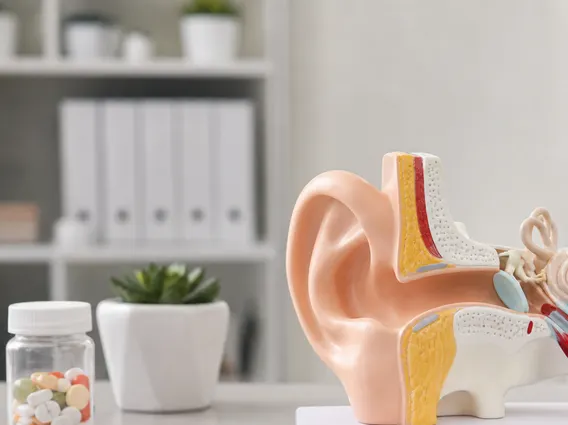
Dizziness often stems from issues within the vestibular system, a complex network in the inner ear and brain responsible for processing sensory information about motion, head position, and spatial orientation. When this system is disrupted, it can send conflicting signals to the brain, leading to sensations of spinning, unsteadiness, or lightheadedness. Engaging in specific balance exercises for dizziness helps to recalibrate this system, promoting better coordination between the inner ear, eyes, and muscles.
These exercises facilitate a process known as vestibular habituation and adaptation. Habituation involves repeatedly exposing the system to movements that trigger dizziness, gradually reducing the brain’s sensitivity to these stimuli. Adaptation, on the other hand, encourages the brain to compensate for any underlying vestibular deficits by relying more on other sensory inputs, such as vision and proprioception (the sense of where your body is in space). This comprehensive approach to dizziness relief through balance training strengthens the neural pathways responsible for maintaining equilibrium, leading to more stable posture and movement.
Furthermore, regular exercises for dizziness and balance enhance muscle strength and flexibility, particularly in the core and lower body, which are vital for maintaining an upright position. Improved physical conditioning also contributes to better reaction times, allowing individuals to recover more quickly from unexpected shifts in balance. According to the Centers for Disease Control and Prevention (CDC), falls are a leading cause of injury among older adults, and dizziness significantly increases this risk. Incorporating balance training can therefore play a crucial role in fall prevention and enhancing overall quality of life.
Best Balance Exercises for Dizziness Relief
To achieve the best balance exercises for dizziness relief, a varied approach incorporating both static and dynamic movements is recommended. These exercises progressively challenge your balance system, helping it adapt and strengthen over time. Always ensure you have a stable support nearby, such as a wall or a sturdy chair, especially when first attempting new exercises.
Starting with simpler exercises and gradually increasing difficulty is crucial. Consistency is key, aiming for short, regular sessions rather than infrequent, long ones. Listen to your body and stop if you experience severe dizziness or pain. Consulting a physical therapist or healthcare professional can provide personalized guidance and ensure the exercises are appropriate for your specific condition.
Static Balance Exercises
Static balance exercises focus on maintaining a steady position without movement, which helps to build foundational stability. These are excellent exercises for dizziness and balance as they train the body to hold equilibrium in challenging stances.
- Tandem Stance (Heel-to-Toe Stand): Stand with one foot directly in front of the other, so the heel of your front foot touches the toes of your back foot. Hold this position for 30 seconds, then switch feet. Progress by closing your eyes or standing on an uneven surface like a pillow.
- Single-Leg Stance: Stand on one leg, keeping your gaze fixed on a point in front of you. Hold for 20-30 seconds, then switch legs. As you improve, try holding the position for longer, closing your eyes, or gently moving your head from side to side.
- Flamingo Stand: Similar to the single-leg stance, but gently lift the heel of your standing foot off the ground. This further challenges ankle stability.
Dynamic Balance Exercises
Dynamic balance exercises involve movement while maintaining equilibrium, which is vital for everyday activities and can be particularly effective as balance exercises to stop vertigo by training the vestibular system to handle motion.
- Walking Heel-to-Toe: Walk in a straight line, placing the heel of one foot directly in front of the toes of the other foot, as if walking on a tightrope. Take 10-20 steps, turn around, and repeat. This improves coordination and proprioception.
- Walking with Head Turns: While walking normally, slowly turn your head from side to side with each step, or look up and down. This challenges your vestibular system to maintain balance while your head is in motion, mimicking real-life scenarios that might trigger dizziness.
- Figure-Eight Walk: Walk in a figure-eight pattern, which requires continuous shifts in direction and weight, enhancing dynamic stability and spatial awareness.
Simple At-Home Balance Exercises
Many effective at-home balance exercises for dizziness can be incorporated into your daily routine without special equipment. These exercises are designed to be accessible and can provide significant relief from symptoms, including those associated with vertigo. Consistency is more important than intensity when starting out.
For individuals seeking simple balance exercises for vertigo, starting with basic movements in a safe environment is crucial. Always ensure you have a clear space and something sturdy to hold onto if needed. These exercises can be performed multiple times a day in short bursts, making them easy to integrate into a busy schedule.
Here are some straightforward exercises you can do at home:
| Exercise | Description | Progression Tip |
|---|---|---|
| Standing Sway | Stand with feet hip-width apart, gently sway your body forward and backward, then side to side, keeping your feet planted. | Increase sway range or close eyes partially. |
| Weight Shifts | Stand tall and slowly shift your weight from one foot to the other, lifting the unweighted foot slightly off the floor. | Hold the lifted foot longer or lift it higher. |
| Chair Stand | Sit in a sturdy chair, then stand up without using your hands, and slowly sit back down. Repeat 10-15 times. | Perform without armrests or use a lower chair. |
| Wall Push-Ups | Stand facing a wall, place hands on it at shoulder height. Lean into the wall and push back. This strengthens core and arms, indirectly aiding balance. | Increase distance from the wall or perform on one leg. |
These exercises, when performed regularly, contribute significantly to improving your overall stability and reducing the sensation of dizziness. Remember to breathe deeply and maintain good posture throughout each movement.
Tips for Improving Balance Safely
When embarking on a program to how to improve balance to reduce dizziness, safety should always be your top priority. While balance exercises are highly beneficial, improper execution or rushing the process can lead to falls or exacerbate symptoms. Taking a gradual, mindful approach will yield the best and safest results.
Always begin your exercises in a safe, clutter-free environment. Ensure you have a sturdy chair, countertop, or wall within reach to grab onto if you feel unsteady. It’s often helpful to have someone nearby, especially when trying new or more challenging movements. Wear supportive, non-slip footwear, or go barefoot on a non-slip surface to maximize sensory feedback from your feet. Avoid exercising on slippery floors or thick, unstable carpets.
Consistency is paramount for long-term improvement. Aim for short, regular sessions—perhaps 10-15 minutes, two to three times a day—rather than trying to do too much at once. Gradually increase the duration, repetitions, or difficulty of exercises as your balance improves. For instance, once you can comfortably hold a single-leg stance for 30 seconds with open eyes, try it with your eyes closed for a shorter duration. Always listen to your body; if an exercise causes severe dizziness, nausea, or pain, stop immediately and consult your healthcare provider. Staying hydrated and maintaining a healthy diet also support overall physical well-being, which indirectly contributes to better balance.
Frequently Asked Questions
How long does it take to see results from balance exercises?
The time it takes to see improvements from balance exercises can vary widely depending on the individual’s condition, consistency of practice, and the underlying cause of dizziness. Many people report noticing subtle improvements in stability and a reduction in dizziness symptoms within a few weeks of consistent daily practice. Significant and lasting changes often require several months of dedicated effort. Patience and persistence are key, as the vestibular system and neural pathways need time to adapt and strengthen.
Can balance exercises make dizziness worse initially?
It is possible to experience a temporary increase in dizziness or unsteadiness when first starting balance exercises, especially if you have a sensitive vestibular system. This is often a normal part of the adaptation process, as your brain is being challenged to process new sensory information. Start with simpler exercises, perform them in a safe environment with support, and keep sessions short. If dizziness becomes severe, prolonged, or is accompanied by other concerning symptoms, stop and consult your doctor.
Who should avoid balance exercises for dizziness?
While balance exercises are generally safe and beneficial, certain individuals should exercise caution or avoid them without medical supervision. Those with acute injuries, severe cardiovascular conditions, uncontrolled blood pressure, or specific neurological disorders should consult their doctor before starting any new exercise regimen. If you experience sudden, severe dizziness accompanied by symptoms like chest pain, severe headache, vision changes, or numbness, seek immediate medical attention rather than attempting self-treatment with exercises.
Disclaimer: The information provided in this article is for educational purposes only and is not intended as a substitute for professional medical advice, diagnosis, or treatment. Always seek the advice of your physician or other qualified health provider with any questions you may have regarding a medical condition.