Latest Research and Clinical Trials on Gastric Cancer
Gastric cancer, commonly known as stomach cancer, remains a significant global health challenge, often diagnosed at advanced stages when treatment options are limited. However, relentless scientific inquiry and dedicated medical efforts are continuously pushing the boundaries of understanding and treatment. This article explores the most recent advancements, ongoing studies, and promising new therapies that offer hope in the fight against this complex disease.
Key Takeaways
- Latest gastric cancer research is uncovering new genetic and molecular targets, paving the way for more personalized treatment approaches.
- Significant gastric cancer research breakthroughs include enhanced understanding of tumor biology, leading to novel targeted therapies and immunotherapies.
- Numerous gastric cancer clinical trials updates are providing patients with access to cutting-edge treatments and improving survival rates.
- New treatments for stomach cancer are emerging, focusing on precision medicine, immunotherapy, and advanced surgical techniques.
- Patients can find comprehensive stomach cancer clinical trials information through various national and international registries, offering diverse participation opportunities.
Breakthroughs in Gastric Cancer Research
The landscape of gastric cancer research is rapidly evolving, driven by an enhanced understanding of the disease’s molecular and genetic underpinnings. Scientists are meticulously dissecting the complex pathways that fuel tumor growth and metastasis, identifying critical vulnerabilities that can be exploited therapeutically. These efforts are leading to latest gastric cancer research findings that promise to transform diagnosis and treatment paradigms.
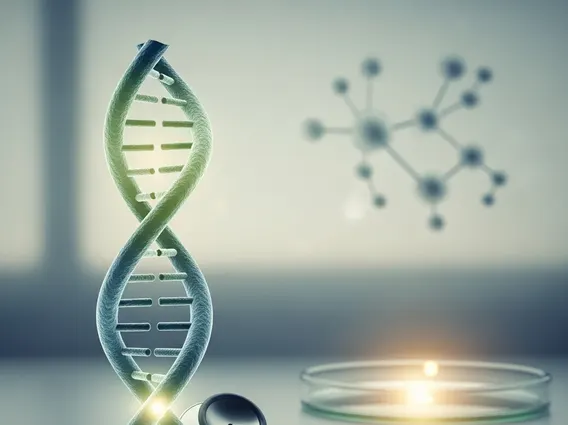
One of the most significant gastric cancer research breakthroughs involves comprehensive genomic profiling. By analyzing the unique genetic mutations and molecular characteristics of individual tumors, researchers can categorize gastric cancers into distinct subtypes. This precision approach allows for the development of highly specific therapies tailored to a patient’s tumor profile, moving away from a one-size-fits-all treatment strategy. According to the World Health Organization (WHO), gastric cancer was the fifth most common cancer globally in 2020, with over 1 million new cases and an estimated 769,000 deaths, underscoring the urgent need for these advancements.
Further gastric cancer latest findings highlight the importance of the tumor microenvironment. Research is revealing how the surrounding cells, blood vessels, and immune components interact with cancer cells, influencing disease progression and response to therapy. Understanding these interactions is crucial for developing strategies to overcome treatment resistance and enhance the efficacy of existing drugs.
Advances in Targeted Therapies
Targeted therapies represent a cornerstone of modern oncology, specifically designed to interfere with cancer cell growth and progression by targeting specific molecules involved in tumor development. In gastric cancer, significant progress has been made with agents that block growth factor receptors, such as HER2. For patients with HER2-positive gastric cancer, drugs like trastuzumab have demonstrated improved outcomes when combined with chemotherapy. Beyond HER2, researchers are investigating inhibitors for other pathways, including FGFR2 and MET, which are implicated in a subset of gastric tumors. These therapies offer a more precise attack on cancer cells while minimizing damage to healthy tissues, often leading to fewer side effects compared to traditional chemotherapy.
Immunotherapy Innovations
Immunotherapy has revolutionized cancer treatment by harnessing the body’s own immune system to fight cancer. For gastric cancer, immune checkpoint inhibitors, particularly those targeting PD-1 and PD-L1, have shown remarkable efficacy in a subset of patients, especially those with advanced disease. These drugs work by blocking proteins that prevent immune cells from recognizing and attacking cancer cells. Clinical trials have demonstrated that certain patients with advanced gastric cancer, particularly those with high PD-L1 expression or microsatellite instability-high (MSI-H) tumors, can experience durable responses to these immunotherapies. Ongoing research is focused on identifying biomarkers to better predict response and exploring combination strategies to extend the benefits of immunotherapy to a broader patient population.
Current Gastric Cancer Clinical Trials
Current gastric cancer clinical trials are the bedrock of progress in oncology, offering patients access to cutting-edge treatments that are not yet widely available. These studies are meticulously designed to evaluate the safety and effectiveness of new drugs, surgical techniques, radiation protocols, and combination therapies. Participating in a clinical trial can provide patients with an opportunity to receive novel treatments, while also contributing vital data that shapes future standards of care.
There are continuous gastric cancer clinical trials updates across all phases of research, from early-stage trials testing new compounds in a small group of patients to large-scale phase III trials comparing new treatments against existing standards. These trials are exploring a wide array of therapeutic strategies, including novel chemotherapy regimens, advanced targeted agents, next-generation immunotherapies, and innovative approaches to surgery and radiation. The goal is always to improve survival rates, enhance quality of life, and reduce treatment-related toxicities.
Patients seeking stomach cancer clinical trials information can consult various resources, including national cancer institutes, university medical centers, and specialized clinical trial databases. These platforms provide detailed eligibility criteria, locations, and contact information for ongoing studies. Engaging with an oncology team knowledgeable about clinical trials is crucial for determining if a trial is a suitable option for an individual’s specific condition.
Types of clinical trials commonly available for gastric cancer include:
- Neoadjuvant Trials: Investigating treatments given before surgery to shrink tumors and improve surgical outcomes.
- Adjuvant Trials: Evaluating therapies administered after surgery to eliminate residual cancer cells and prevent recurrence.
- Metastatic Disease Trials: Focusing on advanced gastric cancer that has spread to other parts of the body, aiming to control disease progression and improve survival.
- Supportive Care Trials: Exploring methods to manage symptoms and side effects of cancer and its treatment, enhancing patient comfort and well-being.
Emerging Treatments for Stomach Cancer
The horizon for new treatments for stomach cancer is bright, with several innovative approaches moving through preclinical and clinical development. These emerging therapies aim to overcome the limitations of current treatments by targeting novel pathways, enhancing drug delivery, or leveraging advanced biotechnologies. The focus is increasingly on personalized medicine, where treatments are tailored to the unique genetic and molecular profile of each patient’s tumor.
Among the most promising advances in gastric cancer treatment are antibody-drug conjugates (ADCs) and cellular therapies. ADCs are sophisticated drugs that combine a potent chemotherapy agent with a monoclonal antibody, which specifically targets proteins found on cancer cells. This allows for precise delivery of the cytotoxic drug directly to the tumor, minimizing systemic toxicity. Cellular therapies, such as CAR T-cell therapy, which involves genetically engineering a patient’s own immune cells to recognize and destroy cancer, are also being explored for gastric cancer, building on their success in hematological malignancies.
Furthermore, research into oncolytic viruses, which selectively infect and destroy cancer cells while sparing healthy ones, represents another exciting frontier. These viruses can also stimulate an anti-tumor immune response, potentially synergizing with immunotherapies. The development of novel small molecules that target previously “undruggable” pathways is also ongoing, offering hope for patients who have exhausted standard treatment options. These innovative strategies collectively represent a significant leap forward in the quest for more effective and less toxic treatments for stomach cancer.
| Treatment Category | Mechanism of Action | Potential Benefits |
|---|---|---|
| Antibody-Drug Conjugates (ADCs) | Targeted delivery of chemotherapy to cancer cells via specific antibodies. | Reduced systemic toxicity, increased drug concentration at tumor site. |
| Cellular Therapies (e.g., CAR T-cells) | Genetically modified immune cells engineered to recognize and kill cancer cells. | Highly specific and potent anti-tumor activity, potential for durable responses. |
| Oncolytic Viruses | Viruses engineered to selectively infect and lyse cancer cells, also stimulating anti-tumor immunity. | Dual mechanism of action (direct cell killing and immune activation), minimal harm to healthy cells. |
| Novel Small Molecule Inhibitors | Drugs targeting specific intracellular pathways crucial for cancer cell survival and proliferation. | Ability to target difficult-to-treat mutations, oral administration for some agents. |
Frequently Asked Questions
What is the significance of personalized medicine in gastric cancer?
Personalized medicine is crucial in gastric cancer because it tailors treatment strategies to the unique molecular and genetic profile of an individual’s tumor. Unlike traditional approaches, which treat all gastric cancers similarly, personalized medicine uses advanced diagnostics to identify specific mutations or biomarkers. This allows oncologists to select therapies, such as targeted drugs or immunotherapies, that are most likely to be effective for a particular patient, minimizing ineffective treatments and their associated side effects. It represents a shift towards more precise, effective, and patient-centric care, improving outcomes for those with specific tumor characteristics.
How can patients access information about gastric cancer clinical trials?
Patients can access comprehensive information about gastric cancer clinical trials through several reliable sources. Key resources include the National Cancer Institute (NCI) website, ClinicalTrials.gov (a database of privately and publicly funded clinical studies worldwide), and reputable cancer centers. These platforms provide details on trial eligibility criteria, locations, and contact information. Additionally, discussing clinical trial options with their oncology team is vital, as they can offer personalized guidance, explain the potential benefits and risks, and help navigate the enrollment process for suitable studies.
What are the main challenges in treating advanced gastric cancer?
Treating advanced gastric cancer presents several significant challenges. Often diagnosed at late stages, the disease may have already spread (metastasized), making complete surgical removal difficult. Tumors can also develop resistance to chemotherapy and targeted therapies over time, limiting treatment effectiveness. The heterogeneity of gastric cancer, meaning different tumors can have varied molecular profiles, further complicates treatment selection. Additionally, patients with advanced disease often experience significant symptoms, such as weight loss and pain, requiring comprehensive supportive care. Overcoming these challenges drives ongoing research into novel and more effective therapeutic strategies.