Partial Breast Irradiation
Partial Breast Irradiation (PBI) is an advanced radiation therapy technique used in the treatment of early-stage breast cancer. This approach offers a targeted alternative to whole breast irradiation for selected patients, focusing treatment on a smaller area.
Key Takeaways
- PBI delivers radiation only to the part of the breast where the tumor was removed, rather than the entire breast.
- It is typically offered to women with early-stage breast cancer after lumpectomy.
- The procedure involves various techniques, including external beam radiation and brachytherapy, often completed in a shorter timeframe than traditional radiation.
- Benefits include shorter treatment courses, convenience, and comparable local control rates to whole breast irradiation.
- Potential side effects are generally mild and localized, though patients should discuss these with their oncology team.
What is Partial Breast Irradiation?
Partial Breast Irradiation (PBI) is a specialized form of radiation therapy designed to treat early-stage breast cancer by delivering radiation only to the specific area of the breast where the tumor was located and removed, along with a small margin of surrounding tissue. Unlike traditional whole breast irradiation, which treats the entire breast, PBI focuses the radiation dose, aiming to minimize exposure to healthy breast tissue, the heart, and lungs. This targeted approach is typically considered for women who have undergone a lumpectomy (breast-conserving surgery) and meet specific criteria regarding tumor size, lymph node status, and other pathological features. The goal is to achieve local tumor control while reducing the overall treatment burden and potential for side effects. According to the World Health Organization (WHO), breast cancer remains the most common cancer globally, and innovative treatments like PBI play a crucial role in enhancing patient outcomes and quality of life for those eligible.
PBI Procedure and Patient Benefits
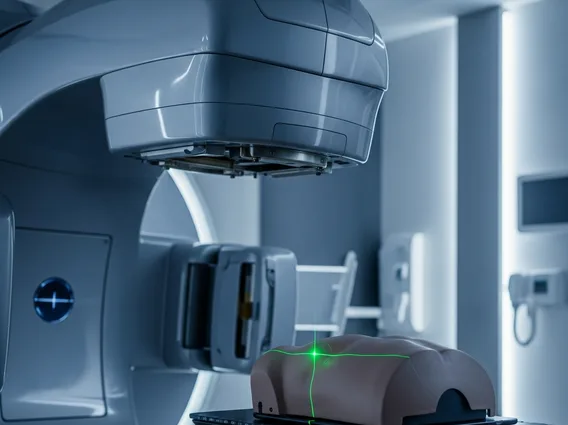
The partial breast irradiation procedure can be delivered through various techniques, each tailored to the patient’s specific needs and tumor characteristics. Common methods include external beam radiation therapy (EBRT), where radiation is delivered from outside the body, and brachytherapy, which involves placing a radioactive source directly inside the breast cavity. Accelerated partial breast irradiation (APBI) protocols often complete treatment in a significantly shorter timeframe, typically one to two weeks, compared to the conventional four to six weeks for whole breast irradiation. This condensed schedule is a major advantage for many patients.
The partial breast irradiation benefits are substantial, particularly in terms of convenience and quality of life. Patients undergoing PBI often experience:
- Shorter Treatment Duration: The most significant benefit is the reduced treatment time, allowing patients to return to their normal routines much faster.
- Targeted Radiation: Less healthy tissue is exposed to radiation, potentially reducing the risk of long-term side effects on the heart, lungs, and the remaining breast tissue.
- Comparable Efficacy: Studies have shown that for carefully selected patients, PBI offers local recurrence rates comparable to those achieved with whole breast irradiation.
- Improved Accessibility: The shorter course can make radiation therapy more accessible for patients who live far from treatment centers or have difficulty committing to a longer daily treatment schedule.
Potential Side Effects of PBI
While PBI aims to reduce overall side effects due to its targeted nature, patients may still experience some localized reactions. Understanding the partial breast irradiation side effects is crucial for managing expectations and ensuring proper care. Most side effects are temporary and manageable.
Common side effects often include redness, dryness, itching, or darkening of the skin in the treated area, similar to a sunburn. These usually resolve within a few weeks after treatment. The treated breast may also appear swollen or feel firmer than usual, which can be temporary or, in some cases, persist for several months. While generally less severe than with whole breast irradiation, some patients may experience mild to moderate fatigue. Localized pain or tenderness in the treated area is also possible.
Less common, but potential, side effects can include changes in breast shape or size, telangiectasias (small dilated blood vessels on the skin), or, rarely, infection at the brachytherapy site. It is important for patients to discuss any concerns or symptoms with their oncology team, as many side effects can be effectively managed with appropriate care.