Biliary Tract
The biliary tract is a vital network of organs and ducts that plays a crucial role in digestion and waste elimination. Understanding what is the biliary tract involves exploring its anatomy, functions, and the various conditions that can affect its operation.
Key Takeaways
- The biliary tract is a system of ducts and organs, including the liver, gallbladder, and bile ducts, responsible for producing, storing, and transporting bile.
- Bile is essential for the digestion and absorption of fats and fat-soluble vitamins in the small intestine.
- It also facilitates the excretion of waste products, such as bilirubin and cholesterol, from the body.
- Common diseases of biliary tract include gallstones, inflammation (cholecystitis, cholangitis), and blockages, which can cause significant digestive and systemic issues.
- Symptoms often include abdominal pain, jaundice, and nausea, requiring medical diagnosis and treatment.
What is the Biliary Tract?
The biliary tract, also known as the biliary system, is a complex network within the body responsible for the production, storage, and transportation of bile. To fully grasp what is Biliary Tract, it’s essential to understand its components and their interconnected functions, which are critical for digestive health and detoxification.
Anatomy of the Biliary System
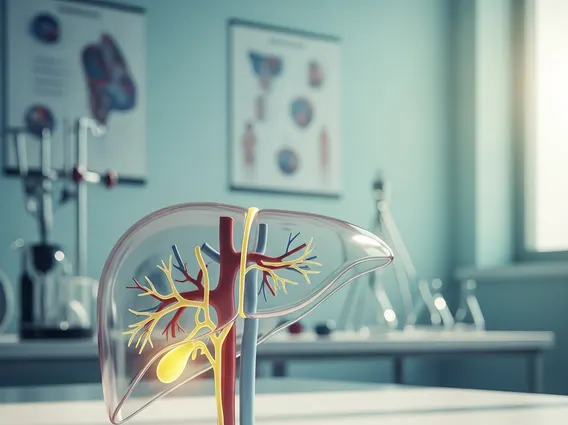
The biliary system explained involves several key organs and ducts that work in concert. Bile is produced in the liver, then travels through a series of ducts. These include the hepatic ducts, which merge to form the common hepatic duct. The gallbladder, a small organ located beneath the liver, stores and concentrates bile. A duct called the cystic duct connects the gallbladder to the common hepatic duct, forming the common bile duct. This common bile duct then joins with the pancreatic duct before emptying into the duodenum, the first part of the small intestine. This intricate arrangement ensures the precise delivery of bile where and when it’s needed.
Function of the Biliary Tract
The primary biliary tract function and anatomy are centered around bile. Bile is a digestive fluid that serves two main purposes. First, it aids in the digestion and absorption of fats and fat-soluble vitamins (A, D, E, K) in the small intestine. It emulsifies fats, breaking them down into smaller particles that can be more easily processed by digestive enzymes. Second, bile acts as a vehicle for the excretion of waste products from the body, including bilirubin (a byproduct of red blood cell breakdown) and excess cholesterol. Without a properly functioning biliary tract, these processes are severely impaired, leading to digestive issues and the accumulation of toxins.
Common Biliary Tract Diseases
A variety of conditions can affect the biliary tract, leading to significant health problems. These disorders often arise from blockages, inflammation, or structural abnormalities within the system, disrupting its critical digestive and excretory roles.
Types of Biliary Disorders
Among the common diseases of biliary tract, gallstones (cholelithiasis) are perhaps the most prevalent, affecting approximately 10-15% of adults in developed countries, though prevalence varies by demographic factors. Gallstones are hardened deposits of digestive fluid that can form in the gallbladder. When these stones block the bile ducts, they can lead to:
- Cholecystitis: Inflammation of the gallbladder, often caused by a gallstone blocking the cystic duct.
- Cholangitis: Inflammation of the bile ducts, usually due to a bacterial infection that can be triggered by a blockage.
- Biliary Strictures: Narrowing of the bile ducts, which can be caused by injury, inflammation, or tumors, impeding bile flow.
- Biliary Cancers: Rare but aggressive cancers that can originate in the gallbladder or bile ducts, such as cholangiocarcinoma.
Symptoms and Diagnosis
Symptoms of biliary tract diseases can vary depending on the specific condition but often include pain in the upper right abdomen, which may radiate to the back or shoulder. Other common signs include nausea, vomiting, fever, chills, and jaundice (yellowing of the skin and eyes) due to bilirubin buildup. Diagnosis typically involves a combination of methods. Blood tests can check for elevated liver enzymes and bilirubin levels, indicating bile flow obstruction or liver damage. Imaging techniques such as ultrasound, computed tomography (CT) scans, magnetic resonance imaging (MRI), and endoscopic retrograde cholangiopancreatography (ERCP) are crucial for visualizing the bile ducts and identifying stones, strictures, or tumors. Early and accurate diagnosis is essential for effective management and preventing serious complications.