Auricular
The term “auricular” pertains to anything related to the ear, a sophisticated sensory organ essential for both hearing and maintaining balance. This article explores the anatomical significance of the ear, common nerve-related discomforts that can arise, and the therapeutic applications associated with it.
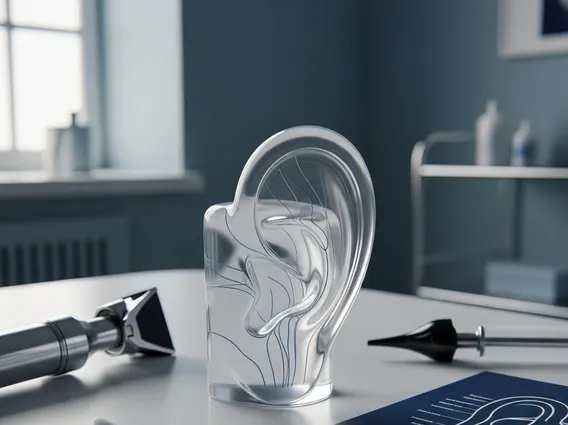
Key Takeaways
- Auricular refers to the ear, encompassing its intricate anatomy and vital functions in hearing and balance.
- Auricular nerve pain symptoms can vary widely, often indicating issues with specific nerve branches supplying the ear and surrounding areas.
- Auricular acupuncture benefits include potential relief for various conditions, making it a recognized complementary therapy.
What is Auricular: Anatomy and Function
To understand what is Auricular, one must first recognize its primary association with the ear. In a medical and anatomical context, what is auricular in anatomy specifically refers to the external ear, also known as the auricle or pinna. This visible part of the ear is primarily composed of elastic cartilage covered by skin, featuring distinct folds and curves such as the helix, antihelix, tragus, and concha. Its unique shape is not merely aesthetic; it plays a crucial role in collecting sound waves and directing them into the ear canal, enhancing our ability to hear.
The auricular meaning and function extend beyond simple sound collection. The auricle helps in sound localization, allowing us to discern the direction from which sounds originate. It also offers a degree of protection to the delicate structures of the inner ear. The external ear receives its sensory innervation from several nerves, including the great auricular nerve, auriculotemporal nerve, and branches of the facial and vagus nerves. This complex innervation network is vital for sensation but can also be a source of discomfort when irritated or damaged.
Auricular Nerve Pain Symptoms
When discussing auricular nerve pain symptoms, it’s important to understand that discomfort can arise from various nerve branches supplying the ear and its vicinity. Pain can manifest as sharp, burning, or shooting sensations around the ear, often radiating to the jaw, temple, or neck. Numbness, tingling, or a persistent ache are also common complaints. Conditions such as great auricular neuralgia, which affects the great auricular nerve, can cause pain behind the ear and along the angle of the jaw. Auriculotemporal neuralgia, involving the auriculotemporal nerve, typically presents with pain in front of the ear, often extending to the temple and scalp, sometimes accompanied by sweating or flushing in the affected area.
Causes of auricular nerve pain can include trauma, inflammation, nerve compression (e.g., from tumors or surgical procedures), or even temporomandibular joint (TMJ) disorders. While specific statistics for isolated auricular nerve pain are limited, related conditions like trigeminal neuralgia, which can affect branches supplying the ear, are estimated to affect approximately 4 to 13 people per 100,000 annually, according to the National Institute of Neurological Disorders and Stroke (NINDS). Early diagnosis and treatment are crucial to manage symptoms and prevent chronic discomfort.
Auricular Acupuncture Benefits
Auricular acupuncture benefits stem from its practice as a form of traditional Chinese medicine where specific points on the external ear are stimulated. This therapy is based on the premise that the ear is a microsystem of the entire body, with each point corresponding to a specific organ or body part. Stimulation, typically through fine needles, can purportedly send signals to the brain to alleviate various ailments. The World Health Organization (WHO) has acknowledged auricular acupuncture as a complementary therapy for various conditions, including pain management and substance abuse.
Potential benefits reported by individuals and studies include relief from chronic pain, such as migraines and lower back pain, reduction of stress and anxiety, and support in treating addictions (e.g., smoking cessation) and weight management. For instance, a meta-analysis published in *Evidence-Based Complementary and Alternative Medicine* (2017) indicated that auricular acupuncture could be effective in reducing chronic pain intensity. While many find relief through this method, it is important to remember that auricular acupuncture is a complementary therapy and should not replace conventional medical treatment for any health condition.